Why Professional Engineering Matters in Fire Escape Design
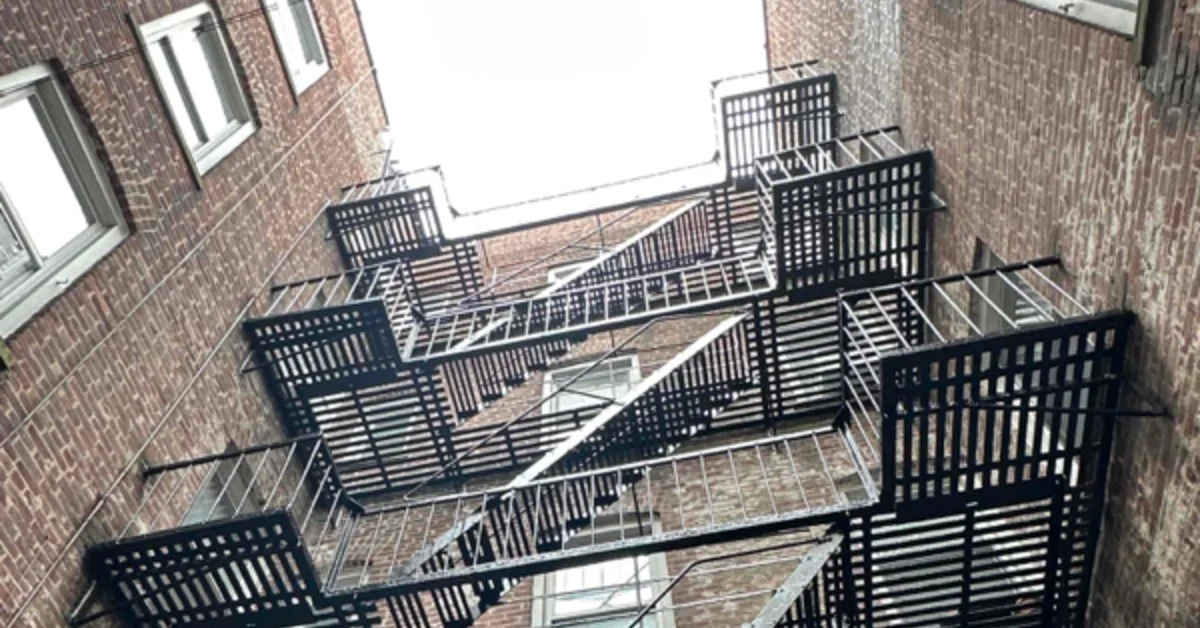
Fire escapes carry a serious responsibility. They provide an emergency exit route for occupants and must withstand years of weathering, corrosion, structural stress, and inspection requirements. A fire escape may sit outside the building, but it still functions as part of the building’s life safety system.
That’s why professional engineering matters in fire escape design and should guide every major decision related to inspection, repair, and construction. A safe fire escape depends on more than the visible steel. It depends on how platforms, stairs, railings, brackets, welds, and building connections work together.
For building owners and property managers, professional engineering makes the entire process easier to understand. It connects the design, inspection, repair plan, and documentation, so hidden structural concerns don’t get overlooked.
Each part of that process plays a role in safer fire escapes, better repair decisions, and a smoother path through inspection requirements.
Fire Escape Design Begins With Structural Function
A fire escape has to carry weight safely and transfer that weight back into the building. Each platform, stair section, railing, and support bracket plays a role in that process. When one part weakens, the rest of the system may carry stress in ways that create new safety concerns.
Professional engineering looks at how the entire structure functions. That includes the steel condition, welded joints, attachment points, stair assemblies, and platform framing. A surface-level repair may improve appearance, but it won’t solve a deeper structural issue.
Many fire escapes have served buildings for decades. Age, moisture, temperature changes, and past repairs can all affect performance. A detailed review helps owners understand what the structure needs today, not what it appeared to need years ago.
Why Guesswork Creates Problems
Fire escape repairs should never start with assumptions. Guesswork can lead to repairs that miss the source of the problem, often resulting in repeat violations, failed inspections, and higher long-term costs.
A rusted section may indicate deeper corrosion beneath a platform. A loose railing may trace back to a weakened weld or connection. Movement in a stair section may signal stress at a nearby connection. Without a professional review, those details can go unnoticed.
Engineering helps separate cosmetic concerns from structural concerns. That distinction matters because fire escape safety depends on strength, stability, and proper load transfer. A repair that only addresses what someone can see from the ground may leave the actual risk in place.
Common Structural Concerns in Fire Escape Design
Fire escapes are constantly exposed to weather and wear. Over time, that exposure can affect the steel and the connections that hold the system together.
Common concerns include:
Corrosion at support brackets
Loose bolts
Weak or cracked welds
Platform frame deterioration
Stair section movement
Railing instability
Stress near building attachment points
Prior repairs that no longer support the system properly
These problems often develop slowly. Likewise, Building owners may not notice them during routine property checks because many affected areas sit under platforms, behind joints, or along welded seams. Professional review helps bring hidden concerns to light before they become larger issues.
Code Awareness Supports Better Decisions
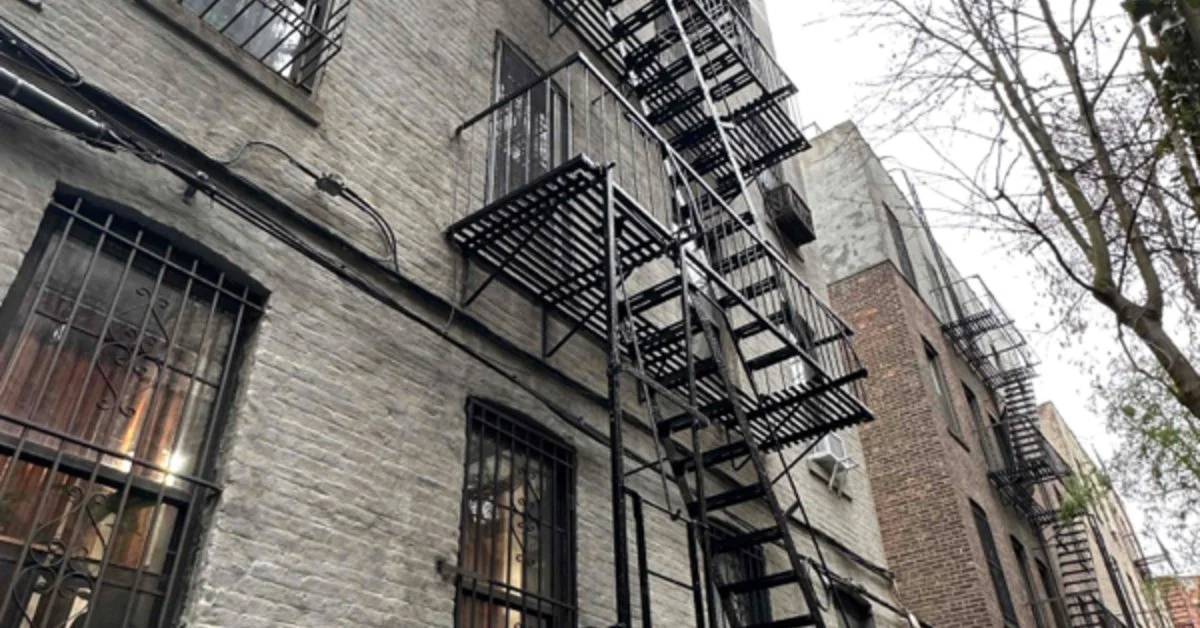
Fire escape design and repair planning need to account for inspection and certification requirements. The International Fire Code requires fire escape examination and certification every five years. That requirement gives owners a clear reason to document their system's condition and address concerns before they result in violations.
A professional engineering review can support that process by connecting inspection findings with a clear repair scope. When owners receive a violation notice, they often need more than a quick fix. They need accurate findings, a practical path forward, and repair documentation that helps satisfy the inspection process.
Code awareness also reduces confusion. Property owners, inspectors, repair teams, and building officials can work more efficiently when everyone has clear information.
Why Professional Engineering Matters During Repairs
Repairs need to solve the structural issue, not only improve the way the fire escape looks. That’s one reason why professional engineering matters in fire escape design during repair planning.
A professional evaluation identifies areas needing reinforcement, welds requiring attention, and sections that affect the stability of nearby components. This helps crews focus on load-bearing parts to protect occupants. Good repair planning prevents unnecessary work by targeting only the areas that need repair, avoiding repairs based on broad assumptions.
Welding Quality Depends on the Right Plan
Fire escapes rely heavily on welded steel connections. Platforms, stairs, railings, brackets, and supports need strong welds to function as a stable system. When welds weaken or separate, movement can develop across the structure.
A clear repair plan helps welders reinforce the right areas and prevents repairs that look clean but fail structurally. Good welding starts with understanding fire escape weaknesses and how repairs support the steel.
Maximum Fire Escape emphasizes inspection, construction, and welded repairs because fire escapes need structural work by teams familiar with aging systems and repair needs.
Better Planning Can Reduce Rework
Property owners lose time and money when a repair fails to address the source of a violation. Incomplete planning can lead to repeated inspections, extra visits, and unresolved safety concerns.
Professional engineering helps reduce that risk by defining the scope of the repair before work begins. Owners gain a clearer view of what needs attention, why it matters, and how the repair supports the overall structure.
That clarity also helps property managers coordinate access, communicate with tenants, budget for work, and respond to inspection deadlines. Fire escape projects often involve several moving parts, and a well-defined plan helps keep those steps organized.
Coordinated Fire Escape Services Make the Process Easier
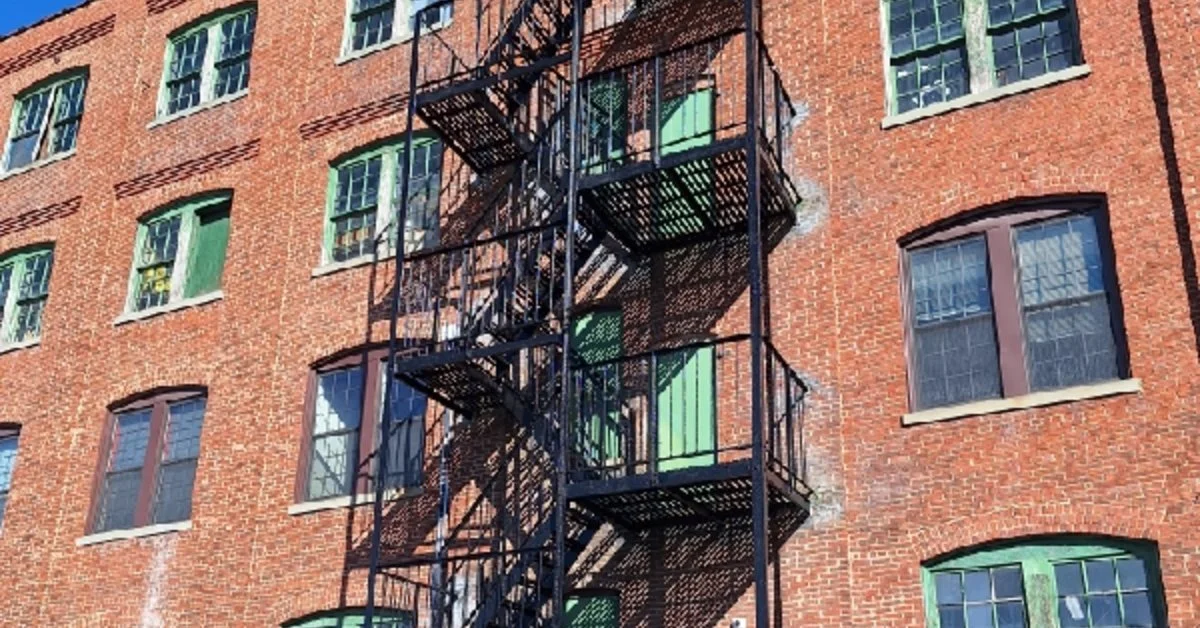
Fire escape projects often involve inspection, repair planning, welding, documentation, and communication with the proper parties. When those steps happen separately, the process can become harder for owners to manage.
Coordinated fire escape services help connect each stage of the project. A team that understands the structure from the first evaluation through the final repair can help reduce delays and confusion -- owners get a more direct path from problem identification to completed work.
This matters most when a violation creates a deadline. Property owners need a process that gives them clear answers without unnecessary back-and-forth.
Professional Guidance Helps Owners Understand Risk
Many fire escape issues develop out of sight: corrosion can spread beneath platforms; welds can weaken at connection points; brackets can experience stress over time. A fire escape may appear stable from the street while hidden issues continue to progress and worsen the condition of the fire escape.
Professional guidance helps owners understand the level of risk and the next steps to address those risks. That may include immediate welding repairs, further evaluation, or scheduled maintenance planning. Clear findings help owners make informed decisions without having to interpret structural problems on their own.
Strong Fire Escape Design Supports Safer Buildings
A fire escape needs to perform when occupants have no other safe route out. Professional engineering supports that outcome by giving each part of the system proper attention, from welded joints to platform framing to building connections.
Strong design and repair planning help owners protect occupants, address violations, and maintain safer emergency exits. They also help keep older fire escapes functional as buildings continue to age.
Maximum Fire Escape helps building owners and property managers inspect, repair, and construct fire escape systems with skilled welding and clear project guidance. For buildings with violations, aging steel, or upcoming certification needs, a professional evaluation can provide the direction needed to move forward with confidence.