Comparing Cosmetic and Structural Fire Escape Repairs
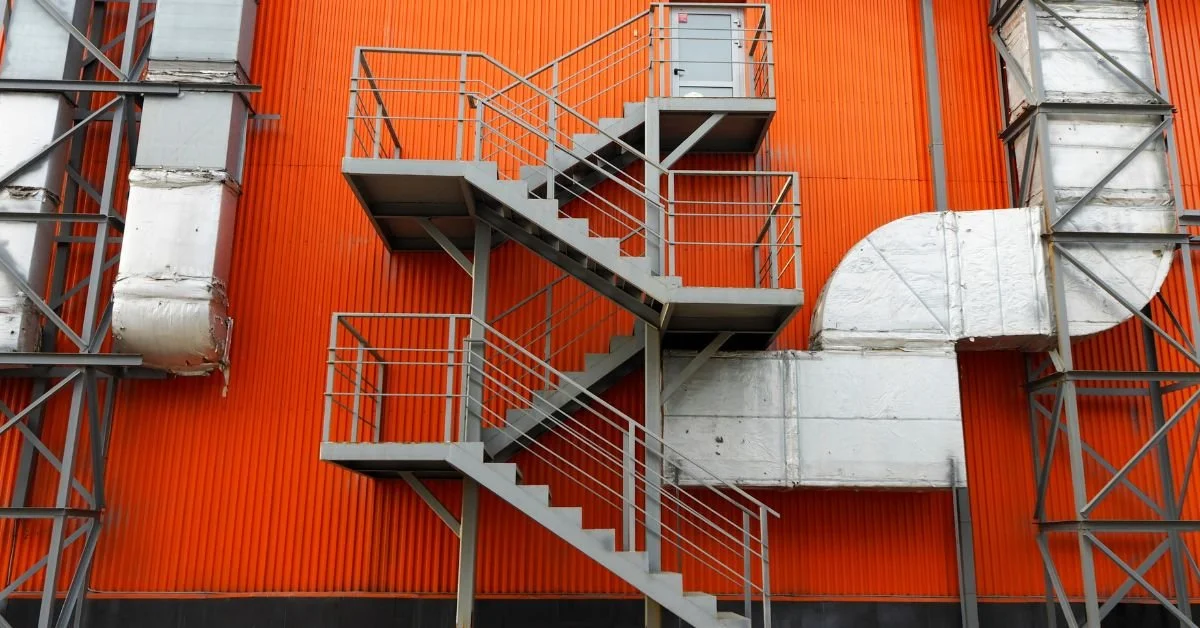
Fire escapes age in ways that property owners may notice long before an inspection takes place. Rust stains, chipped paint, and worn finishes draw attention right away, while deeper structural concerns may stay hidden around brackets, welds, platforms, and stair connections.
The difference regarding repairs and appearance issues matters because surface-level concerns and structural defects require different levels of evaluation, repair planning, and professional attention. Comparing cosmetic and structural fire escape repairs helps building owners understand which issues affect appearance and which conditions may also affect safe use.
Many property owners wait to first call for help after a violation, an inspection notice, or visible deterioration. At that point, the goal should reach beyond making the fire escape look better. A qualified team needs to determine where the system has surface wear, where corrosion has compromised metal strength, and where welding is required to restore stability.
Why the Difference Matters
A fire escape has two jobs: it must remain accessible during an emergency, and it must maintain enough structural strength to support safe movement. Cosmetic issues may make the system look neglected, yet structural issues affect how the system performs under stress.
Property owners need clear answers because the wrong repair path may waste money or leave deeper problems unresolved.
Appearance Does Not Always Show Risk
Cosmetic work focuses on appearance and surface protection. Structural work focuses on load-bearing parts, welded connections, attachment points, stairs, railings, and platforms. Both categories matter, although they do not carry the same level of urgency.
A property owner who treats structural deterioration like a paint issue may face repeat violations, failed certification, or rising repair needs. Therefore, the first step should involve a close inspection from a team that understands fire escape construction and repair requirements.
What Counts as Cosmetic Fire Escape Damage?
Cosmetic damage affects how the fire escape looks and how the surface presents to tenants, inspectors, and property managers. These issues usually appear on exposed metal because weather, moisture, and age affect the finish over time.
Common cosmetic concerns include:
Faded or chipped paint
Light surface rust
Staining on exposed metal
Minor finish wear on rails or platforms
Peeling paint around high-exposure areas
What Counts as Structural Fire Escape Damage?
Structural damage affects the parts that support weight, hold sections together, or connect the system to the building. These concerns require more than a surface-level treatment because they involve the fire escape’s strength, stability, and long-term functionality.
Structural problems may involve welded joints, support brackets, stair stringers, platform frames, rail connections, and anchoring points. Corrosion can also move beyond the surface and weaken the metal itself. When that happens, paint or patchwork will not solve the problem.
Structural fire escape concerns may include:
Cracked or failing welds
Corroded platform framing
Loose or weakened railings
Damaged stair connections
Deteriorated support brackets
Movement at attachment points
Structural Problems Require Skilled Repair
AWS-certified welders typically address these conditions through welding, reinforcement, and related repair work. Because fire escapes usually qualify as older, pre-existing systems, repair teams need experience with aging metal structures and inspection requirements rather than generic exterior maintenance.
Why Cosmetic Work Should Follow Structural Review
Property owners might prioritize paint or surface improvements since they stand out from the street. However, cosmetic work should come after a structural review to prevent paying for appearance upgrades before identifying underlying issues.
Painting over corrosion without checking the condition can hide active deterioration, causing inspectors to flag concerns and increasing repair costs as damage worsens.
A structural review gives the repair team a clear plan. The team can identify which areas need welding, reinforcement, or component repair before surface treatment begins. After that, cosmetic improvements support the finished repair rather than mask the problem.
That order also helps property managers communicate with tenants and ownership teams. Instead of guessing, they can explain that trained technicians reviewed the system, addressed structural concerns, and handled surface protection where needed.
How Inspections Clarify the Repair Category
Fire escape inspections help separate cosmetic concerns from structural defects. A professional evaluation looks at the full system rather than the most visible areas. Inspectors review connection points, stair assemblies, platform frames, railings, weld seams, and signs of corrosion.
The International Fire Code requires fire escape examination and certification every five years. Because of that requirement, property owners should treat inspections as part of responsible building management rather than a last-minute response to a violation.
Hidden Areas Can Change the Repair Scope
During an inspection, technicians look for patterns that a casual walkaround may miss. A rusty railing may look like a cosmetic issue, while the weld at its base may reveal a structural problem. A platform may look solid from above, while the framing beneath may show signs of deterioration.
Clear inspection findings help owners decide what kind of work comes next. When the issue stays at the surface, cosmetic treatment may address it. When the issue affects support, attachment, or stability, structural repairs should take priority.
Why Welding Matters in Structural Repairs
Fire escapes depend on metal connections for platforms, stairs, railings, and supports. Over time, weather, age, corrosion, and movement can weaken these connections. Cracked or weakened welds need skilled repairs by trained welders. Structural welding enhances both appearance and connection strength, providing reliable support.
Maximum Fire Escapes works with AWS-certified welders and handles repairs, inspections, and construction for properties nationwide. That experience matters when owners need a single team that can identify the problem, explain the scope of the repair, and complete the work efficiently.
Scope Matters More Than Surface Appearance
A smaller cosmetic concern may cost less than a structural repair, although price should not be the sole driver of the decision. The system's condition should guide the scope. If an inspection identifies structural deterioration, delaying repairs may lead to more expensive work later.
Owners should also avoid comparing quotes that cover different scopes. One contractor may price paint only, while another includes inspection support, welding, and surface protection after structural work. Clear scope details help property owners understand what they will receive.
When Property Owners Should Schedule Service
Property owners should schedule service upon noticing rust, damaged paint, loose railings, shifting stairs, or platform deterioration, or following an inspector's or local authority's advice. Early evaluation allows better repair planning and prevents last-minute scheduling. It's wise to call before a five-year certification deadline, as delaying may leave little time for repairs if damage is found.
Planning gives the repair team time to assess, quote, and finish the work promptly. Owners should also consider getting an inspection if a fire escape looks stable but hasn't been checked in years.
Many issues start in hidden areas, especially under platforms and near connections, which a trained inspector can identify early.
Choosing the Right Repair Path for Your Fire Escape
Comparing cosmetic and structural fire escape repairs helps property owners more clearly evaluate what their building needs. The right path starts with a professional inspection, followed by repair work that matches the system's actual condition.
Maximum Fire Escapes helps property owners address violations, inspection needs, construction concerns, and fire escape repair with skilled AWS-certified welders and a start-to-finish process. Likewise, when dealing with newer fire escapes or fire escapes already in a structurally safe condition, Maximum Fire Escapes also provides painting services to keep that fire escape cosmetically appealing. Contact the team at Maximum Fire Escapes today to schedule an evaluation and get clear guidance for your fire escape.