Residential vs. Commercial Building Fire Escape Inspections
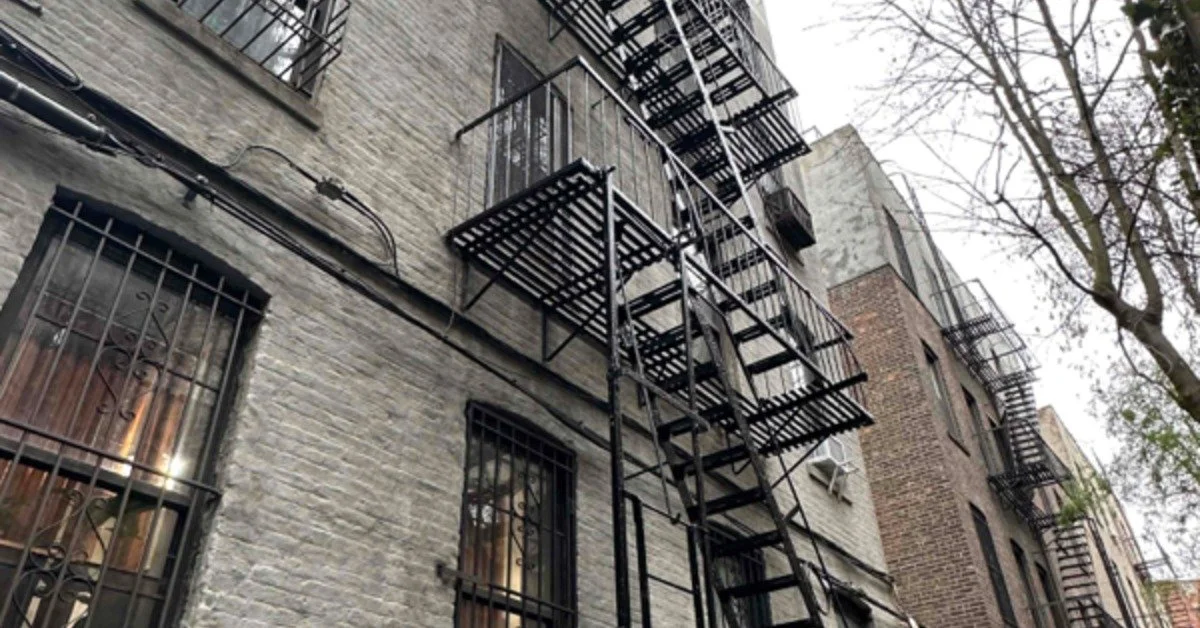
Residential and commercial building fire escape inspections help owners understand the true condition of an exterior escape system before violations, repairs, or certification deadlines create bigger issues. The inspection process may look similar at first, but residential and commercial buildings usually require different planning, access coordination, and documentation.
A smaller apartment building may have a single rear fire escape serving a few units. A commercial building may have several levels, tenant spaces, service areas, or shared exits that all need to be reviewed. Both property types still need the same level of attention because fire escapes must remain safe, stable, and ready for emergency use.
Maximum Fire Escapes works with building owners, homeowners, property managers, and real estate teams nationwide. Our AWS-certified welders handle inspections, repairs, and construction with a clear start-to-finish process.
Why Fire Escape Inspections Matter
Fire escapes sit outside year after year. Rain, snow, temperature changes, and age can all affect metal components. Over time, corrosion may form around platforms, stairs, railings, bolts, welded areas, and support points.
Many fire escape problems aren’t visible from the ground. A system may look steady while hidden rust, weak welds, or shifting connections continue to develop. A professional inspection helps owners identify these concerns before they lead to safety or compliance issues.
The International Fire Code requires fire escape examination and certification every five years. Since many fire escapes are pre-existing non-conforming systems, inspectors should review the current structure for safety and certification requirements rather than judging it by modern construction standards.
How Residential Fire Escape Inspections Work
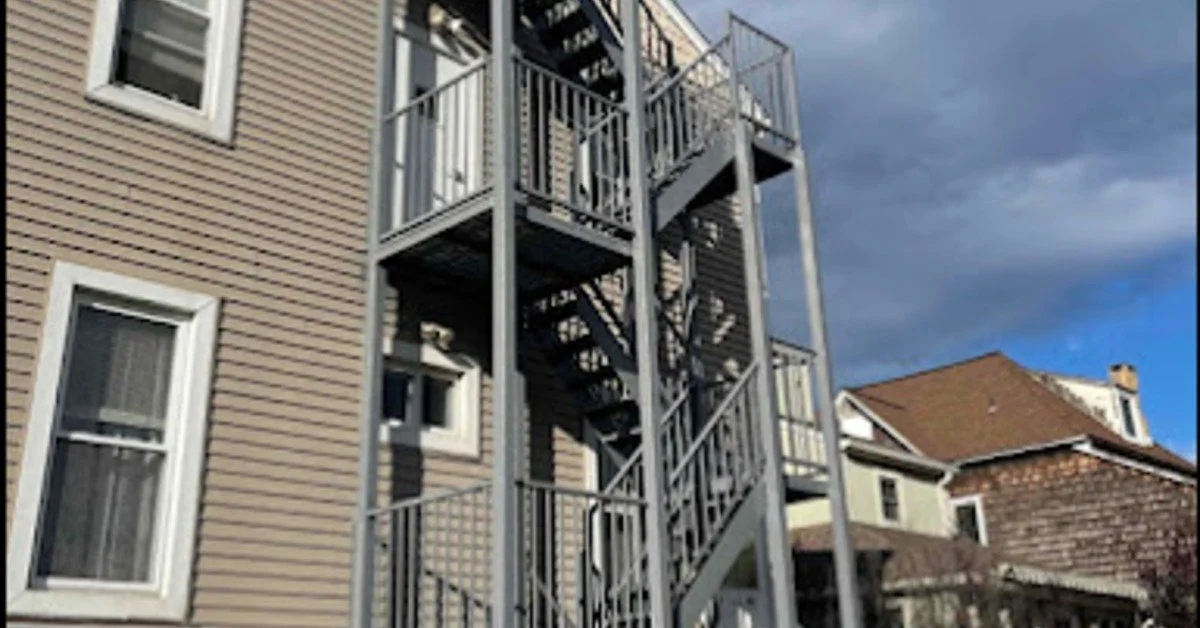
Residential inspections usually involve apartment buildings, multifamily homes, mixed-use properties, or older buildings with rear fire escapes. These inspections focus on occupant safety and the condition of the metal structure that supports emergency exit access.
Inspectors review how the fire escape connects to the building, how the stairs and platforms support weight, and where corrosion has begun to affect the system. They also look for movement in railings, sagging sections, and damaged bolted or welded areas.
Residential owners may request an inspection after receiving a violation notice, when preparing to sell a property, or upon noticing visible rust. Property managers may also schedule one before a certification deadline or after a tenant reports movement, noise, or damage.
A proper inspection gives owners clear direction. Instead of guessing which parts need work, they receive a better understanding of the system’s condition and the repair path ahead.
How Commercial Fire Escape Inspections Differ
Commercial fire escape inspections may involve offices, retail buildings, warehouses, industrial spaces, or large mixed-use properties. These buildings may have larger systems, more access points, and busier schedules.
Commercial owners also need to consider tenant coordination. Inspectors may need access near loading areas, service doors, shared exits, or rear alleys. Property managers may need to plan around business hours so the inspection doesn’t interfere with daily operations.
Larger commercial systems can include multiple platforms, stair runs, and attachment points. Inspectors need enough time and access to review the full structure. Missing one section can leave owners without a clear picture of the fire escape’s condition.
Commercial properties also tend to require more documentation. Owners may need records for property management files, insurance requests, violation responses, or certification tracking.
What Inspectors Look For During an Inspection
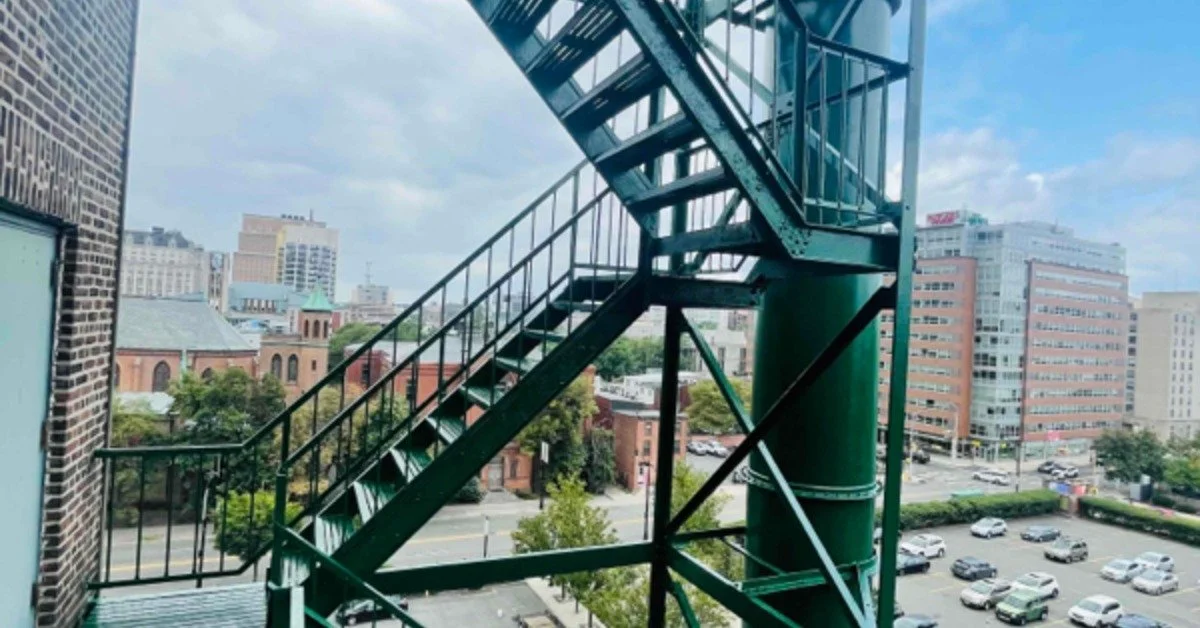
Every fire escape inspection should focus on the structure as a connected system. Inspectors don’t look at surface rust alone. They review how each part supports the next.
Common inspection concerns include:
Weak or cracked welds
Loose or missing bolts
Rust around connection points
Loose or unstable railings
Damaged stairs or platforms
Movement at building attachment points
Sagging sections
Metal deterioration beneath walking surfaces
Paint condition may matter if rust has begun to affect the metal beneath. However, paint won’t fix structural weakness. A fire escape with compromised welds, unstable railings, or weakened supports needs repair before surface work makes sense.
Why Welding Quality Matters
Fire escapes depend on strong, welded connections. Stairs, platforms, railings, brackets, and support points all rely on metal connections that hold the system together.
When welds weaken, the fire escape may shift under weight or lose stability in certain sections. Small cracks may also spread if owners delay repairs. That’s why inspections should identify welding concerns early.
Maximum Fire Escapes uses specially trained welders for structural repair work. Our team focuses on welding repairs that restore strength and help owners resolve violations with clear documentation.
Documentation Needs for Each Property Type
Residential and commercial owners both need clear inspection records. Documentation helps explain what the inspector found, what repairs may need attention, and what steps support certification.
Residential owners may need records for a local requirement, an insurance request, a sale, or a violation response. Commercial owners may need records for tenant files, property management teams, or broader compliance tracking.
Clear documentation helps everyone involved understand the same facts. It also gives repair crews a stronger starting point when the fire escape needs welding or structural work.
Why Violations Need Prompt Attention
A fire escape violation means an inspector or other authority found an issue that needs a response. Owners shouldn’t ignore any violations or notices, even if the system still looks stable during daily use.
Violations may involve missing certification, corrosion, weakened connections, damaged platforms, or other unsafe conditions. An inspection helps identify the source of the problem and gives the owner a repair plan.
Delaying a response to a violation can make the process more stressful – and more costly as it may also allow structural problems to get worse. Quick inspection and repair planning help owners move toward compliance with less confusion.
Choosing the Right Fire Escape Inspection Team
A fire escape inspection requires more than a quick visual review. The right team understands aging metal systems, structural welding, inspection documentation, and ways to correct violations.
Owners should look for a company that can inspect the system, clearly explain the findings, and complete repairs when needed. That start-to-finish support saves time because owners don’t have to coordinate several different companies. Maximum Fire Escapes provides all of these services.
Maximum Fire Escapes provides fire escape inspection services for residential and commercial buildings nationwide. Our team identifies structural concerns, explains repair needs, and handles welding repairs with trained professionals.
What Owners Should Do Before an Inspection
A little preparation can help the inspection move smoothly. Owners should gather past inspection reports, repair records, and any current violation notices before the appointment.
Access also matters. Residential properties may need entry to rear yards, shared spaces, or tenant areas. Commercial properties may need to schedule around loading zones, business hours, or tenant operations.
Better access helps inspectors review the full structure. It also helps owners receive a more accurate report.
Why the Right Inspection Team Matters
The difference between residential versus commercial building fire escape inspections comes down to property use, system size, access needs, and documentation. Still, both property types need careful review from professionals who understand fire escape systems.
A proper inspection helps owners find corrosion, weak welds, railing movement, platform issues, and attachment concerns before bigger problems develop. It also supports certification, violation responses, and repair planning.
Maximum Fire Escapes handles fire escape inspections, repairs, and construction nationwide with AWS-certified welders who complete projects efficiently and thoroughly. Contact Maximum Fire Escapes today to schedule an inspection and get clear guidance for your building’s fire escape system.