
Hidden Structural Weak Points in Aging Fire Escapes
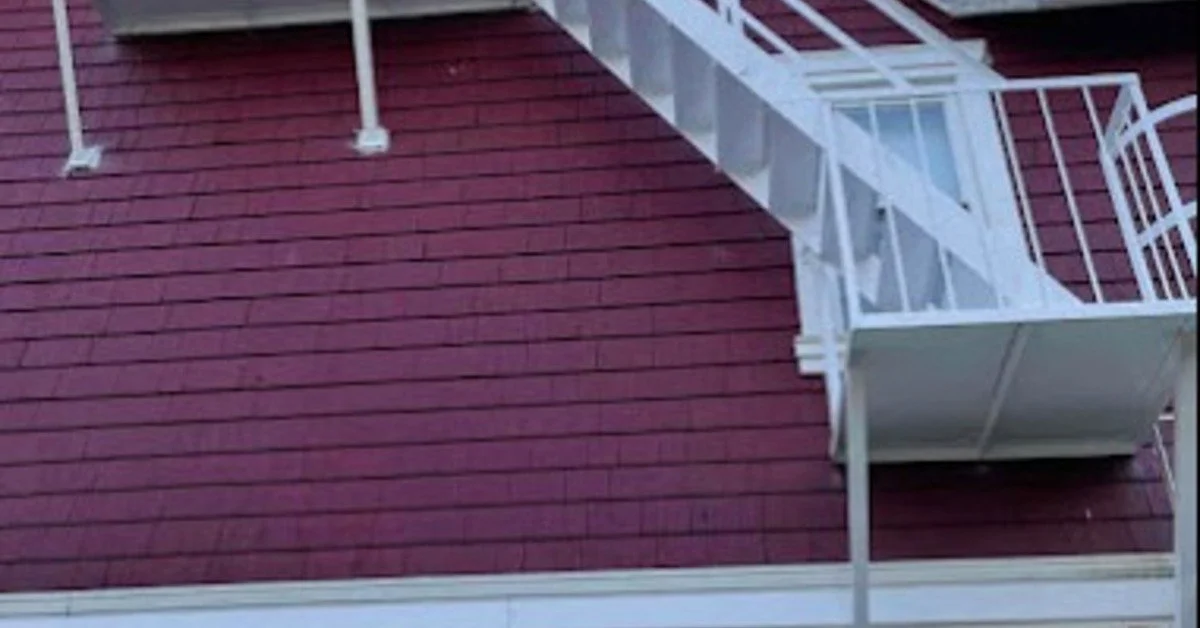
Fire escapes age in ways property owners don’t always notice right away. From the sidewalk, a system may look steady enough. However, up close, worn welds, hidden corrosion, and weakened platform framing can tell a different story. Knowing how to spot hidden structural weak points in aging fire escapes helps building owners make smarter decisions before small concerns turn into violations and dangerous conditions.
Fire escapes are outside structures, many of which are decades old. Rain, snow, temperature changes, and building movement all place stress on metal connections. A quick look from the ground won’t show what’s happening under platforms or around bolted seams. That’s why an inspection by a trained professional matters when a fire escape starts to show its age.
Why Older Fire Escapes Need Careful Review
Aging fire escapes don’t always fail in obvious ways. A railing may feel firm during a quick check, while corrosion spreads around its base. A platform may look flat from above, while the supporting frame beneath has begun to corrode and weaken.
Property owners often notice rust first, but rust doesn’t tell the whole story. Some of the most serious concerns develop in hard-to-see areas where water settles. Those areas can include stair connections, support brackets, welded joints, and the underside of landings.
A trained inspection gives owners a clearer view of the system’s condition. It can also help separate surface wear from structural concerns that need repair.
Corrosion Around Seams and Brackets
Corrosion ranks among the most common issues in older fire escapes. It often starts near seams, brackets, and other areas where metal pieces meet. Water can sit in those small gaps longer than it sits on open surfaces.
As corrosion spreads, it can weaken the metal around important connections. A bracket may still appear attached, but the surrounding metal may no longer provide the same strength. That kind of damage can create risk during emergency use.
Owners shouldn’t ignore rust around connection points. Even a small area of corrosion can point to a deeper issue nearby.
Weak Welds and Cracked Connections
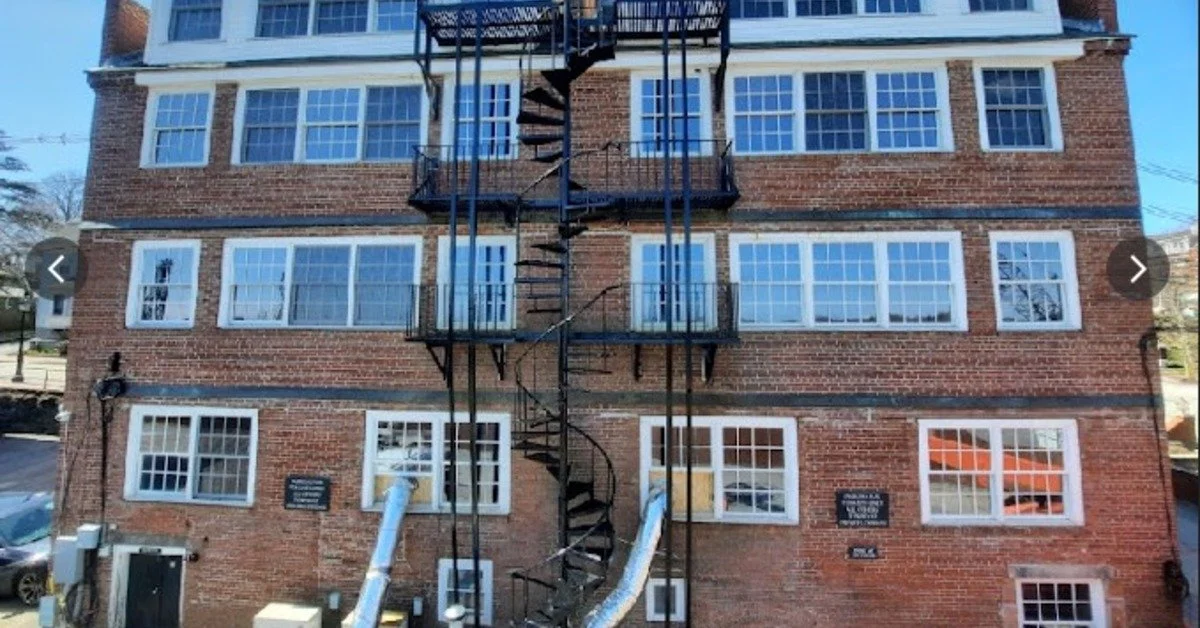
Fire escapes rely on welded connections to hold stairs, railings, platforms, and brackets in place. Over time, those welds can crack due to stress, movement, and exposure to weather. Once a weld weakens, nearby sections may carry extra strain.
Cracked welds don’t always stand out. They may sit under a landing or near a stair section where daily checks won’t catch them. In some cases, corrosion can hide the crack until an inspector looks closely.
Skilled repair matters here. Welding on an aging fire escape requires experience with older metal systems, existing connections, and safety requirements. A quick patch won’t solve the issue if the surrounding structure has started to fail.
Platform Framing Under the Surface
Platforms can hide some of the most serious structural concerns. Owners often look at the walking surface first. If it looks flat and stable, they may assume the platform has no major issues.
The framing underneath tells the real story. Water can collect along support channels, seams, and platform edges. Over time, that moisture can cause corrosion that weakens the frame beneath the walking surface.
A platform with a weak frame may not show obvious movement at first. During inspection, professionals check underneath each landing to see how well the frame still supports weight.
Stair Sections That Shift Over Time
Stair sections carry regular stress from use, weather, and vibration. The side supports, known as stringers, help keep each stair run stable. When those supports corrode or bend, the stair section may start to shift.
A small shift can change how weight moves through the fire escape. It may place strain on nearby platforms or welded connections. Owners may not feel that movement during casual use, especially if the shift develops slowly.
Stair connections deserve close review because they link one section of the fire escape to another. When those connections weaken, the issue can spread throughout the system.
Railing Weakness at Connection Points
Railings protect people during emergencies, yet their connection points often experience significant stress. People lean on them, weather wears them down, and rust can spread around their bases.
A loose railing can signal a larger problem. The weld may have cracked, or the metal around the connection may have weakened. Either way, owners shouldn’t treat railing movement as a minor issue.
Inspectors check railing sections for movement, corrosion, and weak welds. When they catch these concerns early, repair crews can often address them before nearby sections develop problems.
Signs Owners Shouldn’t Overlook
Some warning signs deserve prompt attention. A property owner or manager should schedule a review when they notice:
Rust around brackets, seams, or platform edges
Movement in railings, stair runs, or landings
Cracked welds or separated metal
Uneven stairs or sagging platform areas
Violation notices tied to structural condition
These signs don’t always mean the whole system needs replacement. However, they do mean the fire escape needs a closer look from someone who understands structural repair.
Building Attachment Points Can Weaken Quietly
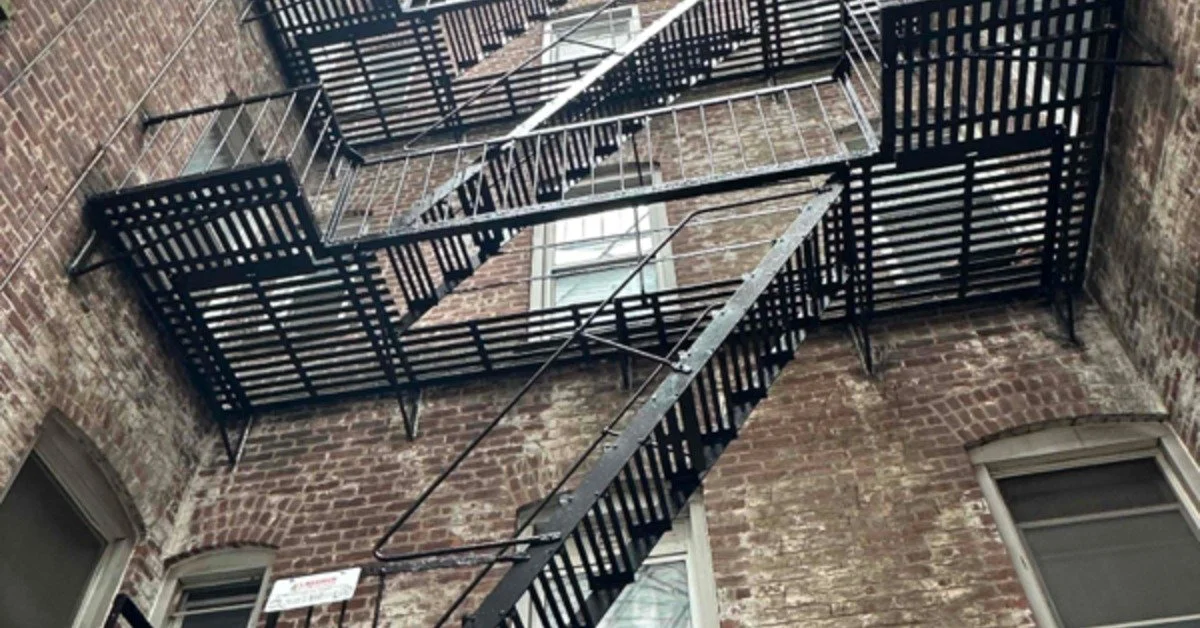
A fire escape depends on strong attachment points where it connects to the building. Brackets and support points help keep the system stable under weight. When those areas weaken, the fire escape may no longer distribute load safely.
Attachment issues can stay hidden because many of these points sit close to the wall. Rust, cracked welds, and stress around brackets may not be visible against the ground.
Inspection helps owners understand how secure the system remains. It also helps determine whether repairs should focus on one section or several connected areas.
Why Inspection Should Guide Repair Work
Some owners want repairs as soon as they notice rust or movement. That makes sense, especially when a violation or safety concern creates pressure. Still, repair work should start with a full review.
Without an inspection, crews may fix the most visible issue while missing the real source of the problem. For example, a loose railing may connect back to platform corrosion. A shifted stair section may point to weak welds at the landing.
A complete inspection helps identify hidden structural weak points in aging fire escapes before repair work begins. It gives owners a clearer repair plan and helps avoid repeated issues.
The International Fire Code mandates fire escape inspections and certifications every five years. Proactively managing this schedule helps owners prevent last-minute repairs, certification delays, and unforeseen violations. A steady fire escape maintenance plan also gives property teams better control over long-term repair needs.
Protect the Structure Before Problems Spread
Aging fire escapes need more than a quick look from the ground. They need careful review, skilled welding, and a repair plan based on the system’s actual condition. Corrosion, cracked welds, weak platform framing, and loose connections can all develop quietly over time.
Building owners don’t have to wait for a violation to act. A professional inspection can uncover structural concerns early and guide the next step with less confusion.
If your fire escape shows rust, movement, cracked welds, or signs of age, schedule an inspection before the damage spreads. The right repair team can help restore strength, support certification needs, and keep the system ready for emergency use.