
Deciding Between Fire Escape Repairs or Full Replacement
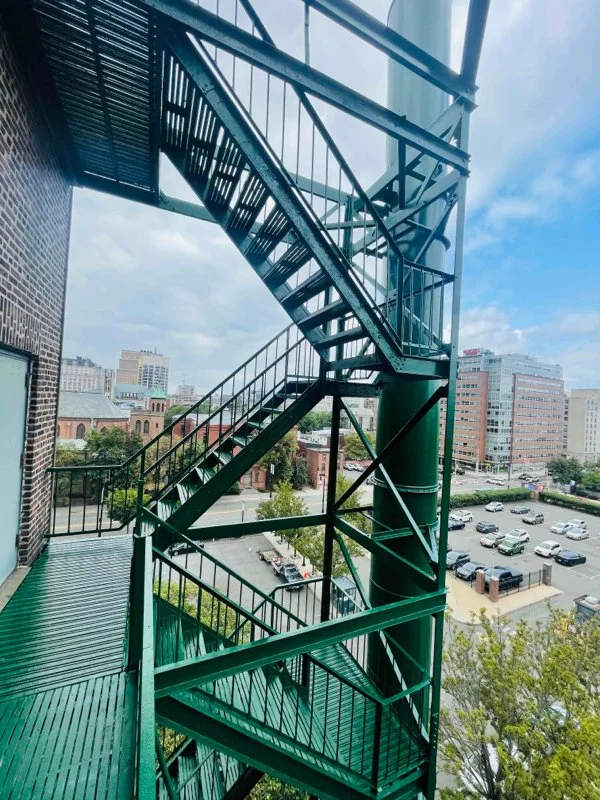
Property owners and managers need a clear plan in place when an aging fire escape begins to show corrosion, movement, or other signs of wear. Some systems only need targeted repair, while others have reached a point where replacement makes more sense. A professional inspection helps separate short-term fixes from the work needed to keep the structure safe and compliant.
That clarity helps property owners compare the two options before violations create additional pressure. Here’s what to consider when deciding between fire escape repairs or a full replacement.
Start With the Current Condition
The condition of the fire escape should guide every repair or replacement decision. A system with surface rust or a few weakened welds may still have a strong structural base. Targeted work can restore strength and support compliance.
Widespread deterioration changes the conversation. When corrosion reaches support areas, repairs may no longer offer long-term value. An inspection helps confirm how far the damage has spread.
Property owners shouldn’t rely on appearance alone. Paint can hide corrosion, and a firm-feeling fire escape can still contain weakened joints.
Once the condition becomes clear, owners can decide whether the damage fits within a repair plan.
When Fire Escape Repairs Make Sense
Repairs often make sense when the main structure still has enough integrity. Many aging fire escapes need structural welding and a healthy coat of paint rather than full replacement. The right repair plan can address violations and extend the system's service life.
Repair work usually fits when damage stays limited. A cracked weld near a railing may need prompt attention, yet that issue doesn’t mean the full system has reached the end of its life. Localized rust may respond to welding when nearby metal still has strength.
A repair plan should focus on structure first. Cosmetic work won’t solve concerns in weakened metal. Property owners should ask which repairs address safety and support compliance.
Repair can address many structural concerns, but some conditions indicate a larger investment is needed.
When Replacement Becomes the Better Decision
Replacement enters the discussion when repairs chase one problem after another. A severely deteriorated fire escape may require so much welding that saving the old system no longer makes sense.
Deep corrosion throughout the structure often indicates replacement. Once metal loss reaches support areas, the repair plan may grow too large. A fire escape with repeated structural failures may also give owners fewer options.
Replacement may offer a cleaner path when the existing structure can’t support a safe and lasting repair plan. Age can add context, though it should never replace a professional review.
Consider the Age of the System
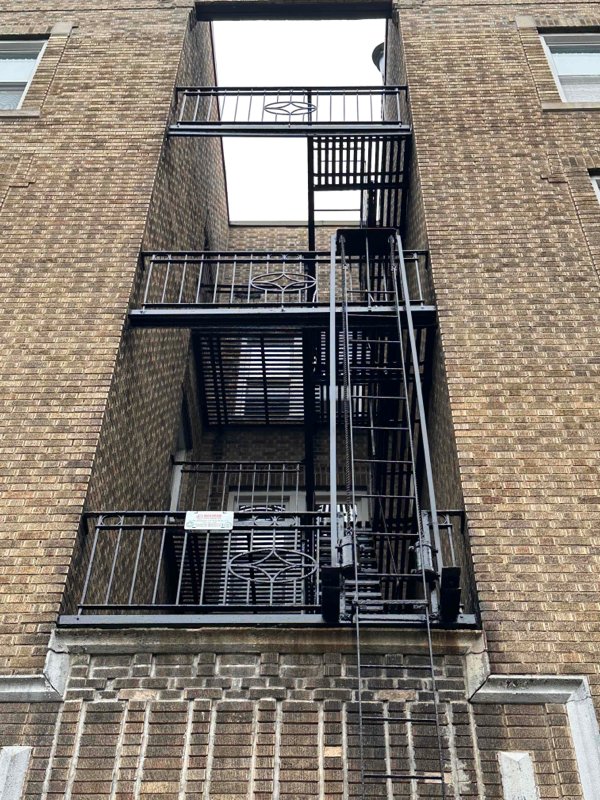
Age matters, but age alone shouldn’t decide the outcome. Many older fire escapes remain repairable when main structural members still have strength and they have been properly maintained. Others spend decades exposed to moisture and harsh weather conditions and without any maintenance, which can weaken major components.
The inspection should look beyond the building's age. A professional should examine welds, framing, stairs, railings, and attachment areas. Those areas show whether age has caused minor wear or serious decline.
Condition and age both matter, but violation notices can shape the timeline faster than owners expect.
Review Violation Requirements Early
Violations can quickly push a fire escape decision forward. Once an owner receives notice from a fire official, the building needs a plan that addresses the cited concerns.
As the National Fire Escape Association notes in its guidance on fire escape code requirements, IFC 1104.16.5.1 requires a structural safety review every 5 years unless the fire code official sets a different schedule. After that review, the report goes to the fire code official.
Those code requirements can influence whether repairs or replacement offer the cleaner path. If a repaired system meets the required structural standard and supports the required documentation, repairs may offer a direct path. If the system can’t meet that standard without extensive reconstruction, replacement may reduce uncertainty.
Compare Cost With Long-Term Risk
Budget matters, yet the lowest upfront price doesn’t always protect the property. A small repair bill can look appealing until the same fire escape fails another inspection or develops new structural concerns soon after.
Owners should compare repair costs against the cost of repeated work. A repair may make sense when it resolves the known problem and leaves the structure dependable. Replacement may cost more upfront, yet it can reduce repeat visits when the existing system has reached the end of its service life.
Look Beyond the First Repair Estimate
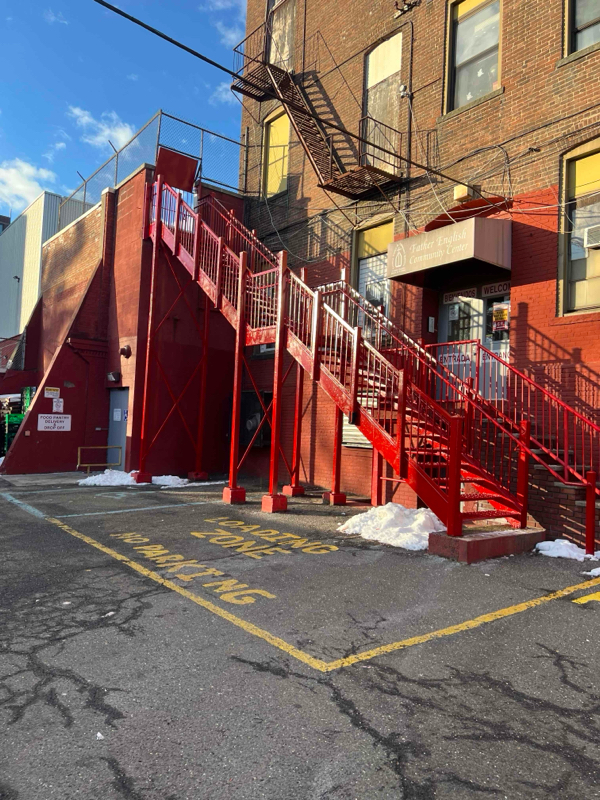
A repair estimate only tells part of the story. Owners should also consider whether the work solves the conditions that caused the violation or only addresses what looks urgent. If the same structure keeps showing new weak points, replacement may offer a better long-term path. When repairs solve the cited concerns and leave the system stable, they can still make the most sense.
Avoid Short-Term Fixes That Hide Larger Issues
Short-term repairs can create problems when they focus on visible symptoms. Fixing one railing may help, but it won’t solve corrosion that runs through hidden connection points. Welding one damaged area may also fall short if the surrounding metal no longer has enough strength.
A stronger process starts with a full inspection. The owner should receive clear findings and a repair scope that explains which areas need work first. Planning helps owners avoid paying twice for work that fails to account for the system’s condition.
Once the full scope is clear, inspection findings should guide the final call instead of guesswork or price alone.
Choose the Path That Protects the Property
The repair-versus-replacement decision should never start with a guess. It should start with a close inspection, a clear scope, and honest guidance about long-term performance. For owners deciding between fire escape repairs or a full replacement, that review can reduce delays and support a safer path forward.
What Owners Should Confirm
The final decision should determine whether the structure can support a dependable repair, meet inspection requirements, and enable safer emergency access.
Property owners and managers who act early gain better options. They can address corrosion before it spreads and repair weak welds before movement gets worse. Early action also helps owners prepare for fire escape certification with less pressure once documentation becomes part of the process.
Our team at Maximum Fire Escapes helps building owners evaluate aging fire escapes, resolve violations, and choose the right path for safer emergency egress.
Contact Maximum Fire Escapes to schedule an inspection and get clear direction on whether your fire escape needs repair or replacement.