
The Role of Structural Steel in Fire Escape Durability
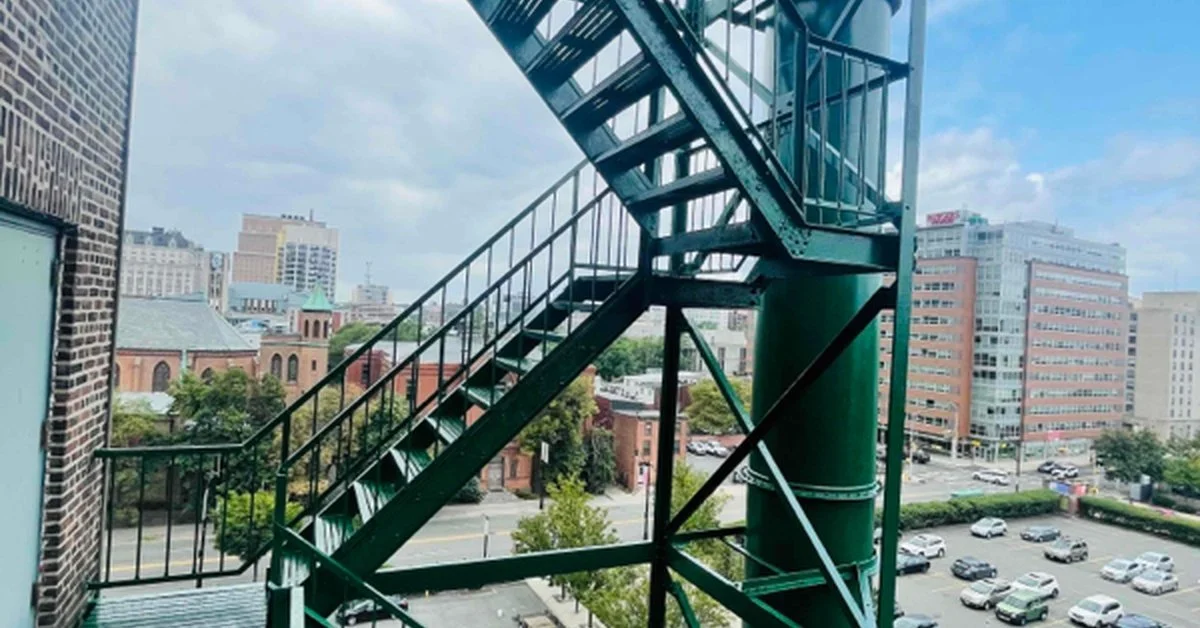
A fire escape can sit on a building for decades before anyone looks closely at the steel holding it together. From the sidewalk, the system may appear steady, but paint can hide rust and weakened welds.
For property owners and managers, the role of structural steel in fire escape durability matters because steel carries loads, supports connections, and helps the system remain dependable over time.
Structural Steel Carries the Real Workload
A fire escape may look like a simple exterior stair system, but the frame carries weight in several directions at once. The platforms need enough strength to support occupants during emergency use. The stairs need to transfer movement back into platform framing. Railings need firm welded connections, so they don’t loosen under pressure.
The steel also connects the fire escape to the building through brackets and support points. Those connections matter because they help transfer weight from the exterior structure into the wall assembly. If corrosion weakens the bracket area, the fire escape can lose stability even when the stairs and platforms still look serviceable.
Inspectors review the entire steel system rather than a single visible defect. A rusted railing may look like the main concern, yet the more serious issue could sit beneath the platform or around a welded support.
Weather Wears Steel Down Over Time
Fire escapes don’t get shelter from rain, snow, heat, humidity, or freeze-thaw cycles. That constant exposure can wear down protective paint and give moisture a way into the steel. Once water reaches bare metal, corrosion can spread under the surface coating.
Older fire escapes often show this pattern around platform edges and stair connections. Water may drain across the walking surface, collect along seams, or sit where two pieces of steel meet. Tight corners and underside framing deserve close attention because moisture often lingers there longer than it does on open surfaces.
Paint failure can also signal a deeper issue. Bubbling, cracking, or flaking may show that rust has formed beneath the coating. Covering that area without addressing the metal can hide damage and allow corrosion to keep spreading.
Corrosion Changes the Strength of the Steel
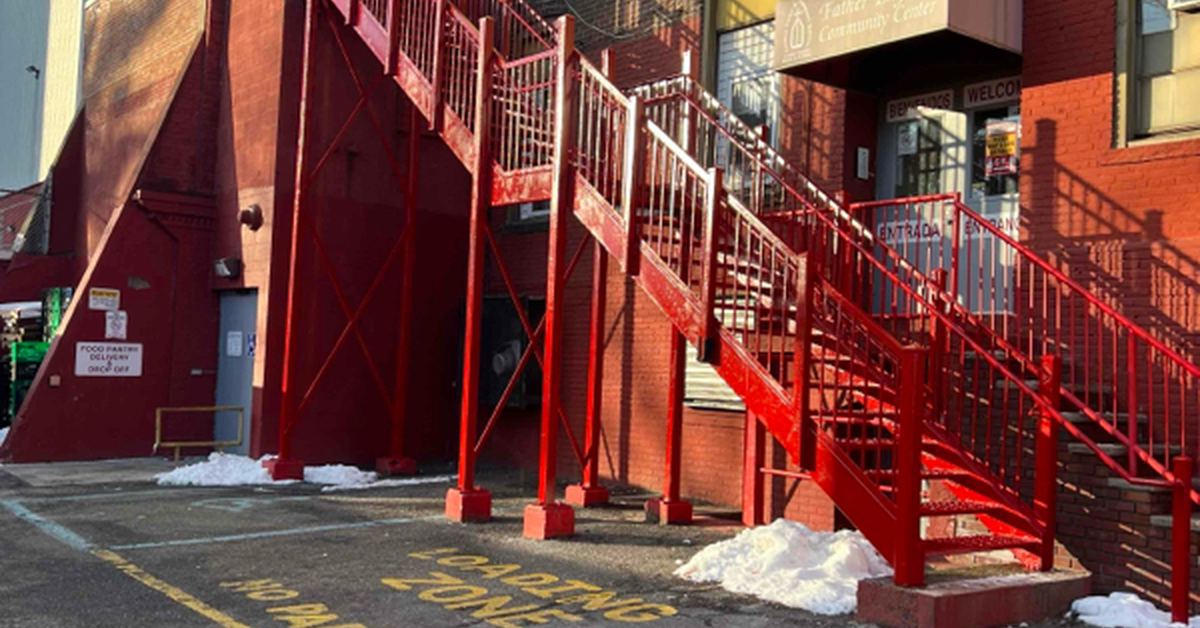
Rust starts at the surface, but it can spread deeper when owners delay repairs, as corrosion eats away at structural steel, thinning the metal. A steel member that once carried weight with confidence may start to lose the strength needed for emergency use.
This matters most in load-bearing areas. Platform frames, stair stringers, and building brackets all help keep the fire escape stable. Corrosion in one of those places can change how weight moves through the structure. Nearby steel may begin carrying stress it wasn’t meant to handle.
A trained review can separate cosmetic rust from structural deterioration. Surface rust may require prep work, repairs, and a protective coating. Deeper corrosion may require welding, reinforcement, or section repairs or replacement based on how much metal remains.
Areas That Often Need Closer Review
Some steel components face more exposure than others. These areas tend to reveal early signs of deterioration:
Platform framing beneath walking surfaces
Stair stringers near tread connections
Brackets where the system meets the building
Welded seams around landings and railings
Lower sections exposed to splashback and standing moisture
These problem areas don’t always stand out from the ground. A fire escape can look sturdy while corrosion continues beneath the frame.
Weld Quality Shapes Long-Term Durability
Steel strength depends heavily on the welded connections that hold the system together. A fire escape can have heavy steel members, but weak welds still create movement, separation, and instability. That makes weld quality one of the most important parts of long-term performance.
Welds often face stress where stairs meet platforms and where railings attach to the frame. Over time, movement can create small cracks along those seams. Water can enter gaps and accelerate corrosion of the surrounding steel.
A close inspection looks for cracked welds, separated seams, rust bleeding from joints, and movement around connection points. Skilled welding can often restore strength when the surrounding steel still has enough integrity. That repair work helps the structure function as a single connected system again.
Age Doesn’t Always Mean the Fire Escape Needs Replacement
Many aging fire escapes still retain strong steel underneath their surface. The decision on what to do next isn’t based on age alone but rather on their condition.
An older fire escape with repairable steel, solid framing, and localized corrosion may benefit from targeted welding repairs. In such cases, a repair plan can restore strength without the need for a full replacement. The inspection should inform this decision, not just appearance.
Owners should avoid assessing safety solely based on color, coating, or curb appeal. The real indicator lies beneath the surface—the steel itself.
Inspection Connects Steel Condition to Repair Decisions
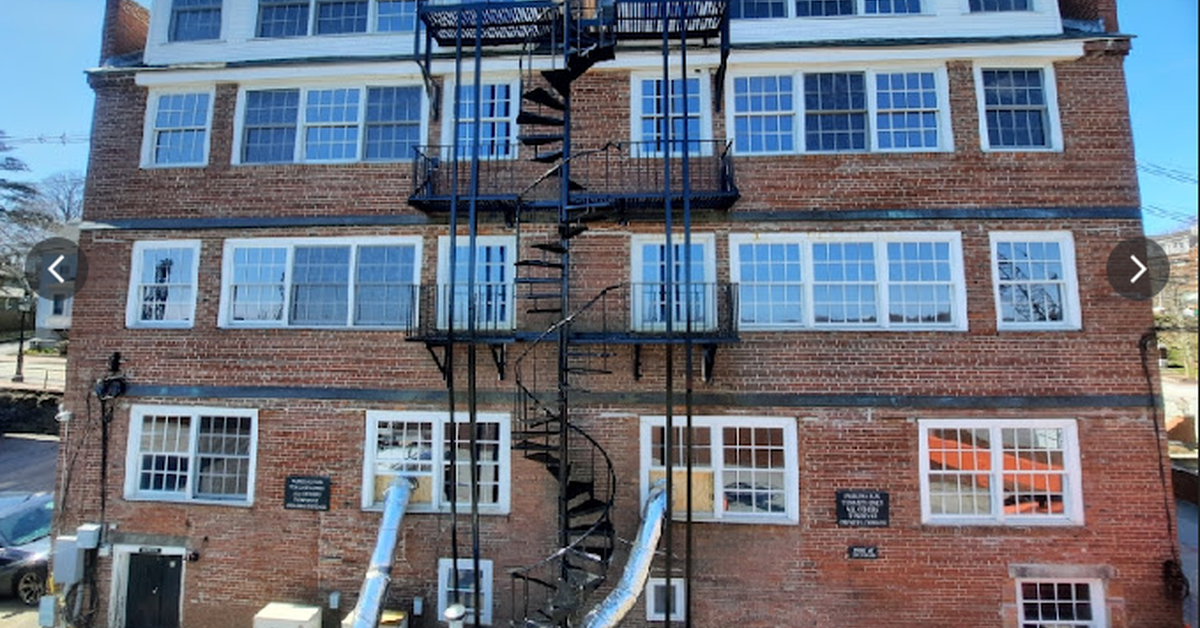
A fire escape inspection gives owners a clearer view of what the structure needs. Inspectors look at the steel framework, welded joints, platform supports, stair sections, railings, and building attachments. That review helps distinguish between routine maintenance and structural repair.
The International Fire Code requires fire escape examinations and certifications every 5 years. A regular schedule helps owners catch steel deterioration before it becomes harder to manage. It also supports cleaner documentation when violations, insurance requests, or property transactions bring the fire escape into focus.
Inspection findings typically determine the extent of repairs. If corrosion is limited, welding and reinforcement might suffice. However, if it affects major support areas, a more comprehensive structural plan could be necessary.
Repair Work Should Strengthen the Steel First
A strong fire escape repair plan starts with the steel, not the appearance. Paint can protect the structure after repair work, but it can’t solve weakened welds or corroded support points. The metal needs proper attention first.
Experienced fire escape contractors can evaluate which sections need welding, which connections need reinforcement, and which areas need closer structural review. That guidance helps owners avoid surface-level fixes that leave the actual problem in place.
Good repair work also considers how each part connects to the rest of the structure. Reinforcing one section may reduce stress on nearby steel. Repairing a cracked weld may prevent movement from spreading to the next connection point. Careful work helps the fire escape regain strength as a connected system.
Durable Fire Escapes Start With Strong Steel
Every fire escape depends on the condition of its steel. The platforms need support beneath the walking surface. The stairs need strong stringers and stable connections. The railings need secure welds. The brackets need enough strength to keep the system tied back to the building.
That’s why structural steel plays such an important role in fire escape durability. It influences inspection results, repair planning, violation response, and long-term safety. When owners understand how steel wears down, they can act before small concerns grow into larger structural problems.
Maximum Fire Escapes helps property owners and managers evaluate aging fire escapes, address violations, and complete structural repairs with experienced support in welding and inspection. Contact us today to schedule an evaluation and get clear guidance for your fire escape.