How Annual Fire Escape Inspections Protect Properties
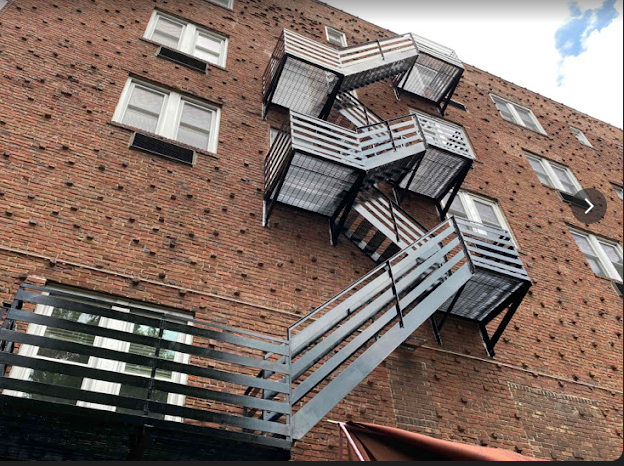
Fire escapes remain exposed to rain, snow, temperature changes, and building movement throughout the year. Corrosion can form beneath paint, welds can weaken, and connections can shift without showing obvious warning signs from the ground.
That’s why annual fire escape inspections help protect properties before small structural concerns spread into larger repair needs. A yearly review gives building owners current information about the system’s condition, even when the next formal certification remains several years away.
Annual inspections also help property managers plan repairs around budgets, tenant access, and building schedules. Instead of reacting after a violation occurs, owners can address changes while the work is still easier to manage.
Annual Reviews Fill the Gap Between Certifications
The International Fire Code requires an examination and certification every five years. That requirement gives property owners an important compliance milestone; however, fire escape conditions can change between those examinations.
A yearly inspection helps close that gap. Inspectors can identify corrosion, cracked welds, loose railings, or movement at connection points, so those conditions do not go unnoticed for several years.
Annual inspections don’t replace the five-year examination. They support ongoing property care between required certifications and give owners a better view of how the structure changes over time.
For buildings with older fire escapes, added oversight can make a major difference. Many systems have remained exposed to weather for decades, and deterioration may progress faster in one section than another.
Inspectors Find Problems That Owners Can’t See
Most building owners view their fire escape from the sidewalk, a window, or a nearby roof. Those angles don’t reveal every structural concern.
Inspectors examine the undersides of platforms, stair connections, welded seams, railings, and brackets that attach the system to the building. These areas often hold moisture or show early signs of stress.
Paint can also hide corrosion. A surface may look intact while rust develops beneath the coating or around a weld. Inspectors know where those problems usually begin and how to separate surface wear from deeper deterioration.
That closer review gives owners useful information before visible damage spreads across several sections of the fire escape.
Annual Inspections Track Corrosion Over Time
Corrosion rarely affects every part of a fire escape at the same rate. Water may collect beneath one platform while another section remains dry. A bracket near the building may deteriorate faster than an exposed railing.
Annual inspections help owners track those differences. Inspectors can compare current conditions with earlier findings to identify areas where rust has spread, paint has failed, or steel has begun to weaken.
That year-to-year comparison matters because corrosion can move beneath painted surfaces. Owners may not notice the change until the metal begins to flake, swell, or separate near a connection.
Addressing corrosion early can limit the extent of the repair area. Delayed work may allow moisture to affect nearby welds, platform framing, or stair supports.
Welds Need Close Attention
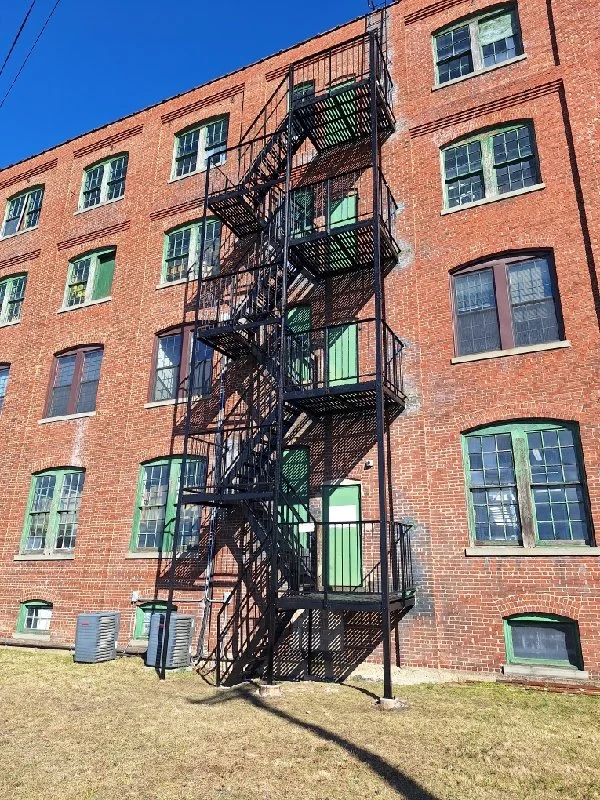
Fire escapes depend heavily on welded connections. Welds join railings, platforms, stairs, braces, and other structural sections that carry weight during use.
Weather exposure and repeated movement can place stress on those connections. Small fractures may form near a weld, or corrosion may weaken the steel around it. Even when the joint still looks connected, movement can place added pressure on nearby components.
Inspectors check weld seams for cracking, separation, rust, and signs of earlier repairs. They also review the surrounding metal because a weld can’t provide reliable support when the connected steel has lost strength.
When an inspection identifies a structural concern, trained welders can reinforce or repair the affected area.
Building Connections Can Affect the Whole System
Fire escapes attach to the building through brackets and anchoring points. Those connections help support platforms, stairs, and the weight placed on the system during an emergency.
Corrosion or movement near one bracket can affect more than a single section. It may change how the structure carries weight or place strain on nearby supports.
Annual inspections give professionals a chance to examine each attachment point closely. They look for rust, gaps, movement, damaged welds, and changes around the surrounding building surface.
These concerns can develop slowly. A fire escape may still appear level from below even when one connection has started to weaken. Early review helps owners address the source before movement spreads through the structure.
Reports Help Owners Plan Repairs
A detailed fire escape inspection report gives property owners a written record of the system’s condition. It can identify areas that need immediate attention, repairs that can be included in a future budget, and sections that should receive closer review during the next visit.
Reports also help property managers keep information organized when staff members change, or a building changes ownership. A clear history prevents each new manager from starting without earlier inspection details.
A Yearly Report May Document
Corrosion around welds and platform framing
Movement within stairs or railings
Deterioration near building attachments
Paint failure across exposed steel
Repairs completed since the prior review
That record gives owners a better basis for repair decisions. It also helps contractors focus on known concerns rather than relying on limited notes or verbal descriptions.
Regular Inspections Support Property Value
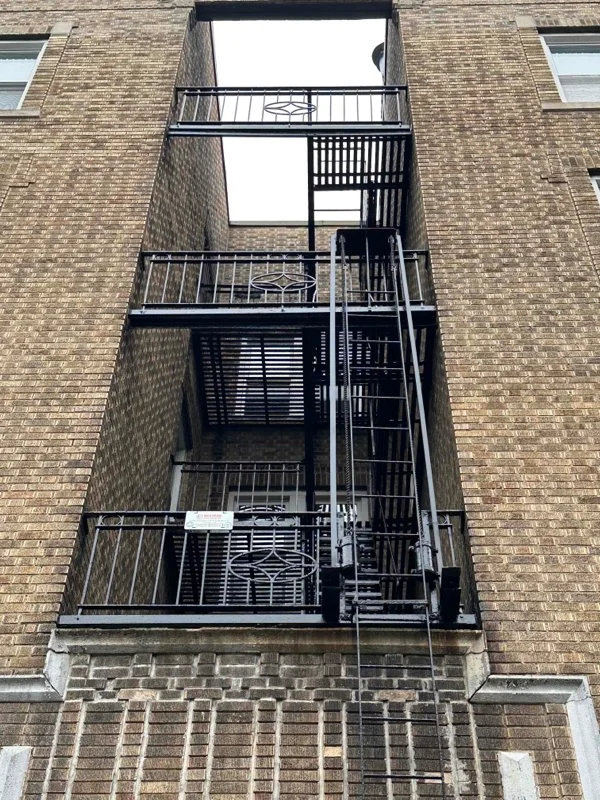
Visible rust and damaged fire escape components can raise concerns during a property sale, refinancing review, or management transition. Buyers and lenders may ask about the structure’s condition, past repairs, and certification history.
Annual inspection records show that the owner has monitored the system instead of waiting for a violation. They also provide context for completed repairs and current recommendations.
That documentation can reduce uncertainty during property reviews. It gives decision-makers a clearer picture of the fire escape’s condition and the steps the owner has taken to maintain it.
Regular inspections can also limit repair costs. By way of example, an area just requiring a few welds requires less work than a larger project involving several platforms, stair sections, and attachment points.
Experienced Inspectors Understand Older Fire Escapes
Older fire escapes don’t always match modern construction standards. Many qualify as pre-existing nonconforming structures, which means inspectors shouldn’t judge them by current measurements alone.
Experienced inspectors focus on structural condition, safe operation, connection strength, and applicable examination requirements. They understand how older steel systems carry loads and where long-term exposure can create problems.
That experience matters when past repairs, layered paint, and unusual framing make the structure harder to evaluate. A trained eye can identify signs that may appear minor to someone without experience working on fire escapes.
Build Annual Inspections Into Property Care
Property owners can’t rely on appearance alone when evaluating an outdoor steel structure. Hidden corrosion, weakened welds, and movement at attachment points may develop long before the fire escape looks unsafe from the ground.
Understanding how yearly fire escape inspections protect properties helps owners stay ahead of those changes. A consistent review schedule supports repair planning, documentation, and safer building conditions between required certifications.
Contact Maximum Fire Escapes to schedule a professional fire escape inspection or address an existing violation. The team can inspect the structure, explain the findings clearly, and complete the welding repairs needed to move the property forward.