
7 Ways To Prepare Tenants for Fire Escape Repairs
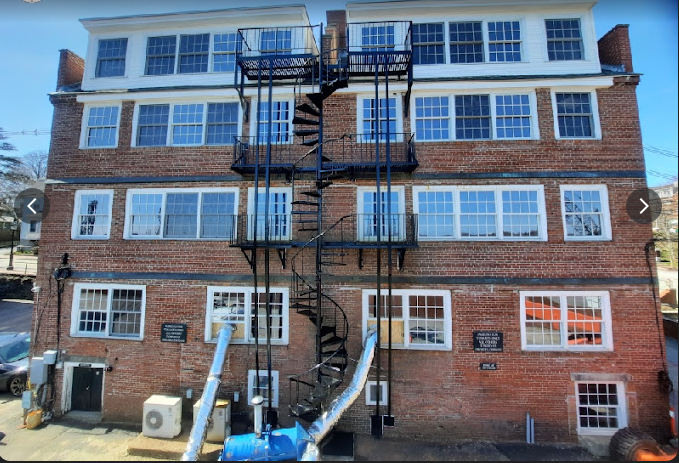
Fire escape repairs often happen while people continue living or working in the building. That creates practical challenges when crews need access to windows, rear rooms, shared walkways, or exterior work zones. Clear planning can reduce delays and help residents adjust without unnecessary confusion.
These ways allow property managers to prepare tenants for fire escape repairs and help set expectations before the first workday. When tenants understand where crews will be working, what access they may need, and how the schedule may change, the repair process can move with fewer interruptions.
1. Send Notice Before the Crew Arrives
Property managers should notify tenants as soon as the repair schedule becomes available. Early notice gives residents time to move belongings, adjust work-from-home plans, arrange pet care, or prepare for temporary access changes.
The notice should include the expected start date, daily work hours, affected areas, and the main contact for questions. It should also explain that weather or newly exposed damage may affect the schedule.
Avoid vague wording such as “work will begin soon.” Tenants need dates and clear instructions they can act on.
2. Explain Why Interior Access May Be Necessary
Many repairs take place outside the building, yet crews may still need access through occupied units. Windows, rear rooms, balconies, roof doors, or shared hallways can provide the safest route to structural connections that require welding or other reinforcements.
Tenants often cooperate more readily when they understand why access matters. A short explanation can prevent blocked windows, missed appointments, or confusion when workers arrive.
Property managers should tell residents which units may require entry and whether building staff will accompany the crew.
Avoid promising that crews won’t need interior access unless the contractor has confirmed it. Fire escape layouts vary, and some connection points can’t be reached from the ground or from exterior staging alone.
3. Ask Tenants to Clear Windows and Work Areas
Crews need clear access around the parts of the building closest to the fire escape. Furniture, air conditioners, planters, storage bins, and decorations can slow the work or prevent welders from reaching a connection.
Give tenants several days to move anything near the work area. A same-day request can create delays, especially when crews plan to move through several units in sequence.
Ask residents to clear items such as:
Window air conditioners near access points
Furniture placed against windows
Plants, boxes, or decorations on sills
Patio furniture on balconies or landings
Bicycles or storage items near rear exits or on the fire escape
Property managers should inspect common areas before the first workday. Crews shouldn’t have to stop and wait while someone locates a key or moves stored property from a hallway.
4. Prepare Residents for Noise and Vibration
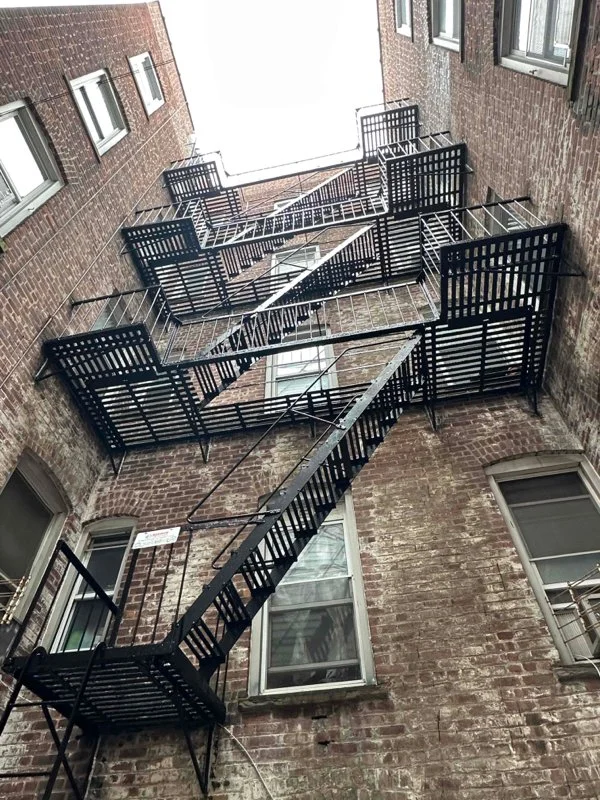
Welding, grinding, scraping, and metal preparation can create periods of loud noise. Tenants may also notice vibration near windows or walls beside the fire escape.
Share the normal work hours and point out days that may involve louder tasks. Residents who work from home may need to move meetings, while families with young children may want to adjust sleep schedules.
Pets can react strongly to sudden sounds or workers appearing outside a window. Encourage tenants to keep animals in rooms away from the active work area.
Noise levels can change as crews move across the structure, so regular updates help residents plan.
5. Explain Temporary Access Restrictions
Some windows, balconies, rear exits, courtyards, or parking areas may need to be temporarily closed to ensure safety while crews work nearby. Tenants should be informed of which areas will remain accessible and which routes they’ll need to avoid during construction or repair activities.
Property managers should provide clear alternative directions to guide residents around blocked pathways or restricted zones when a usual route becomes unavailable. Residents should never move barriers or enter restricted work areas, as this can pose serious safety risks.
Welders require uninterrupted space to safely handle tools, hot metal, and structural components without interference. Children and pets must be kept under close supervision near exterior work zones to prevent accidents. Establishing and communicating clear rules helps protect residents, maintains safety, and enables the crew to work efficiently without frequent stops to manage foot traffic or address hazards.
6. Explain Why the Schedule May Change
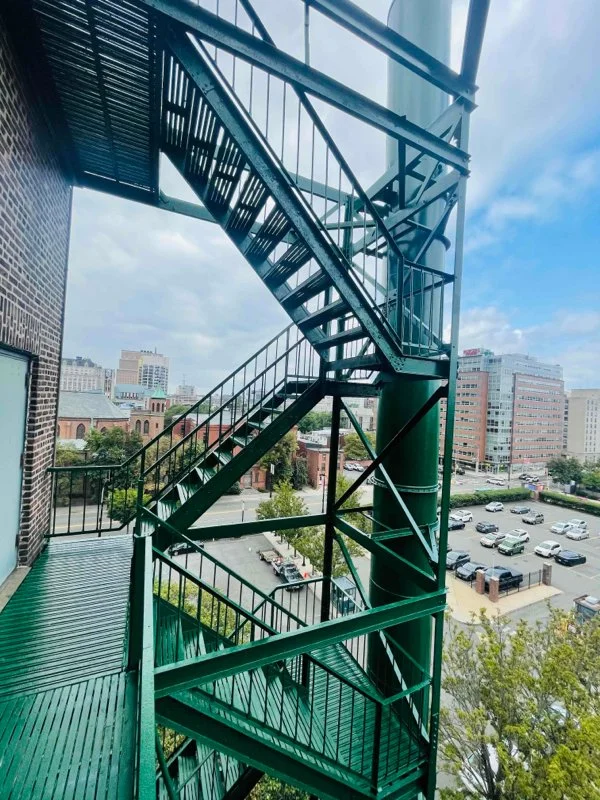
Some structural problems remain hidden until crews begin removing loose material or exposing welded connections. Corrosion may extend farther than it appeared during the first inspection, or a weakened section may require added reinforcement.
Property managers should mention this possibility before work starts. That helps tenants understand why an access date may move or why crews may return to the same area.
A larger project may involve fire escape restoration, including structural welding, removal of failing material, surface preparation, and a healthy coat of paint after repairs. That scope can affect more units and shared spaces than a smaller repair.
Share Short Updates as Work Moves
Updates should clearly explain what has changed, who is affected, and when the new plan will begin. While detailed technical explanations are often unnecessary, providing specific information helps ensure understanding.
A brief daily message can prevent missed access windows and repeated questions, and it also gives residents sufficient notice to prepare when crews move to another side of the building.
7. Give Tenants One Reliable Contact
Tenants should know whom to contact about entry times, noise, access, or changes to shared spaces. One phone number or email address keeps communication organized and prevents conflicting answers.
The contact person should track questions that affect the project and pass relevant details to the contractor. Tenants shouldn’t approach welders while they’re working or ask crew members to change the schedule directly.
Property managers can also keep a simple record of notices, access requests, and tenant concerns.
These ways to prepare tenants for fire escape repairs work best when communication stays clear from the first notice through project completion. Residents don’t need every technical detail, but they do need accurate timing, direct instructions, and a dependable contact.
Plan the Project With an Experienced Fire Escape Team
Tenant preparation starts with a clear repair plan. Maximum Fire Escapes helps property owners and managers handle inspections, structural repairs, construction, and violation-related work nationwide.
The team’s AWS-certified welders address damaged sections and guide clients through the process from the first evaluation through completed repairs. Contact Maximum Fire Escapes today to discuss your property, review the work required, and schedule professional fire escape service.