
A Guide To Fixing Loose Fire Escape Treads and Railings
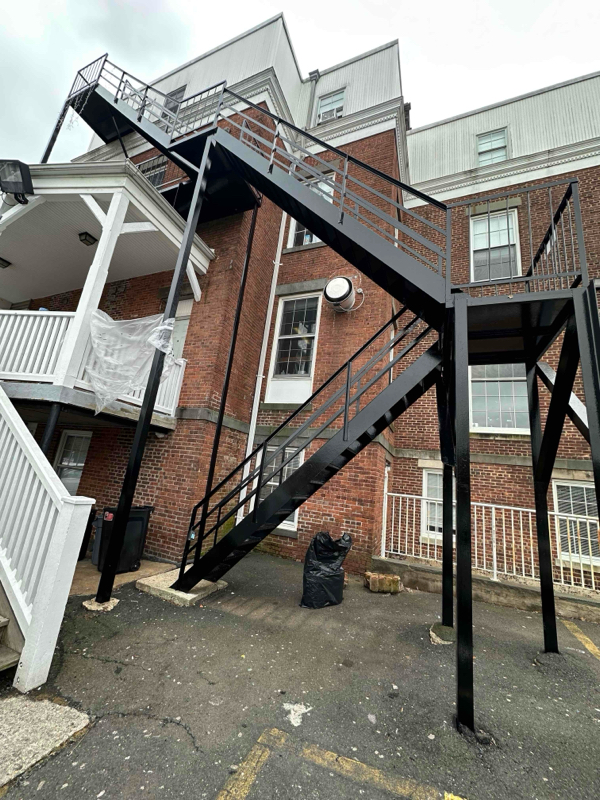
Loose treads and railings can signal wear within a fire escape’s connections. A tread that shifts under pressure or a railing that moves at its attachment point deserves professional attention, even when the surrounding metal appears stable.
For property owners and managers, fixing loose fire escape treads and railings starts with finding out why the movement developed. Corrosion, weakened welds, and years of exposure can affect individual connections while other areas remain firm.
Knowing what causes movement and how professionals address it can help owners respond before the affected area develops further damage.
Why Fire Escape Treads Become Loose
Fire escape treads bear weight during use and are exposed to weather year-round. Over time, corrosion can develop at the connection points between each tread and the stair structure.
Moreover, if a weld weakens, movement may occur, and even small shifts can cause stress on nearby connections when someone steps on the tread.
A loose tread requires more than a superficial repair; a fire escape professional must thoroughly inspect it to identify the cause of the movement and assess the surrounding stair components.
What Causes Movement in Fire Escape Railings?
Railings rely on strong connections at stairs, platforms, and other attachment areas. Weather exposure can gradually affect these points, especially when corrosion forms around a connection point.
A railing may start moving because the metal around the connection has deteriorated. The visible movement may seem limited to one section, but the surrounding structure still needs review.
Railings serve a direct safety purpose for anyone using the fire escape. Owners shouldn’t ignore movement simply because the railing remains attached.
Signs That Treads and Railings Need Attention
Property owners don’t need to determine the exact cause of a loose component on their own. They can look for visible or physical changes that warrant a professional inspection.
Common signs include:
Treads that shift when stepped on
Railings that move when pressure is applied
Visible separation around welded connections
Flaking rust near attachment areas
Metal loss or pitting around a tread or railing connection
Movement can develop slowly, which makes changes easy to overlook during everyday property checks. Comparing the condition of nearby treads or railing sections may also make unusual movement easier to spot.
Why Small Movement Matters
A loose component can repeatedly stress the metal around its connection. That stress may allow movement to increase as the fire escape continues to face weather exposure and regular use.
The surrounding metal matters as much as the loose tread or railing. Repair work should address the condition that allowed the component to move, not just the visible symptom.
How Professionals Evaluate Loose Components
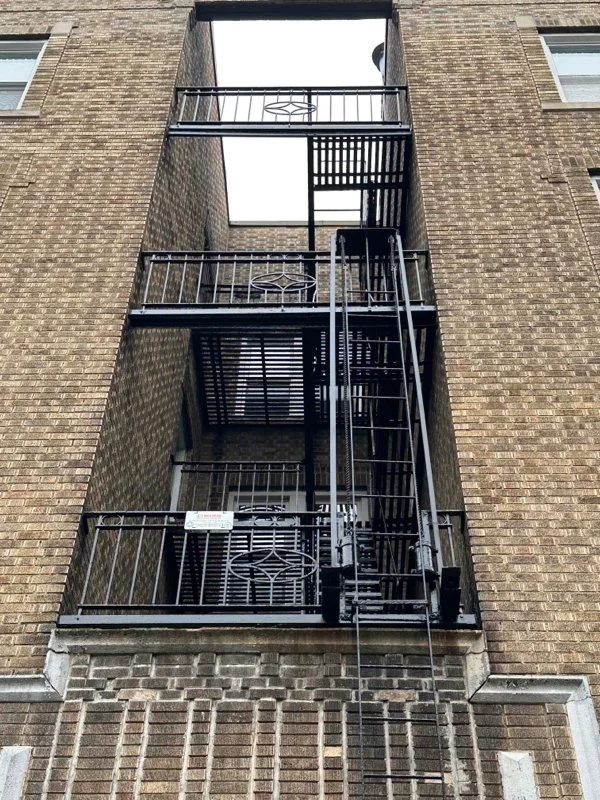
A professional evaluation looks beyond the moving area. The technician can examine nearby welds, stair stringers, platform and tread connections, and the metal surrounding the affected component.
That broader review helps determine whether the problem stays limited to one connection or involves deterioration across a larger section. Corrosion around the connection may require closer attention because surface rust doesn’t always show how much metal loss has occurred underneath.
Professionals can also check whether previous repairs have held up over time. Older repair work may require new welding if movement returns or the surrounding metal continues to deteriorate.
Why Welding Plays a Major Role in Repairs
Fire escape repairs often rely on welding to restore secure structural connections. When a tread or railing loosens at a bolted joint, a qualified welder can assess the existing metal before making the repair.
The surrounding material needs enough sound metal to support a strong welded connection. If corrosion has weakened that area, the repair may need to extend beyond the original bolted point.
Proper welding also helps keep the repair focused on the actual source of movement. The goal isn’t to hide a loose connection. The work should restore a firm connection that supports the component as intended.
How Corrosion Affects Repair Decisions
Rust can influence how much work a loose tread or railing needs. Light surface corrosion creates a different repair situation from deep pitting or metal loss around a connection.
Professionals assess the metal's condition before deciding where welding can restore stability. If corrosion has spread into the surrounding section, the repair may require work beyond the visibly loose component.
After structural repairs, fire escape painting can help protect exposed metal from continued weather exposure. Paint works as part of ongoing fire escape care, but it can’t correct weakened welds or restore metal that has already deteriorated.
It is important to address structural repairs before coating work covers the area.
Why Owners Should Avoid Temporary Fixes
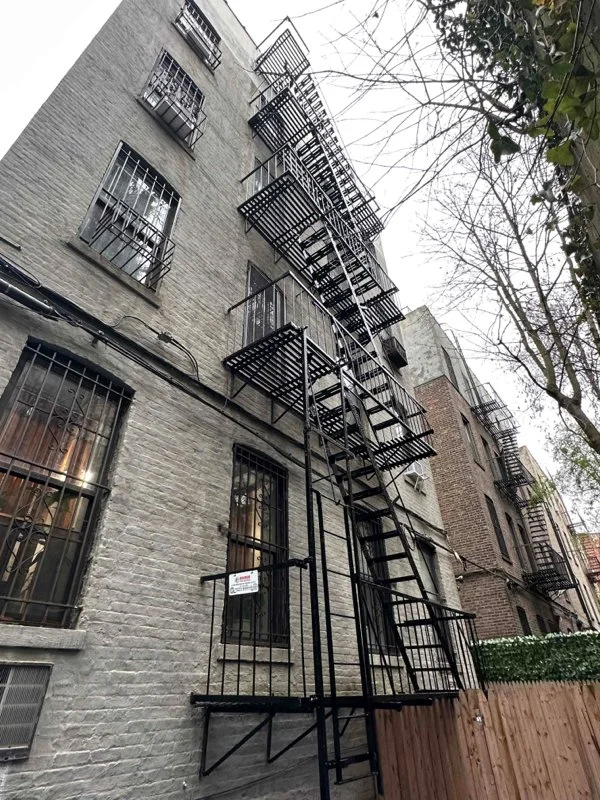
A quick fix can make a loose tread or railing feel firmer without fully addressing the condition underneath. That can create a false sense that the problem is gone.
Loose fire escape components require repairs that account for the surrounding metal and the connection itself. Welding work should come from professionals who understand how fire escape components interact with the larger structure.
Property owners should also avoid relying on paint to conceal corrosion around a loose connection. A fresh coating can improve surface protection, but structural movement still requires direct repair.
When Loose Components Point to Larger Problems
One loose tread doesn’t automatically mean the full stair assembly has widespread deterioration. The same applies to movement in a single railing section. Still, multiple loose areas can point toward a broader pattern of aging connections or corrosion.
Repeated movement across several treads may lead a professional to inspect the supporting stair components more closely. Several loose railing sections can raise similar concerns about the condition of their attachment points.
A professional inspection helps separate localized repair needs from problems that extend into nearby structural areas. Owners can use those findings to plan repairs around the fire escape’s actual condition.
Address Loose Fire Escape Components Before They Worsen
A fire escape may appear stable from afar, even as individual treads or railings begin to loosen. Early intervention allows property owners to repair these connections before ongoing exposure causes more damage, which will require a more extensive repair.
Fixing loose fire escape components professionally begins with a thorough assessment of the affected area. Skilled welding restores weakened connections after the supporting metal is repaired, and applying proper coating helps protect the surfaces afterward.
Maximum Fire Escapes helps building owners and property managers identify fire escape problems and complete the structural repairs their properties require. Contact the team to schedule an evaluation and get clear guidance on the next steps for loose treads, railings, or other fire escape concerns.