
Why Landlords Are Legally Obligated To Maintain Fire Escapes
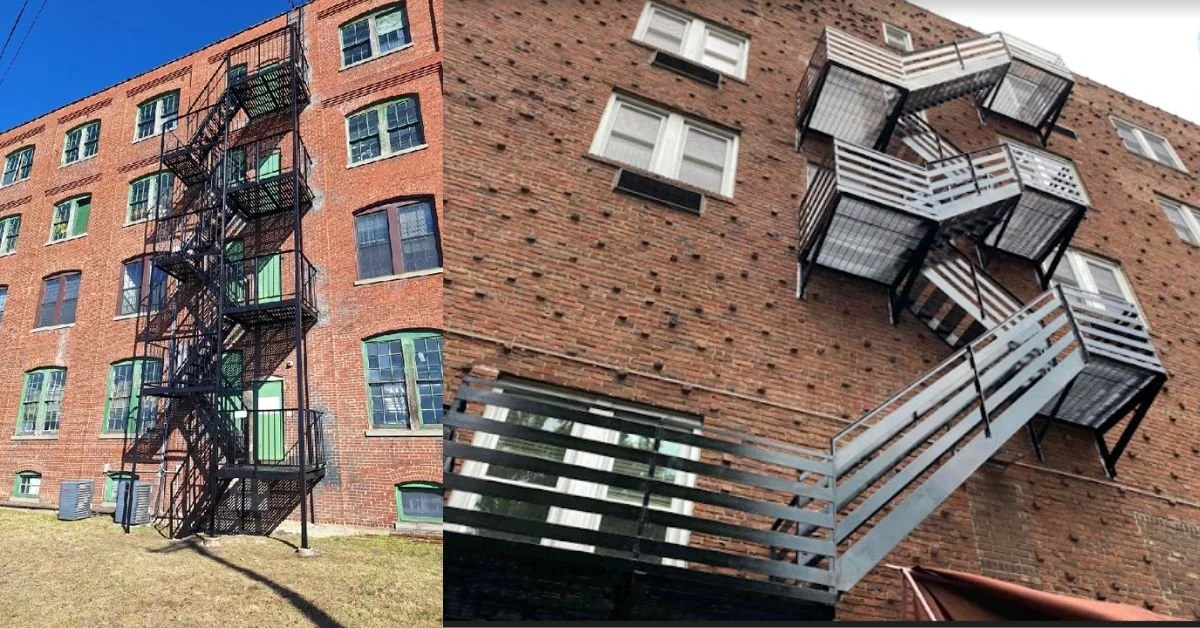
Property owners and managers carry a heavy responsibility for the safety of their tenants and visitors. A major part of this responsibility involves maintaining all building components, including emergency egress systems like fire escapes. Many landlords may wonder about their specific duties regarding these structures. The reality is that landlords are legally obligated to maintain fire escapes, a duty established by a web of local, state, and national regulations designed to protect lives.
This legal framework exists because a neglected fire escape can quickly become a dangerous liability. Regular upkeep keeps these structures functional and compliant, preventing tragic accidents and severe legal consequences. For property managers, understanding these obligations is the first step toward effective risk management and tenant safety.
Adhering to Building Codes and Regulations
Fire safety regulations, established by governmental bodies, form the bedrock of a landlord’s maintenance duties. These codes outline specific requirements for structural integrity, accessibility, and the condition of fire escapes. They are not suggestions; they are legally enforceable mandates.
The International Fire Code (IFC)
The International Fire Code (IFC) serves as a foundational model for fire safety regulations across the United States. Many jurisdictions adopt the IFC directly or use it as a basis for their local codes.
Periodic Inspections: Section 1104.16.5.1 of the IFC stipulates that fire escape stairs must be examined for structural stability and safety every five years by a qualified professional.
Certification Requirement: Following the examination, the professional must provide a written report to the local fire code official. This report confirms the condition of the fire escape and certifies its safety.
Failure to comply with these IFC-based requirements can result in violation notices, fines, and legal action. It also creates a significant liability risk for the property owner.
State and Local Ordinances
Beyond the IFC, states and municipalities often impose their own specific regulations. These local ordinances can introduce additional or more stringent requirements for fire escape maintenance.
For instance, cities with a high density of older, historic buildings might have detailed rules concerning the repair and preservation of existing fire escapes. Landlords must stay informed about the specific codes governing their property's location. Ignorance of a local ordinance does not excuse non-compliance.
The Implied Warranty of Habitability
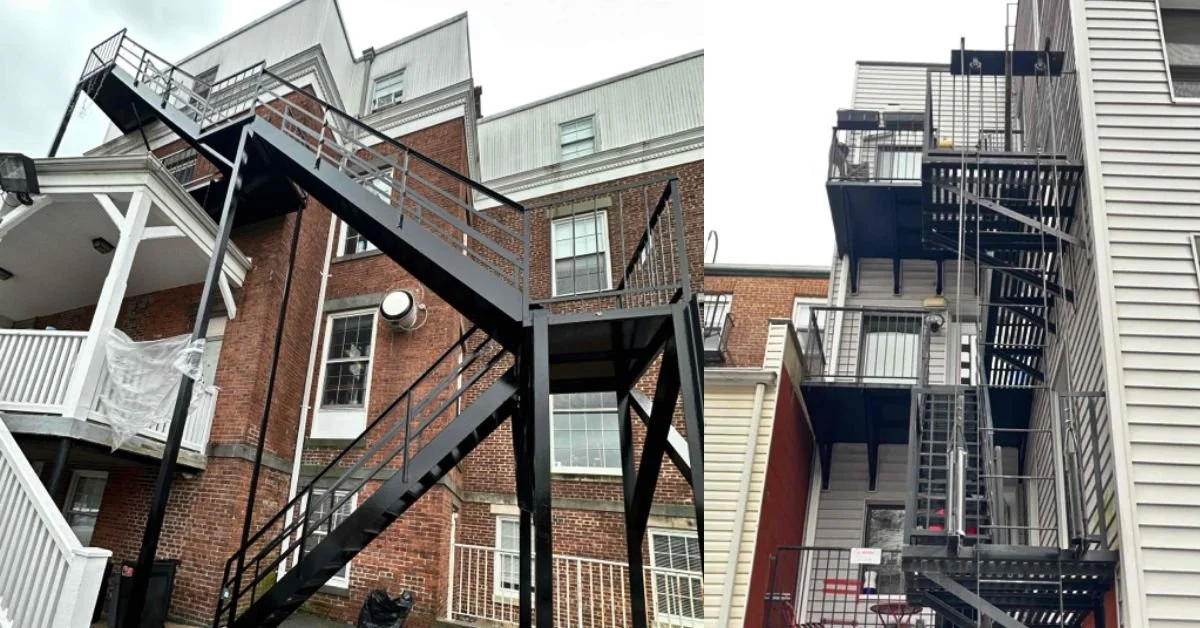
A fundamental concept in landlord-tenant law is the "implied warranty of habitability." This legal principle requires landlords to provide tenants with a safe and livable rental property. A building that lacks a functional and secure means of emergency egress, such as a well-maintained fire escape, may be considered uninhabitable.
What Does Habitability Include?
The warranty of habitability covers conditions that affect a tenant’s physical health and safety. A rusted, unstable, or blocked fire escape directly falls into this category. If a fire escape is unsafe, a landlord may be in breach of this implied warranty.
Consequences of breaching the warranty can include:
Tenants may have the right to withhold rent.
Tenants can sue the landlord for damages.
A court may order the landlord to perform necessary repairs.
Therefore, regular maintenance is not just about following specific fire codes; it is about upholding the basic legal promise of a safe home for every tenant.
Negligence and Premises Liability
If an accident occurs due to a poorly maintained fire escape, landlords could face a negligence-based premises liability lawsuit. Negligence occurs when a property owner fails to exercise reasonable care to keep their property safe, and that failure causes injury to someone.
Elements of a Negligence Claim
To win a negligence lawsuit, an injured party typically must prove four things:
Duty of Care: The landlord had a legal duty to maintain a safe fire escape.
Breach of Duty: The landlord failed to perform this duty, for example, by not repairing a rusty railing or a broken step.
Causation: The landlord's failure directly caused the person's injuries.
Damages: The injured individual experienced tangible damages, like medical expenses or lost income.
A history of deferred maintenance or ignored violation notices can serve as powerful evidence of a landlord's negligence. The financial and reputational costs of a successful negligence lawsuit can be immense, far exceeding the cost of routine maintenance.
Therefore, proactive repairs and inspections are a wise business move. The requirement that landlords must legally maintain fire escapes underpins this duty of care, making it easier to prove a breach if maintenance records are missing.
Protecting Property Value and Insurance Eligibility
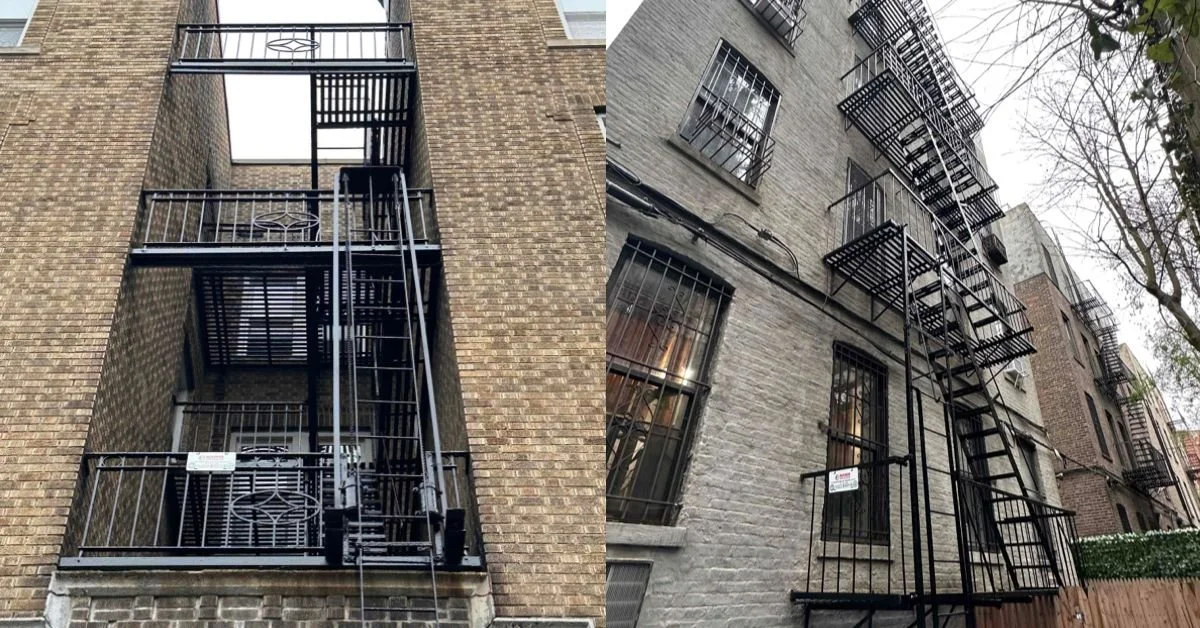
Consistent, proactive maintenance extends beyond mere compliance with legal mandates; it fundamentally safeguards both the asset's physical integrity and its financial valuation. A property distinguished by meticulously maintained safety features, such as regularly inspected and certified fire escapes, inherently appears more appealing and secure to prospective tenants and potential purchasers.
This diligent upkeep signals responsible ownership and a commitment to rigorous quality and safety standards throughout the property's lifecycle. Such an approach not only preserves immediate marketability but also underpins long-term investment value.
Insurance Implications
Insurance companies also consider a property's condition. Insurers may conduct their own inspections or require proof of compliance with safety codes before issuing or renewing a policy.
Higher Premiums: A property with documented safety violations, including a neglected fire escape, may face higher insurance premiums.
Denial of Coverage: In some cases, an insurer might refuse to cover a property deemed too high-risk.
Claim Disputes: If a fire or injury occurs and the landlord is found to have neglected fire escape maintenance, the insurance company could deny the claim, leaving the owner to bear the full financial burden.
Regular upkeep, therefore, is an investment in the property’s long-term viability and financial security.
Partner With Professionals for Fire Escape Safety
Given the serious legal and financial ramifications, landlords and property managers must approach fire escape maintenance with diligence. Partnering with qualified professionals is the most effective way to manage this responsibility. Experts can conduct thorough inspections, identify potential issues before they become serious hazards, and perform necessary repairs and certifications to keep the property compliant.
By understanding and adhering to these legal obligations, you protect your tenants, your investment, and your reputation. If you have received a violation or want to manage your property's safety proactively, professional fire escape inspection services are available. Contact Maximum Fire Escapes to schedule a consultation and ensure your fire escapes are safe, compliant, and ready to protect lives.