
Why Structural Integrity Matters in Fire Escape Construction
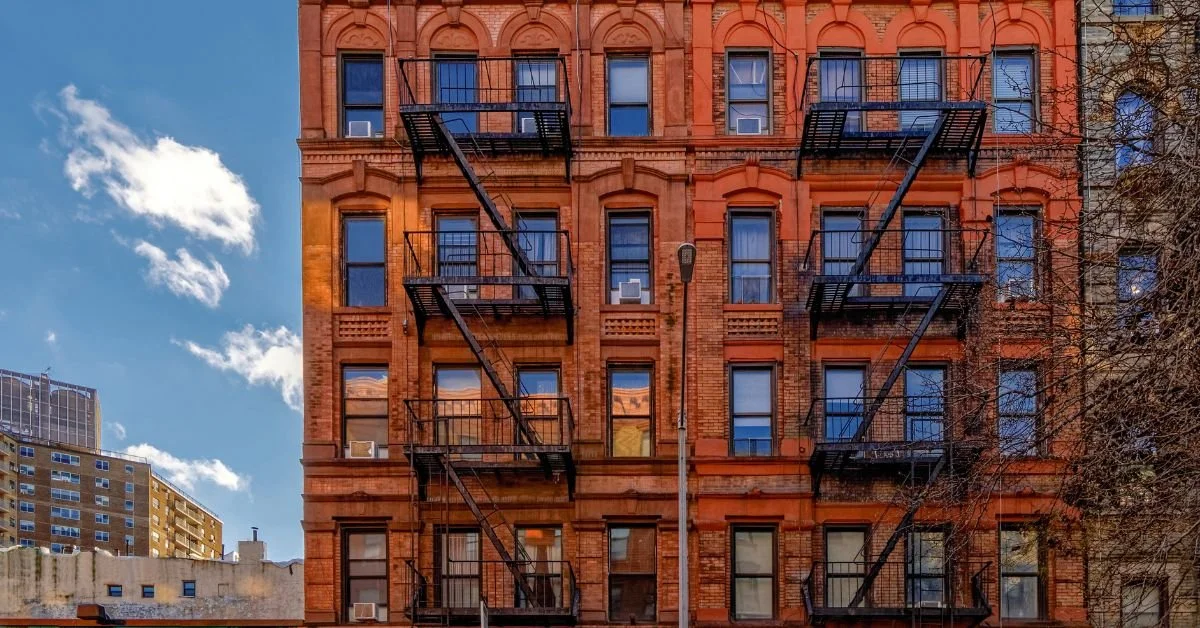
As a property manager or building owner, you carry the heavy responsibility of occupant safety. A central component of this duty involves the fire escape, a structure that must function flawlessly during an emergency. Maintaining a fire escape's structural integrity goes beyond simple maintenance; it requires a deep understanding of materials, load-bearing capacities, and environmental effects.
Therefore, understanding why structural integrity matters in fire escape construction is fundamental to protecting lives and properties. Keep reading as we guide you through the core reasons structural soundness is non-negotiable for these life-saving structures.
It Maintains Code Compliance
Building codes, including the International Fire Code (IFC), establish minimum safety standards. These regulations mandate that fire escapes receive certification every five years, a process that includes a thorough examination of the structure's soundness.
Key Compliance Elements:
Regular Inspections: Professional inspections identify potential failures before they become catastrophic. An inspector evaluates all components, including treads, platforms, railings, and connections to the building.
Load Capacity: A fire escape must support the weight of numerous people evacuating at once. Structural integrity confirms the system can handle this load without buckling or collapsing.
Material Condition: Inspections check for corrosion, rust, and metal fatigue. Compromised materials directly weaken the entire structure, posing a direct threat to safety.
Legal Compliance Requirements
Compliance with fire escape regulations isn't just a suggestion. It's a critical duty that protects lives and prevents legal issues. Building codes and safety regulations set specific rules for everything from design and installation to load capacity and railing height. These standards, which vary by location, require regular inspections by licensed professionals to ensure compliance with code.
Ignoring these rules can lead to heavy fines, lawsuits, and a higher risk of accidents. By complying with these regulations, property owners protect residents and fulfill their legal and ethical obligations. A well-maintained fire escape is a clear sign of this commitment to safety.
It Prevents Catastrophic Failures
Many fire escapes in service today are over a century old. Exposure to decades of rain, snow, and temperature fluctuations causes metal to degrade. Rust and corrosion eat away at connections and support elements, weakening the structure from the inside out. Without proper upkeep, a fire escape can become a hazard.
A sudden failure under the weight of evacuating residents can have devastating consequences. The primary reason for these failures is a loss of structural integrity. Regular evaluations and proactive repairs, such as welding weakened joints, address these issues. Addressing corrosion and reinforcing connections restores the fire escape’s ability to perform its function.
Common Fire Escape Issues
Fire escapes are crucial for safety, but can develop problems over time without proper maintenance. Here are some of the most common issues:
Corrosion: Exposure to rain, snow, and humidity causes metal to rust and weakens the structure. For example, rusted stairs can become brittle and unsafe to use.
Loose Bolts and Connections: Regular wear and tear or poor upkeep can lead to loose bolts and damaged connections. These small issues can escalate into major safety hazards if left unaddressed.
Debris Accumulation: Leaves, dirt, or trash may accumulate and block the pathway, making it harder to use in an emergency. Regular cleaning is essential to keep the fire escape clear and functional.
Paint Deterioration: Chipped or peeling paint exposes the underlying metal to weathering. This not only detracts from your building's appearance but also accelerates corrosion.
Solutions
Regular inspections and timely repairs help keep your fire escape safe, reliable, and ready when you need it. For instance, a fresh coat of weather-resistant paint can protect the metal from rust and extend its lifespan.
It Protects Property Value
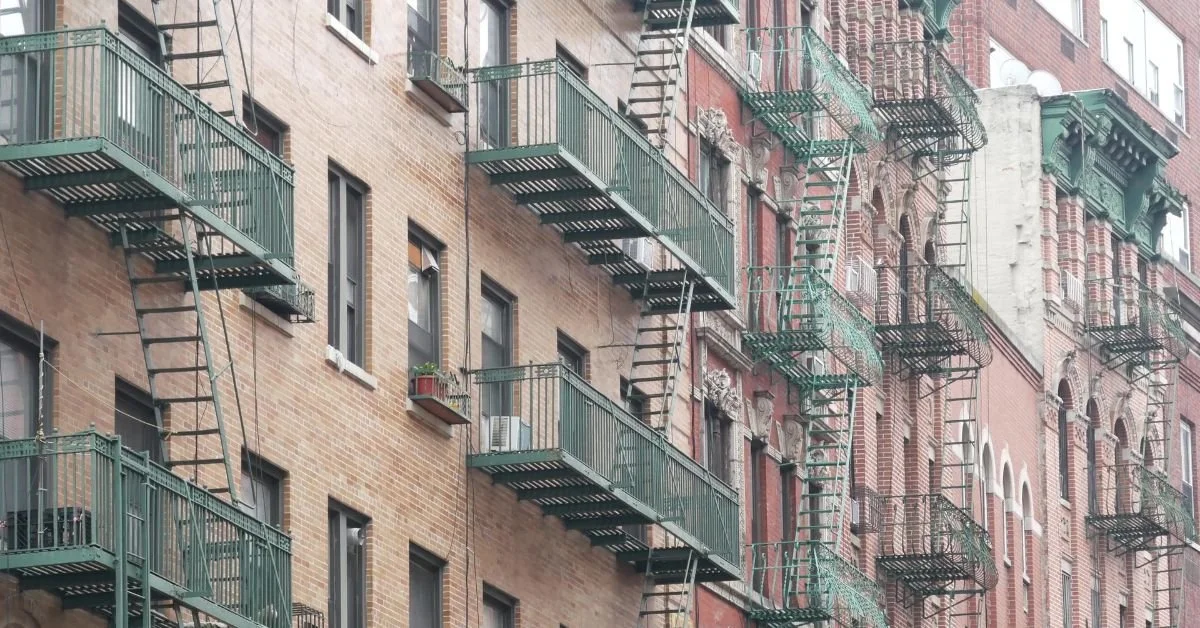
A well-maintained, structurally sound fire escape is an asset to your property. Prospective tenants and buyers recognize a functional fire escape as a sign of a responsible and safety-conscious property owner. This perception can directly influence tenant retention and property desirability.
A fire escape that shows signs of corrosion or damage can really take away from the building's charm and might suggest neglect. This could impact your property's value and make it a bit harder to find and keep tenants. By taking good care of your fire escape and ensuring it's secure, you're not only protecting everyone inside but also safeguarding the value of your investment.
Enhancing Property Appeal
Investing in the structural integrity of your fire escape protects not just the people inside, but also the value of your investment. A well-maintained fire escape can even become a unique selling point, demonstrating your commitment to safety and quality.
For prospective tenants or buyers, this visible sign of care can be a deciding factor, suggesting that the entire property is managed with the same high standard. It adds to the building's aesthetic, turning a functional necessity into an architectural feature that enhances curb appeal and sets your property apart in a competitive market.
It Reduces Long-Term Costs
Addressing minor structural issues as they arise is far more cost-effective than dealing with a major failure. Small patches of rust or loose connections can often be repaired at minimal expense. However, allowing these problems to fester can lead to widespread corrosion and systemic weakness, potentially necessitating a full replacement.
The Cost of Neglect
For example, replacing an entire fire escape can cost tens of thousands of dollars, whereas regular maintenance might only require a few hundred dollars annually. Proactive maintenance and repairs extend the life of a fire escape. By catching and correcting minor problems early, you avoid the much larger expense of a complete overhaul.
Preventative Care
Think of it as preventative care for your building; a small investment now prevents a substantial financial burden later. The fact that structural integrity matters in fire escape construction and maintenance means that focusing on it from the beginning saves money over the building's life.
Your Path to a Safer Property
Ensuring the structural safety of your fire escape protects your tenants, investment, and peace of mind. Regular inspections and timely repairs are not just a matter of compliance; they are a fundamental part of responsible property management. By working with professionals who understand the nuances of fire escape construction, you can address any violations and fortify your building’s safety systems for years.