
When Rust Turns Dangerous on a Fire Escape Frame
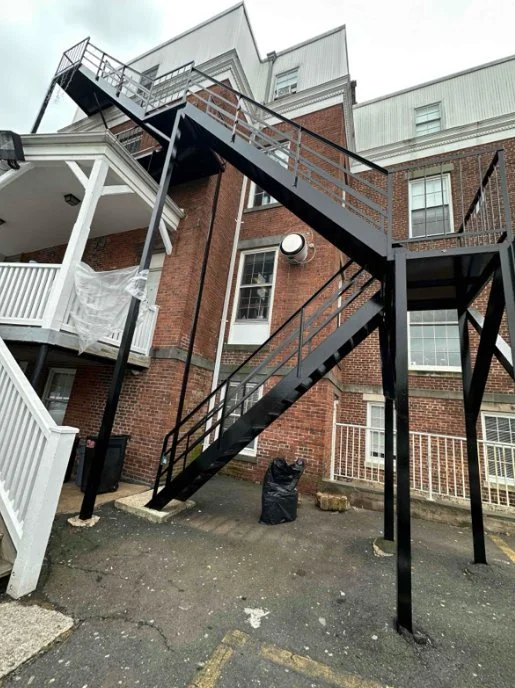
Rust is common on older fire escapes, especially structures exposed to years of rain, snow, and temperature changes. A small patch of surface corrosion may seem cosmetic, but deeper deterioration can weaken the metal beneath the paint and change how the frame carries weight.
Property owners and managers should know how to tell ordinary surface rust from corrosion that may point to structural damage.
Understanding when rust on a fire escape frame turns dangerous can help owners act before weakened areas spread or lead to larger repair needs.
Why Rust Deserves a Closer Look
Rust begins when moisture and oxygen reach exposed metal. Once corrosion takes hold, it can continue spreading under old paint or in areas where water collects.
That makes surface appearance unreliable. A rust spot may look minor from the outside while deterioration has already reached a connection, weld, or underside of the frame.
Age adds another concern. Many fire escapes have been in place for decades, giving weather damage plenty of time to build up. If you manage an older building, inspect spreading rust before you assume the frame is still sound.
Surface Rust and Structural Corrosion Aren’t the Same
Surface rust affects the outer layer of metal. It may show up as discoloration, light scaling, or small areas where paint has begun to fail.
Structural corrosion goes deeper. As metal deteriorates, it can lose thickness and strength, especially when the affected area supports a platform, stair section, railing, or connection to the building.
Property owners usually cannot judge corrosion depth from ground level. Even a close visual review may miss damage along the underside of framing or inside welded connections.
A professional inspection provides a clearer picture of how far the rust has progressed and which areas may need repair.
Where Rust Often Creates Greater Concern
Some parts of a fire escape are more vulnerable than others. Moisture can settle around joints, seams, and places where metal components meet.
Owners should pay closer attention when rust appears around:
Welded connections between structural sections
Support brackets attached to the building
Framing beneath platforms
Stair stringers or other load-bearing sections
Corrosion in these locations deserves prompt review because each area helps support or stabilize part of the fire escape. Rust near a structural connection may be more concerning than a small patch on a less critical surface.
Flaking Metal Can Point to Deeper Deterioration
As corrosion advances, rust becomes increasingly recognizable. Metal may begin to develop a flaky texture, form surface scales, or develop pits that weaken its integrity.
These signs typically indicate that corrosion has progressed beyond mere discoloration; heavy scaling can significantly reduce the amount of intact metal, while pitting creates localized material loss that can compromise structural strength.
Owners should also be alert for paint that starts to peel away in sheets or reveals uneven, corroded metal beneath. Since paint often conceals underlying corrosion, visible damage may only show part of the problem, hiding more extensive deterioration underneath.
Scraping or painting over damaged areas will not restore lost metal or fix the underlying issues. When corrosion has extensively weakened a structural frame, you may need to perform structural repairs or reinforcement before considering surface treatments or repainting.
Welded Connections Need Careful Evaluation
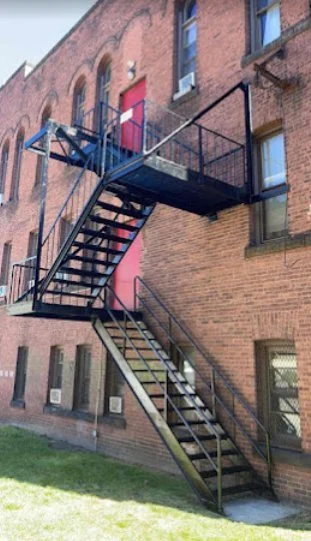
Fire escapes rely on welded connections to join platforms, stairs, railings, and other structural sections into one working system.
Corrosion around a weld can affect the surrounding metal and make the connection less dependable. Cracks, movement, or visible separation near corroded welds raise greater concerns because they can change how forces move through the frame.
Owners cannot rely on appearance alone to judge condition. A fire escape service company with structural welding experience can assess damaged areas and identify where repairs may restore strength.
Rust Can Spread Beyond the First Visible Area
Corrosion rarely stays limited to the first spot an owner notices. Moisture may reach nearby seams or collect under framing, allowing rust to spread into less visible parts of the structure.
That spread can make delayed repairs more complex. As deterioration advances, a small weakened section may begin to affect nearby connections.
Owners who notice expanding rust, loose scaling, or repeated paint failure should schedule an inspection instead of waiting for the next visible change. Early evaluation helps determine where corrosion starts and how much of the frame it affects.
Signs That Call for Professional Review
Property owners don’t need to diagnose structural problems on their own. Instead, they can watch for signs that let them know a more detailed inspection may be needed.
Look for warning signs like:
flaking when lightly touched
deep pits
movement at welded joints
corrosion around support areas
If rust keeps returning after coating, it may also indicate underlying issues that need attention. These signs don’t necessarily mean the whole fire escape needs replacing.
A professional assessment can determine whether the damage is repairable or requires more extensive repairs.
Inspection Helps Define the Repair Scope
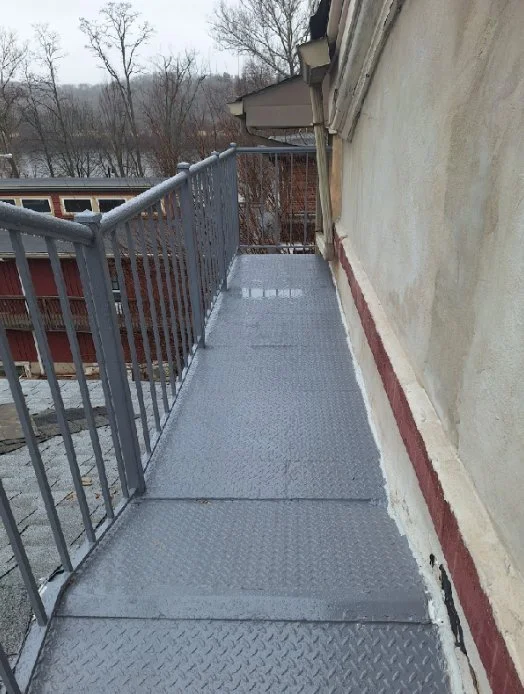
A professional fire escape inspection looks beyond surface appearance. Inspectors can evaluate structural sections, welded areas, support points, and other locations where corrosion may affect strength.
That review helps determine whether the rust is still superficial or has begun to compromise the frame. Owners can then plan repairs based on the structure’s actual condition rather than assumptions.
It is also important to follow the International Fire Code requirement for fire escape examination and certification every five years. That recurring review gives property owners another opportunity to identify corrosion before it progresses.
Know When Rust Has Become a Structural Problem
The danger level of rust on a fire escape frame depends on how deep the corrosion is and its location. Rust near critical support areas needs quicker action than minor surface discoloration. Owners should seek professional advice when corrosion causes the metal to flake, pit, weaken welds, or deteriorate near structural supports.
At Maximum Fire Escapes, we help building owners, property managers, and real estate professionals with fire escape inspections, repairs, and construction. Our AWS-certified welders can guide you through each step, from inspection to repair.
If you notice rust spreading or are unsure about damage, reach out for an evaluation. A professional inspection can clarify your fire escape’s condition and help you plan needed repairs before corrosion worsens.