
The Hidden Dangers of an Unmaintained Fire Escape
Iron and steel structures hanging off the side of a building often blend into the urban background. You pass them every day without a second glance. Yet these emergency exits require rigorous maintenance to function properly during a crisis. Ignoring the condition of these structures exposes property owners and tenants to significant risk.
Most property managers assume their fire escapes will hold up indefinitely because they are made of metal. This assumption leads to negligence. Weather, time, and lack of care degrade the integrity of these systems. When an emergency strikes, a compromised fire escape becomes a trap rather than a safe exit route.
Here are the hidden dangers of an unmaintained fire escape, along with steps to help prevent costly violations and protect the people who rely on these systems for safety.
Rust Compromises Structural Connections
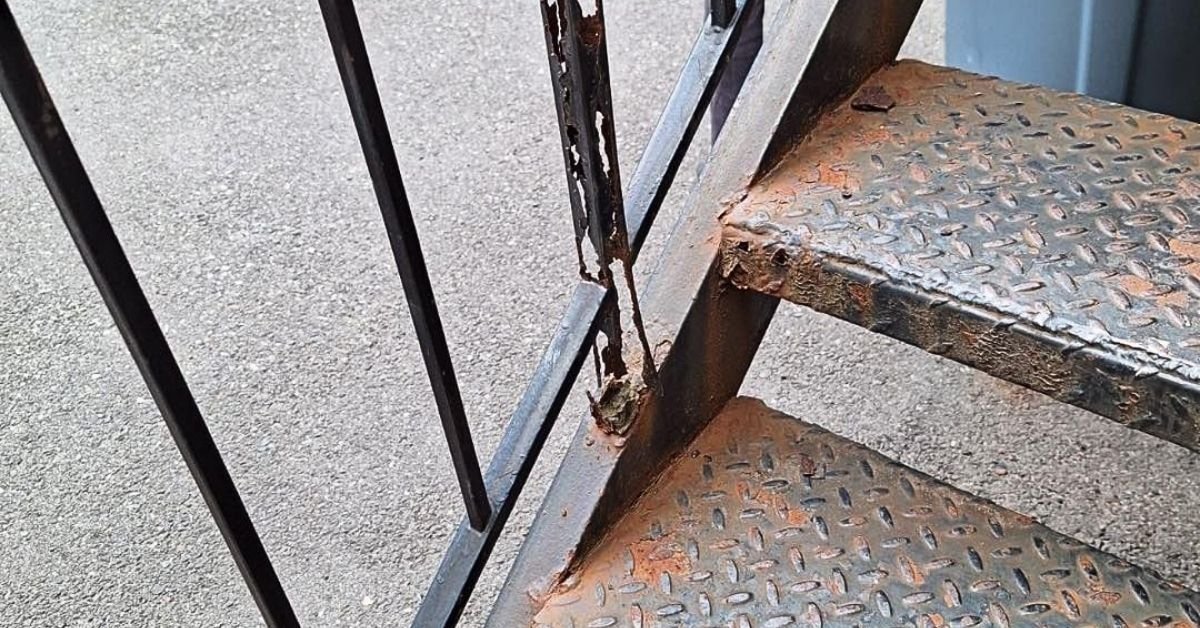
Oxidation is the biggest threat to exterior metal structures. Moisture from rain, snow, and humidity causes rust, which weakens metal over time. While surface rust may seem cosmetic, it often signals more serious structural damage. As rust expands, it creates pressure that can snap bolts and rivets, compromising key connections; if these fail, entire sections of the structure can detach.
Saltwater Acceleration in Coastal Areas
Buildings near the coast experience accelerated corrosion. Salt in the air acts as a catalyst, speeding up the oxidation process. The salty air penetrates crevices that standard rain might not reach.
Owners of coastal properties must maintain a strict inspection schedule. The metal degrades much faster in these environments, turning a small spot of rust into a severed connection in a fraction of the time it would take in inland conditions.
International Fire Code Compliance Mandates
Building codes are designed to enforce safety standards, and fire escapes are subject to strict regulations. The International Fire Code (IFC) dictates specific requirements for the maintenance and examination of these structures. Ignoring these codes results in violations, fines, and potential legal action if an injury occurs.
The IFC operates on a clear schedule. You cannot simply install a fire escape and forget about it. Code enforcement officers look for evidence of recent inspections and proper upkeep. A violation notice often serves as the first wake-up call for many owners, but reactive maintenance always costs more than proactive care.
The Five-Year Examination Rule
The 2021 International Fire Code, specifically Section 1104.16.5.1, sets a hard deadline for safety checks. It states that fire escape stairways and balconies must undergo a structural adequacy and safety examination every five years. A registered design professional or a qualified party acceptable to the fire code official must conduct this exam.
This rule eliminates guesswork. You must have a report on file every five years. This report confirms that the structure can support the required loads and functions as intended. Failure to produce this report constitutes a code violation. Maximum Fire Escapes, established in 2011, helps owners stay ahead of this requirement by offering free inspections nationwide to identify issues before the city issues a fine.
Why Cosmetic Fixes Mask Serious Issues
Some contractors or handymen might suggest a quick coat of paint to make the fire escape look presentable. This approach can be dangerous. Painting over rust does not stop the corrosion; it merely hides it. The metal continues to rot beneath the paint, weakening the structure while giving a false impression of safety.
Proper restoration requires removing the corrosion first. You must remove aspects of rust before applying any new coating. Furthermore, the type of paint matters. You do not need multiple layers or clear coats. A healthy, single coat of high-quality paint, such as Rust-Oleum, provides the necessary protection against the elements.
The License Plate System
A legitimate maintenance schedule requires tracking. One effective method is to place a "license plate" on the fire escape after it has been painted and maintained. This tag displays the date of the last painting and maintenance.
Since state rules typically require painting and recertification every five years, this visual marker alerts inspectors and owners immediately when the structure is due for service. It removes ambiguity and keeps your building compliant with the five-year cycle.
The Welding Advantage Over Bolting
Restoring older fire escapes requires specialized techniques to maintain their strength. Many of these structures, now 80 to 100 years old, are classified as "pre-existing non-conforming." They don’t need to meet modern dimensional codes, but still must remain structurally sound.
Some repair services replace rusted rivets with standard bolts, which can weaken the structure. Drilling for bolts removes material, introduces new points for rust, and compromises durability.
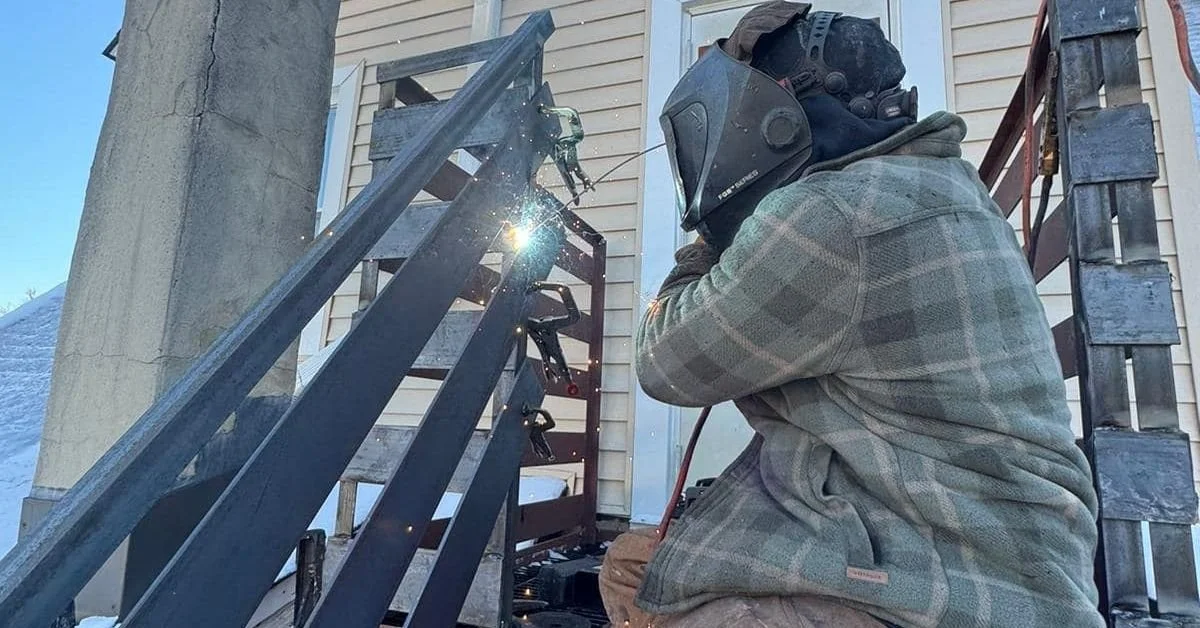
Welding is a better solution. Maximum Fire Escapes exclusively uses welding to repair and reinforce fire escapes. Welding fuses the iron, restoring its original strength without damaging the surrounding material. This seamless method eliminates bolts and ensures longer-lasting repairs.
Financial Liabilities of Deferred Maintenance
Putting off repairs seems like a money-saver in the short term. However, the cost of neglect compounds quickly. A small patch of rust on a bracket generally costs little to fix today. However, if you leave that rust patch for an extended period of time, that bracket may fail, causing the platform to sag, or worse, causing the anchor to pull out of the brick and potentially bring down a flight of stairs.
Full replacement of a fire escape costs significantly more than restoration. By addressing the hidden dangers of an unmaintained fire escape early, you preserve the original structure. Restoration is the cheapest long-term solution. It keeps the building safe without the significant capital expenditure required to fabricate and install a new system.
Warranty and Long-Term Value
Quality workmanship should come with a guarantee. When you invest in a complete restoration, you should expect it to last. Maximum Fire Escapes offers a 25-year limited warranty on structural repairs, provided the owner adheres to the maintenance schedule. This warranty remains valid as long as you paint and inspect the structure every five years. This arrangement incentivizes regular upkeep, protecting both the physical asset and your financial investment.
Avoiding Subcontractor Risks
The fire escape industry is a niche field, and few companies have the specialized expertise to manage these structures effectively. Some general contractors may accept a project only to subcontract it out to uncertified third parties.
In-House Expertise
We recommend a partner who handles every step of the process in-house, from the initial inspection to the final weld. Keeping the work within a single company ensures accountability.
Protecting Your Investment and Tenants
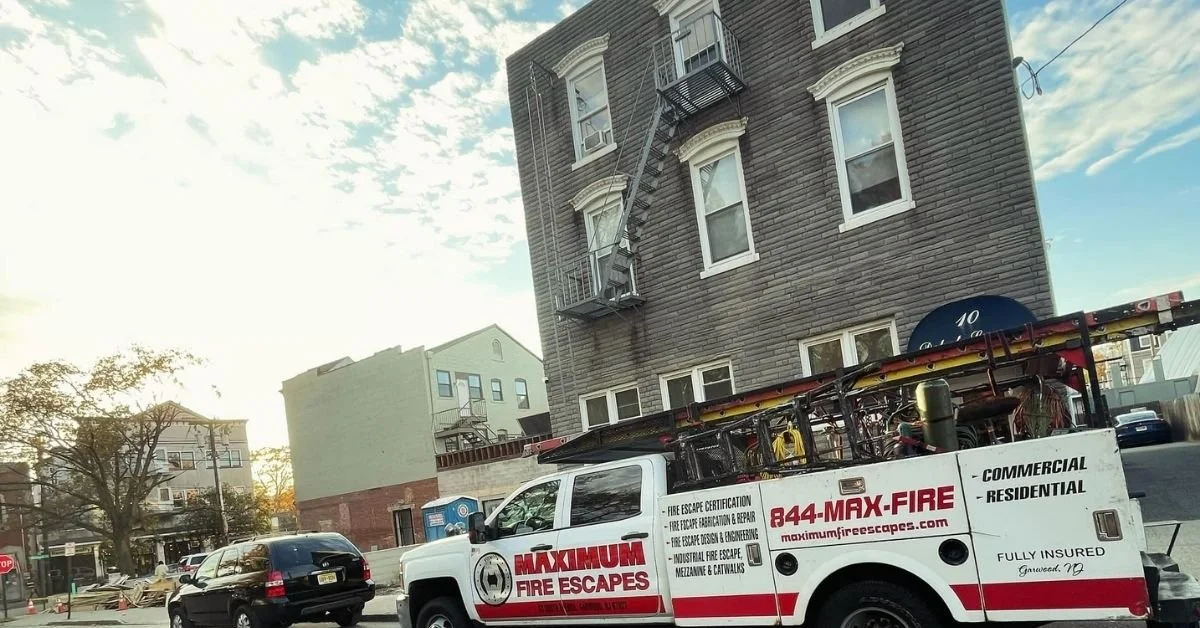
At Maximum Fire Escapes, our team of AWS-certified welders performs all services in-house, ensuring direct oversight and unparalleled quality control on every project, nationwide.
A failing fire escape is a severe liability. In emergencies, owners are responsible for their performance. Proactive maintenance ensures safety, shows responsibility, and avoids costly repairs or violations.
Take a proactive stance. Look at your fire escape today. Do you see orange streaks? Do the steps look uneven? Check for a paint date. If you cannot find one, or if the date is more than five years old, you need to act. Securing a fire escape certification confirms that your building meets the IFC requirements and stands ready to protect your tenants. Don't wait for a violation to tell you what you already know. Maintenance is the key to safety.