How Scraping and Painting Can Extend Fire Escape Lifespans
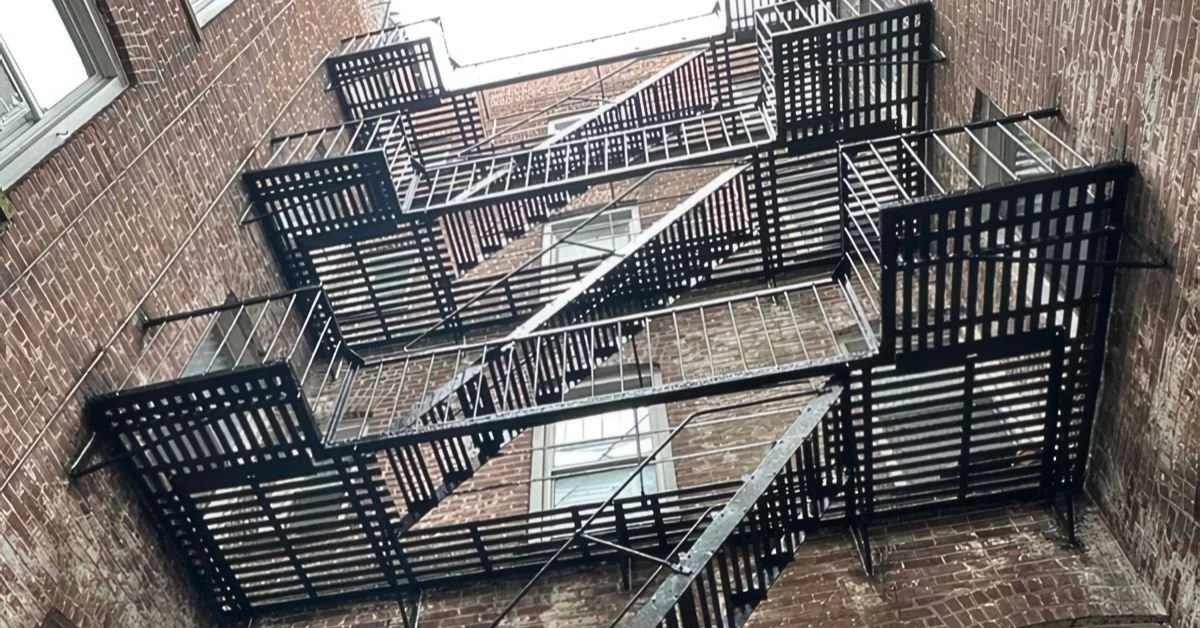
Rust relentlessly attacks exterior steel structures. Moisture and oxygen combine to degrade the structural integrity of fire escapes, creating safety liabilities and code violations for property owners. Neglecting this deterioration leads to costly repairs or full-system replacements.
A proactive approach involves removing corrosion and applying protective coatings before structural damage occurs. Understanding how scraping and painting can extend the lifespan of fire escapes enables building owners to maintain safety standards and preserve capital.
The Chemistry of Corrosion on Exterior Steel
Steel oxidation happens naturally when iron reacts with oxygen and water. This reaction produces hydrated iron oxide, commonly known as rust, whereas copper oxidation forms a protective patina. Steel rusts and flakes off, exposing fresh metal to the elements. This cycle continues until the structural member loses significant thickness and load-bearing capacity.
Protective coatings are the first line of defense against corrosion, serving as a barrier that prevents moisture and oxygen from reaching the steel. However, coatings degrade over time due to UV exposure, thermal expansion, and abrasion. Cracks or peeling allow corrosion to begin, spreading rust under the paint and causing it to bubble and flake.
Regular maintenance breaks this cycle. Removing corrosion to a stable surface and applying new coatings restores the barrier, preserving the steel and preventing further damage.
Surface Preparation Standards Determine Longevity
Simply painting over rust will not stop corrosion; oxidation will continue beneath the surface, causing the new coating to fail. Effective maintenance depends on rigorous surface preparation in accordance with industry standards, such as those from the Society for Protective Coatings (SSPC).
Technicians must remove loose rust, peeling paint, and mill scale. Hand tool cleaning (SSPC-SP 2) uses scrapers and wire brushes to remove localized corrosion or hard-to-reach areas. For more aggressive stripping, power tool cleaning (SSPC-SP 3) uses sanders, grinders, and needle guns.
The primary objective is to create a solid surface for primer adhesion where necessary. While tightly adhered rust or paint might be permissible under specific standards, removing as much contamination as possible ensures better, longer-lasting results. A clean, rough surface profile allows the primer to form a strong mechanical bond with the metal.
Addressing Lead Paint Hazards During Scraping
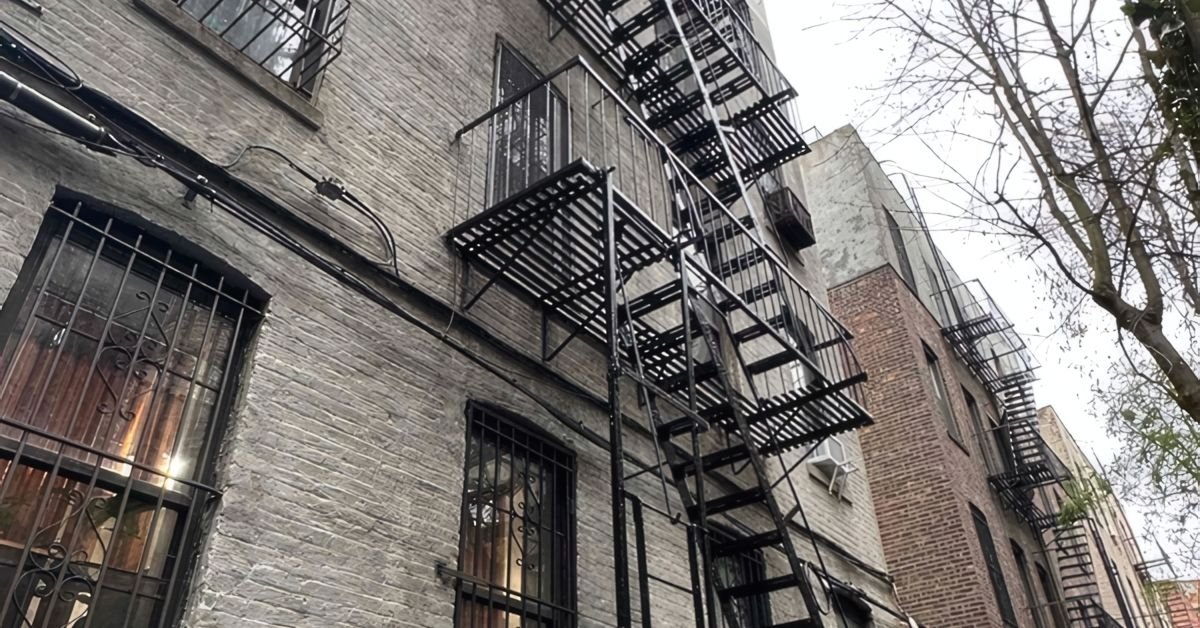
Many older fire escapes are coated with lead-based paint. Scraping and sanding these surfaces may generate hazardous lead dust, posing severe health risks to workers and building occupants. To mitigate these risks, the EPA’s Renovation, Repair, and Painting (RRP) program mandates specific safety practices for buildings constructed before 1978.
Certified contractors are to establish containment areas using plastic sheeting to capture debris and seal windows, preventing dust from entering the building. Workers must use power tools equipped with HEPA vacuum attachments to capture dust at the source, and post warning signs to alert residents of the work zone.
Adhering to these regulations is crucial to protecting public health and shielding property owners from liability, as non-compliance can result in significant fines and legal action. Proper containment also simplifies cleanup and prevents soil contamination from paint chips.
The Importance of Spot Priming Exposed Steel
Scraping exposes bare metal. Leaving this steel unprotected allows flash rust to form within hours, especially in humid conditions. Spot priming after scraping seals the metal and establishes a foundation for the paint.
High-quality rust-inhibitive primers contain pigments that actively fight corrosion. These primers sacrifice themselves chemically to protect the steel or form a dense barrier that blocks moisture. Technicians apply the primer to all bare areas, overlapping onto the existing sound paint to seal the edges.
Application of Contrasting Color Coats
Effective coverage depends on applying the correct film thickness. Missing spots or applying coatings too thinly create weak points where rust can penetrate. Utilizing contrasting colors for each coat helps applicators verify complete coverage.
This visual aid helps inspectors and owners assess the quality of the work. It ensures the steel receives the complete protection intended by the coating manufacturer. Multiple layers build up a robust barrier that withstands weathering and physical wear.
Sealing Connections to Prevent Water Intrusion
Water accumulation accelerates corrosion. Fire escapes have numerous crevices, joints, and connections where moisture can accumulate. Structural connections to the building’s wall represent critical vulnerability points. Water seeping into these areas causes rust jacking, where the expanding rust forces the steel apart or damages the masonry.
During painting, technicians should apply sealants to these gaps. Silicone or polyurethane caulking prevents water from entering the connections. Sealing the interface between the fire escape and the building’s facade protects the anchor points.
Attention to these details extends the life of the entire system. Preventing water ingress reduces the frequency of major repairs and keeps the structural components intact.
Scheduling Maintenance to Avoid Violations
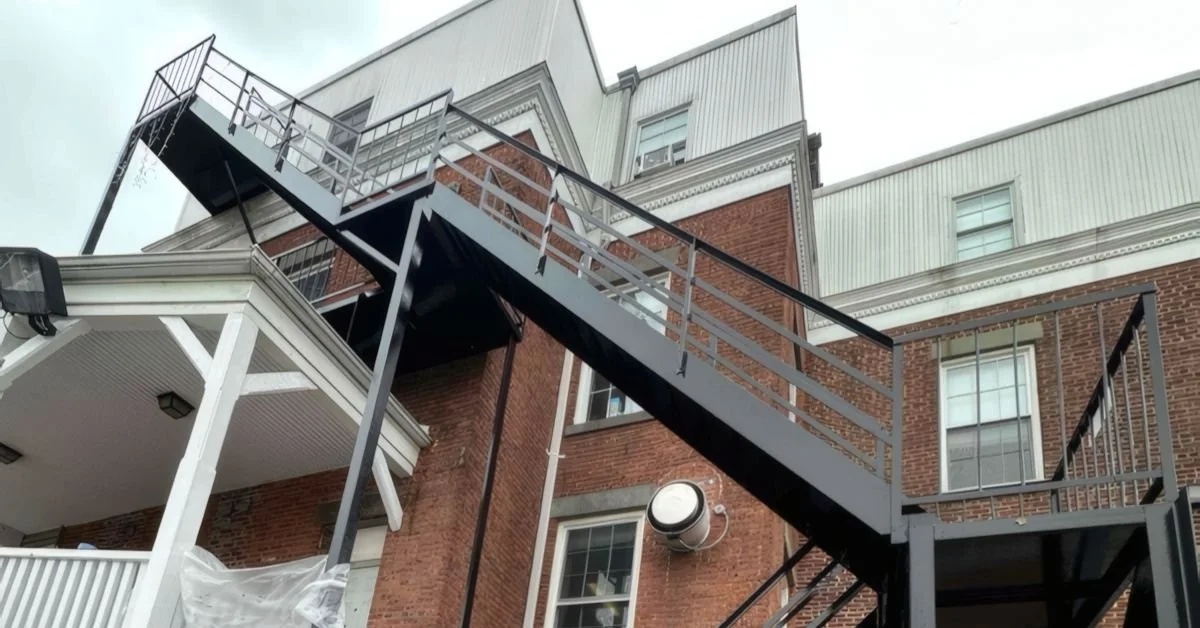
Fire escape inspections are conducted on set cycles, typically every five years, depending on the local jurisdiction. Inspectors look for rust, peeling paint, and structural defects. Visible corrosion triggers violations that carry fines and require immediate correction.
Implementing a proactive painting schedule helps ensure the fire escape remains compliant. Building owners should not wait for an inspection order to address deteriorating paint. Addressing minor rust spots as they appear requires less effort and money than blasting and repainting the entire structure later.
Regular maintenance cycles demonstrate a commitment to safety. They provide documentation of care in the event of liability claims. Keeping the fire escape visually appealing also improves the property value and curb appeal.
Choosing the Right Coating System
Not all paints withstand the harsh conditions fire escapes face. Exterior steel requires industrial-grade coatings to protect the metal. Oil-based alkyd enamels offer durability and good adhesion to imperfectly prepared surfaces. However, they harden over time and may crack.
High-performance acrylics and urethanes provide flexibility and color retention. These coatings expand and contract with the metal during temperature fluctuations, reducing the risk of cracking. They also resist UV degradation better than alkyds.
Consulting with a professional helps determine the best system for the specific environment. Coastal-area properties exposed to salt air require different specifications than inland buildings. Selecting the appropriate product maximizes the interval between repainting.
Secure Your Property's Safety Compliance
Rust never sleeps, but property owners can stay ahead of it by understanding how scraping and painting can extend the lifespan of fire escapes. Removing corrosion, containing hazards, and applying high-performance coatings keep the structure sound.
Delaying maintenance only increases the scope of work required later. Inspect your fire escape today and formulate a plan to address these issues before they compromise structural integrity.
Contact a fire escape service company to evaluate the condition of your exterior steel and implement a restoration plan. Prioritizing this maintenance ensures the property's safety for years to come.