How Long Do Fire Escape Repairs Take? A Timeline Breakdown
Building owners and property managers often dread receiving a violation notice. A city inspector flags the steel structure clinging to the side of your building, and suddenly, you face a countdown.
The repair timeline for a fire escape depends on factors such as the extent of corrosion, engineering requirements, and local regulations. A simple welding fix is very different from a complete structural overhaul. Understanding how long fire escape repairs take is essential for budget planning, tenant notifications, and compliance deadlines to avoid costly fines. Here's a clear timeline breakdown to help you stay ahead.
The Initial Assessment Phase
The clock starts ticking the moment you recognize a problem, but the actual work begins with a professional assessment. You cannot fix what you have not identified. Most reputable fire escape companies offer free inspections to determine the scope of work. This phase may typically take one to two weeks, depending on scheduling availability and building size.
During this stage, a specialist conducts a structural examination, identifying rusted connections, compromised anchors, missing treads, and other structural weaknesses that could lead to failure in an emergency.
Following the inspection, the contractor provides a detailed report outlining all necessary repairs required to comply with the International Fire Code (IFC) and local ordinances, along with a specific quote and projected timeline. This thorough assessment is crucial because it lays out the foundation for the entire project and helps prevent unexpected delays.
Engineering and Permitting Delays
Paperwork often consumes more time than the physical labor. After you approve the proposal, the project moves into the engineering and permitting phase. This stage is notorious for variability. It can take anywhere from two to six weeks, sometimes longer in major metropolitan areas with backlog issues.
Your contractor’s in-house engineers create detailed drawings of the proposed repairs. These plans must demonstrate how the restored structure will meet safety standards. Since fire escapes are pre-existing non-conforming structures, they do not need to meet modern code requirements for new construction, but they must be structurally sound. The engineer calculates loads and specifies welding details.
Once the drawings are ready, they go to the city’s building department. Municipal review times vary wildly. Some cities process permits in a few weeks; others take months. You have little control over this part of the timeline. However, working with a company that handles engineering in-house often streamlines the process; they know exactly what local officials look for, reducing the chance of rejection and subsequent revisions.
Material Fabrication and Preparation
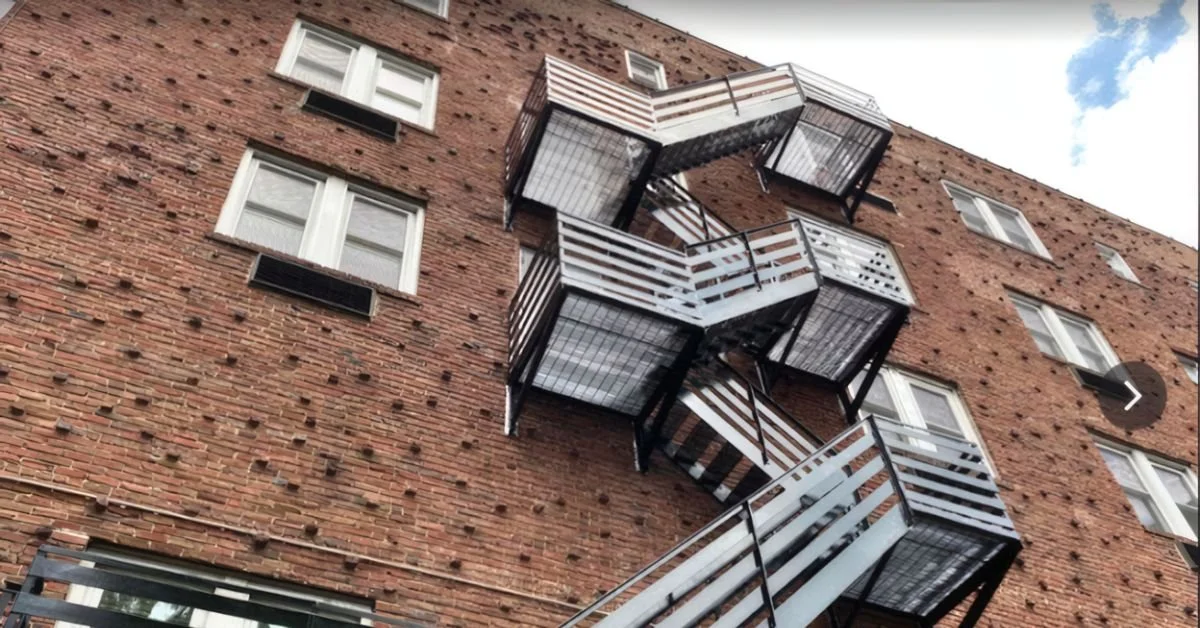
While permits are reviewed, contractors begin fabrication, typically lasting 2–4 weeks. Vertically integrated companies avoid delays by managing fabrication in-house.
Steel components such as treads, railings, and supports are precisely prepared for welding, ensuring everything is ready when permits are approved. Complex projects, such as historic rebuilds, may take longer to meet aesthetic standards while maintaining structural integrity and minimizing on-site disruption.
On-Site Repair and Welding Duration
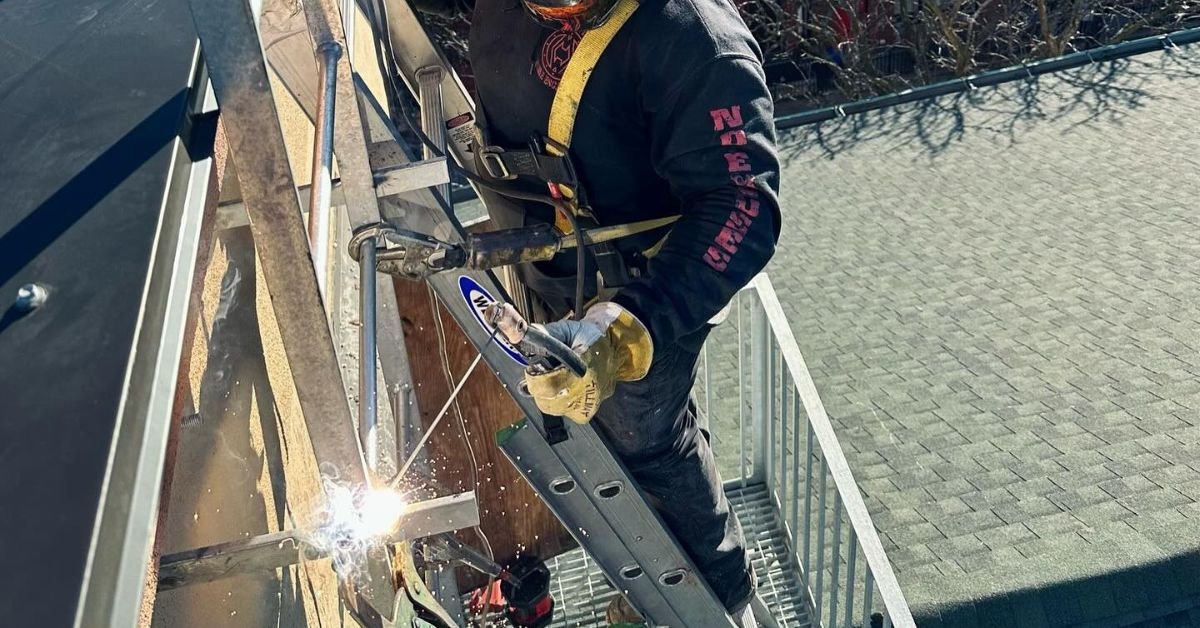
The physical repair phase is often the most visible to the customer. Crews remove corroded sections and restore structural continuity through welding rather than simple bolt replacement. Welding creates a superior, permanent bond that mechanical fasteners cannot match. This precision work requires skilled labor and favorable weather; heavy rain or extreme cold can delay operations.
Safety is paramount. Teams secure the area to protect pedestrians and tenants and work systematically to address critical violations first. While extensive damage extends the timeline, a vertically integrated team avoids subcontracting delays, ensuring a streamlined workflow.
The Painting and Protection Schedule
Protecting repaired steel is essential for longevity. At Maximum Fire Escapes, our technicians manually or mechanically prepare the surface by scraping away loose rust and old paint. We avoid power washing, as that traps moisture in crevices and accelerates corrosion. A single, high-quality coat of a professional-grade product like Rust-Oleum provides a functional barrier against the elements. We avoid clear coats and excessive layering to avoid obscuring future inspections.
Since local regulations often mandate painting every five years, this cycle is critical. A freshly painted structure includes a license plate indicating the application date, serving as a visual record for compliance.
Final Inspection and Certification
A project is complete only when the paperwork is finalized. A qualified professional or third-party inspector verifies that all violations are corrected and the structure meets International Fire Code (IFC) standards. Once confirmed, an engineer issues a certification letter. This document is submitted to the city to clear violations. Once the municipality accepts the certification, the structure is officially compliant and safe.
Factors That Extend the Timeline
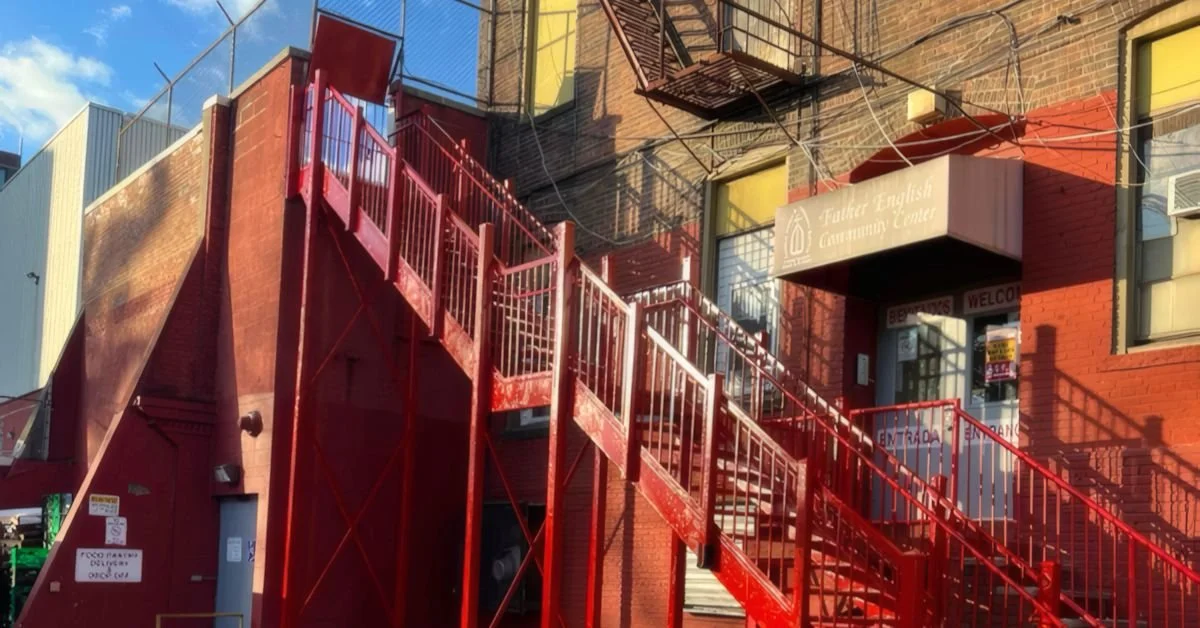
Several variables can impact the schedule. Weather is the most significant factor, as exterior work is sensitive to precipitation and temperature. Additionally, crews may require access to apartments, making tenant cooperation vital.
The complexity of the violation also dictates the duration; minor scraping and painting are fast, while structural reinforcement requires more time. Occasionally, uncovering hidden internal corrosion may necessitate further engineering approval, extending the process.
The Importance of the Five-Year Cycle
Maintaining a strict five-year inspection and painting cycle significantly reduces repair timelines. Neglect leads to deep corrosion, turning a one-week maintenance job into a two-month reconstruction project.
The IFC mandates an examination every five years for a reason. It catches issues before connections rot through. A fire escape that receives scheduled touch-ups and inspections rarely experiences the massive structural failures that trigger lengthy violation repairs.
Sticking to this schedule also keeps your warranty valid. For example, Maximum Fire Escapes’ 25-year limited warranty depends on your compliance with the five-year painting and maintenance rule; failure to comply voids the warranty. Ignoring maintenance often also guarantees that your next repair job will be more costly and time-consuming than it could have been.
Restoring Safety and Compliance
The journey from violation to certification can take anywhere from a few weeks to several months. Don't view these repairs as merely a hurdle to clear. They represent a commitment to the safety of everyone in your building. A secure, certified fire escape provides a necessary exit in the event of a disaster.
If you receive a violation notice or you are approaching your five-year inspection window, take action now. Delaying only extends the timeline and increases the cost. For a partner who handles every step of the process without subcontractors, consider fire escape repair from Maximum Fire Escapes. We bring over a decade of experience to ensure your building remains safe and compliant.