
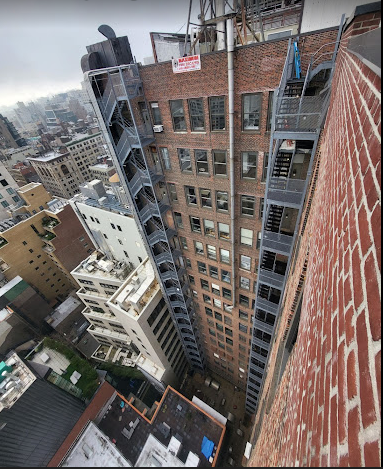
A small area of corrosion or slight movement around a railing may not seem urgent when the rest of a fire escape appears stable. On an aging structure, however, visible wear can point to deterioration developing around connections or less visible sections of steel. The hidden cost of ignoring minor fire escape damage often becomes apparent when a limited repair grows into a larger structural concern.
Many existing fire escapes have spent decades exposed to weather and everyday wear. Knowing what early signs of deterioration can indicate helps property owners address concerns while the repair scope may remain focused.
Minor Damage May Point to a Larger Concern
A fire escape functions as a connected steel structure. Platforms meet stair sections, railings rely on welded connections, and structural supports carry loads throughout the system. Deterioration in one area can eventually influence how nearby sections perform.
Corrosion around a welded connection offers a good example. What looks like surface rust may extend deeper into the surrounding metal. As deterioration progresses, the connection may weaken enough to allow movement, placing greater stress on adjoining steel.
An evaluation can establish how far the problem extends and whether the damage remains concentrated in one area.
Visible Rust Doesn't Show the Full Condition
Not every rusted area presents the same concern. Light surface corrosion differs from deep pitting or material loss, and the steel's appearance doesn't always reveal the extent of deterioration beneath the surface.
Location also matters. Corrosion can develop beneath platform framing or around structural connections that property owners can't easily view during routine property checks. Meanwhile, the more visible portions of the fire escape may continue to look relatively sound.
Once corrosion has weakened the steel, paint can't restore the lost material. Structural repairs may need to address the affected area before painting can provide continued protection against exposure.
Damaged Welds Can Affect Surrounding Steel
Welded connections play an important role in fire escape repairs, especially on structures that have already spent many decades in service. As steel remains exposed to weather and movement, weakened connections can begin showing cracks or separation.
A damaged weld deserves attention even when the surrounding components appear stable. Continued movement around that connection can add stress to nearby metal and gradually affect a wider portion of the structure.
When the existing condition supports repair, structural welding can reinforce the affected area while preserving surrounding steel that remains serviceable. Maximum Fire Escapes' welders perform this type of work regularly on aging fire escapes.
Changes That Deserve a Closer Evaluation
Property owners don't need to determine the severity of structural damage on their own. Certain visible changes, however, provide a good reason to have the fire escape evaluated:
Flaking rust or noticeable pitting in the steel
Movement around railings or welded connections
Shifting within a stair or platform section
Corrosion that returns after earlier painting or repair work
These conditions don't automatically indicate extensive reconstruction. A closer evaluation can show whether the issue remains localized or whether deterioration has spread to adjoining areas
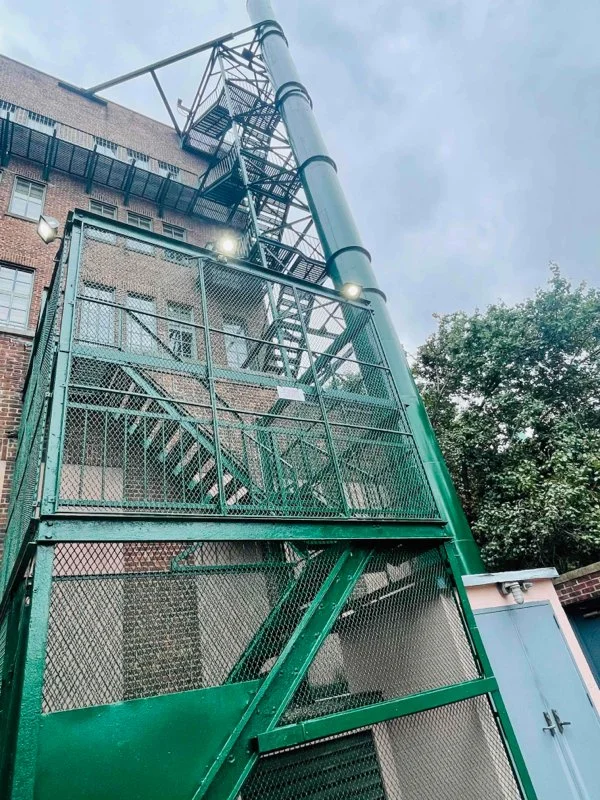
Delays Can Expand the Repair Scope
The cost of fire escape repairs depends largely on the structure's size and condition. When deterioration continues unchecked, the amount of affected steel can change before repairs begin.
A weakened connection, for example, may initially require focused welding. Continued movement can place stress on the steel around that connection, creating a broader repair need. Corrosion can follow a similar progression as moisture continues reaching already compromised areas.
By the time the owner schedules the work, a repair that once involved a concentrated section may extend farther across the structure. More affected steel usually means more time spent addressing the underlying condition.
Deterioration Can Complicate Certification
Repair costs aren't the only concern associated with delayed attention. The condition of a fire escape also matters when the structure reaches its certification cycle.
The International Fire Code requires fire escape examination and certification every five years. Existing fire escapes are pre-existing, non-conforming structures, which means an examination doesn't simply apply current construction dimensions to systems installed decades ago.
Inspectors still need to evaluate the structure's condition. Corrosion, compromised welds, or unstable sections may require repair before certification can move forward. Finding those conditions close to a certification deadline can leave property owners with less flexibility to schedule and complete the work.
Violations Can Add Pressure to the Process
Some property owners don't receive a detailed assessment of their fire escape until a violation calls attention to its condition. At that point, gradual deterioration may require action within an established compliance process.
A violation can change how an owner plans the work. There may be less flexibility to schedule an evaluation, complete structural repairs, and handle the necessary certification steps on a preferred timeline.
Addressing visible deterioration earlier gives property owners greater control over that process. It also provides time to understand the condition before an outside deadline influences repair decisions.
Cosmetic Work Won't Correct Structural Damage
A fire escape's appearance doesn't always match its structural condition. Paint can protect properly prepared, serviceable steel from continued exposure, yet it can't replace material already lost to corrosion. A compromised welded connection also needs structural attention, not a cosmetic covering.
Understanding the source of visible damage can prevent owners from spending money on work that leaves the underlying concern unresolved. A qualified fire escape service company can examine how the damaged area relates to the surrounding structure and identify the appropriate repair scope.
For older systems, that distinction matters. Decades of exposure can leave one section having only minor surface wear while another nearby area requires structural welding.
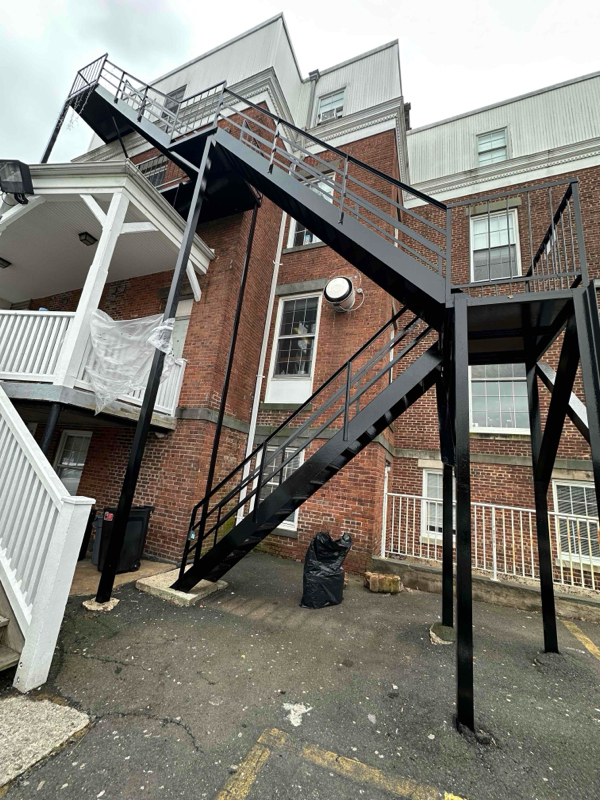
Earlier Attention Can Keep Repairs Focused
The hidden costs of ignoring minor fire escape damage often develop gradually. Corrosion has more time to penetrate exposed steel, while movement around weakened connections can keep stressing nearby areas.
Having the structure evaluated when changes first become noticeable provides a clearer picture of its current condition. If the damage remains localized, the repair may involve a narrower portion of the fire escape than it would after another period of exposure.
Earlier attention also gives property owners more flexibility to plan work around the five-year certification cycle rather than waiting for a violation or approaching deadline to determine the schedule.
Address Fire Escape Damage Before the Scope Grows
Small changes in an older fire escape can be a signal early on that a section needs attention. An evaluation can determine whether the concern involves surface deterioration, a damaged connection, or structural repairs needed before conditions worsen.
At Maximum Fire Escapes, we work with property owners and managers nationwide to inspect and repair aging fire escape systems. Our experience with older structures helps us identify what needs attention while preserving serviceable portions when conditions allow.
If you've noticed changes in your fire escape, contact our team to have the structure evaluated before the damage progresses.