
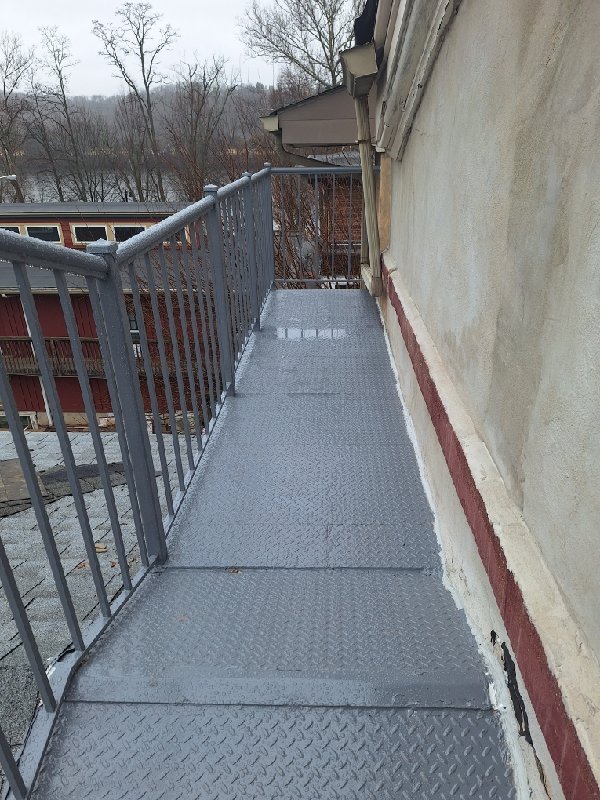
A fresh coat of paint and regular upkeep can make an aging fire escape look dependable. However, appearance alone doesn't tell inspectors much about the condition of its structural connections or its ability to support occupants during an emergency.
Understanding why well-maintained fire escapes can still fail inspections helps building owners distinguish routine upkeep from structural safety. Even when a fire escape shows few visible signs of deterioration, an inspection may uncover concerns that require further evaluation.
Surface Maintenance Doesn't Reveal Structural Conditions
A fire escape can look well-maintained from the street while corrosion develops beneath its platforms or around structural connections. Paint helps protect exposed metal, but it can't restore strength to components that have already deteriorated.
Inspectors examine the supporting framework rather than relying on its outward appearance. They look for weakened connections, deterioration around attachment points, and evidence of structural movement.
Owners who maintain visible surfaces may assume their fire escape remains in good condition. However, an attractive finish reveals little about areas that need closer inspection.
Hidden Corrosion Can Compromise Structural Strength
Corrosion doesn't always appear where property owners can easily spot it. Moisture can settle in and around joints and underneath platforms, allowing rust to develop in areas that receive little attention during routine maintenance.
Over time, corrosion may weaken the metal surrounding these connections. Inspectors assess the depth and location of deterioration to determine whether it affects the structure's load-carrying capacity.
Where Inspectors Commonly Find Hidden Rust
Certain areas deserve closer attention because their location makes deterioration difficult to recognize:
Platform undersides: Moisture can collect around framing and contribute to corrosion beneath otherwise solid walking surfaces.
Support brackets: Rust near building connections may weaken components that help carry the fire escape's weight.
Welded joints: Corrosion around welded connections can conceal deterioration that affects structural stability.
Stair stringers: Rust along supporting members may reduce the strength of individual stair sections.
These conditions don't automatically require replacement. Inspectors assess the extent of the damage before recommending appropriate repairs.
Aging Welds May Show Signs of Weakness
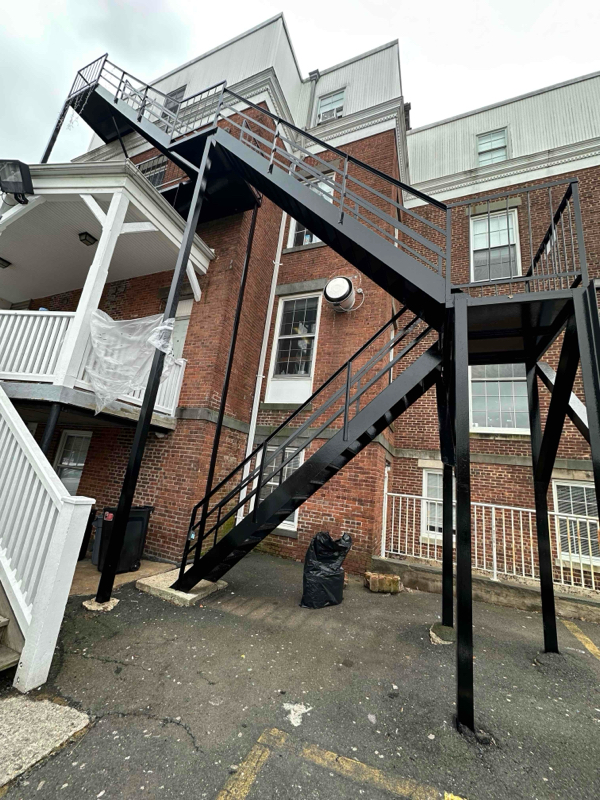
Welded connections help maintain stability throughout a fire escape. Although these joints may remain serviceable for decades, prolonged exposure and structural movement can contribute to deterioration.
An inspection may reveal small fractures near welded seams or movement where structural members meet. Property owners often overlook these conditions because the surrounding metal appears secure.
Inspectors evaluate whether the connections can continue supporting the structure safely. When they identify weakened welds, qualified welders can often address the affected areas through structural repairs.
The condition of these connections matters even when the fire escape receives regular painting and other surface maintenance.
Building Connections Can Develop Problems Over Time
A fire escape depends on its connections to the building for structural support. These attachment points transfer loads into the supporting structure, making their condition an important part of any inspection.
Over time, corrosion or movement around support brackets can affect how securely the fire escape remains attached. Problems may also develop where the surrounding building material has deteriorated.
Inspectors examine these locations for signs of shifting or weakened support. A fire escape may look stable during everyday observation, but its attachment points may still require professional attention.
Building owners should have qualified professionals evaluate suspicious movement rather than testing the connections themselves.
Routine Upkeep Doesn't Confirm Load-Bearing Capacity
A fire escape must support occupants during an emergency, which requires more than intact walking surfaces. Its structural framework must also carry the loads that pass through platforms and stair assemblies.
Routine maintenance can't confirm whether aging structural members still have adequate strength. Even minor-looking deterioration can raise concerns when it affects a load-bearing component.
During an inspection, professionals evaluate the structure's condition and determine whether further examination or load testing is appropriate. Testing requirements depend on the applicable inspection and certification process.
A fire escape that performs well during ordinary use may still require additional evaluation before an inspector can confirm its structural reliability.
Previous Repairs May Not Address Every Structural Concern
Past repair work can improve a fire escape's condition without resolving every underlying problem. An owner may have addressed visible corrosion while deterioration continued in areas that weren't part of the original repair scope.
Inspectors consider the condition of previous weld repairs and surrounding structural members. They also examine whether damage has progressed beyond areas that received earlier attention.
A repair that addressed one weakened connection doesn't automatically confirm the condition of neighboring components.
For property owners, understanding the scope of previous repairs helps explain why another inspection might identify concerns despite a history of maintenance.
Inspection Documentation Can Affect Certification
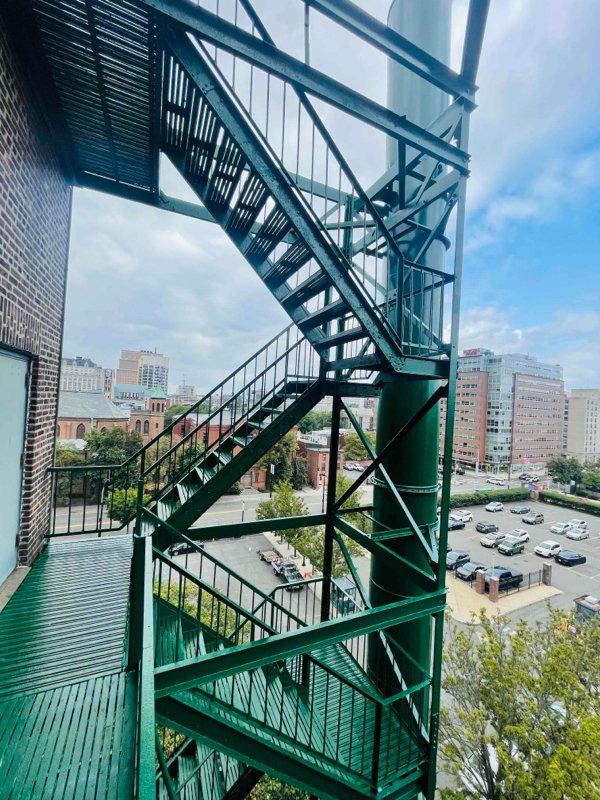
Physical condition represents one part of the inspection process. Building owners may also need documentation that establishes the fire escape's examination history and supports certification requirements.
A fire escape inspection report documents the professional evaluation and identifies conditions that may require corrective work. Inspectors or other qualified professionals can use those findings to guide the next steps toward certification.
Owners should maintain accessible records of previous examinations and completed repairs. Missing documentation can complicate the certification process even when the structure appears well-maintained.
Inspection Findings Help Determine the Next Steps
Understanding why a well-maintained fire escape may fail an inspection allows property owners to address structural concerns without relying on appearances.
An unfavorable inspection finding doesn't always indicate widespread deterioration. Sometimes, inspectors identify a specific welded connection that requires repair or an area of corrosion that needs closer examination.
Other findings may involve multiple structural components, requiring a more extensive repair plan. The appropriate response depends on the location and severity of the damage.
Addressing Deficiencies Before Reinspection
When an inspection identifies deficiencies, building owners should review the findings with qualified fire escape professionals. That conversation can clarify which repairs the structure needs and whether further evaluation is required.
After professionals complete the necessary work, the fire escape may need another inspection before the responsible authority accepts it for certification.
Keeping repair records organized also helps owners document the work and prepare for future inspections.
Keep Your Fire Escape Ready for Its Next Inspection
A well-maintained appearance offers some reassurance, but professional examination provides a clearer understanding of structural safety. Hidden corrosion and weakened connections can go unnoticed until an inspector closely evaluates the fire escape.
If you're preparing for an upcoming inspection or need help addressing a violation, Maximum Fire Escapes can assess your fire escape's condition and recommend the appropriate next steps. Contact our team to schedule a professional evaluation and move forward with confidence.