
What Landlords Should Know About Fire Escape Repair Costs
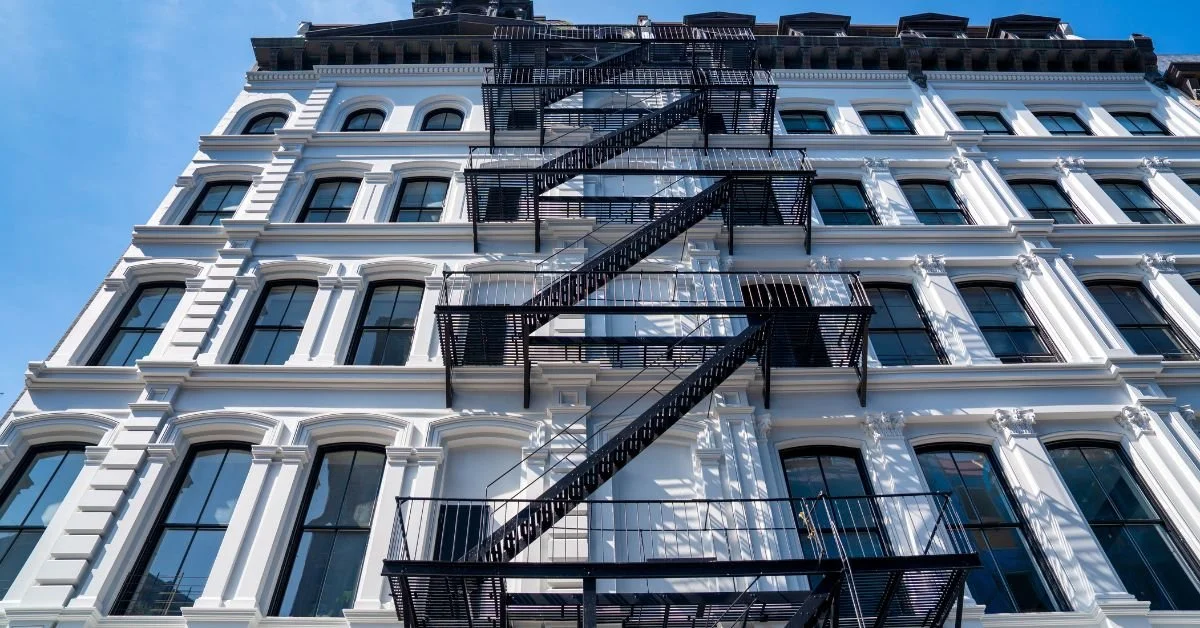
Owning rental property requires steady upkeep and clear budgeting. Fire escapes require special attention because they serve as emergency exits and are subject to mandatory inspection requirements.
Many owners/landlords ask what the owner/landlord should know about fire escape repair costs before approving work or responding to a violation notice. Repair costs depend on structural condition, inspection findings, and the scope of welding required. Fire escape repair costs vary by property. Contractors set pricing based on structural condition, accessibility, and the level of reinforcement required. When landlords understand these factors, they make maintenance decisions with greater confidence and reduce unexpected expenses.
Keep reading to learn the key factors that influence repair costs and the information landlords should review before scheduling an inspection.
Why Fire Escape Repairs Deserve Ongoing Attention
Fire escapes support tenant safety and building compliance. Because of their role, municipalities are required to obtain routine certification under the International Fire Code. When inspectors identify deterioration, they issue violations requiring correction within a specified timeframe.
Minor corrosion may seem manageable at first glance. However, if it is not addressed, rust spreads and weakens steel. Early action keeps repair work contained and makes scheduling easier.
Understanding the Five-Year Inspection Requirement
The International Fire Code requires examination and certification every five years. Inspectors review stair treads, platforms, stringers, anchorage points, and load-bearing connections. If they identify deficiencies, landlords must complete the necessary repairs before certification can proceed.
Inspection fees are generally predictable – especially with a company like Maximum Fire Escapes, which does not charge for inspections. Repair costs, however, depend on what the inspector uncovers. For that reason, landlords should budget for both inspections and potential repairs and welding work when planning annual budgets.
What Drives Fire Escape Repair Costs?
Repair pricing depends on structural condition and job complexity. Contractors assess visible deterioration, structural connections, and building layout before outlining labor and material needs.
Several elements that may influence the final estimate:
Level of rust and metal wear
Stability of stair supports and stringers
Condition of wall anchors
Accessibility around the building
Need for custom-fabricated steel sections
Permit coordination and documentation
Each factor affects labor time and fabrication requirements. As deterioration expands, restoration demands more intensive welding and/or repairs.
Surface Rust Versus Structural Repairs
Surface rust signals early wear. Crews remove compromised metal and reinforce affected areas through professional welding. This approach restores strength while preserving most of the original structure.
Structural damage requires deeper intervention. Cracked welds, weakened supports, or failing anchors may require removal and replacement with reinforced sections. Crews fabricate steel components that match the existing framework and weld them securely into place. This level of repair increases labor time and material use. As a result, early detection plays an important role in managing overall costs.
The Role of Welding in Long-Term Stability
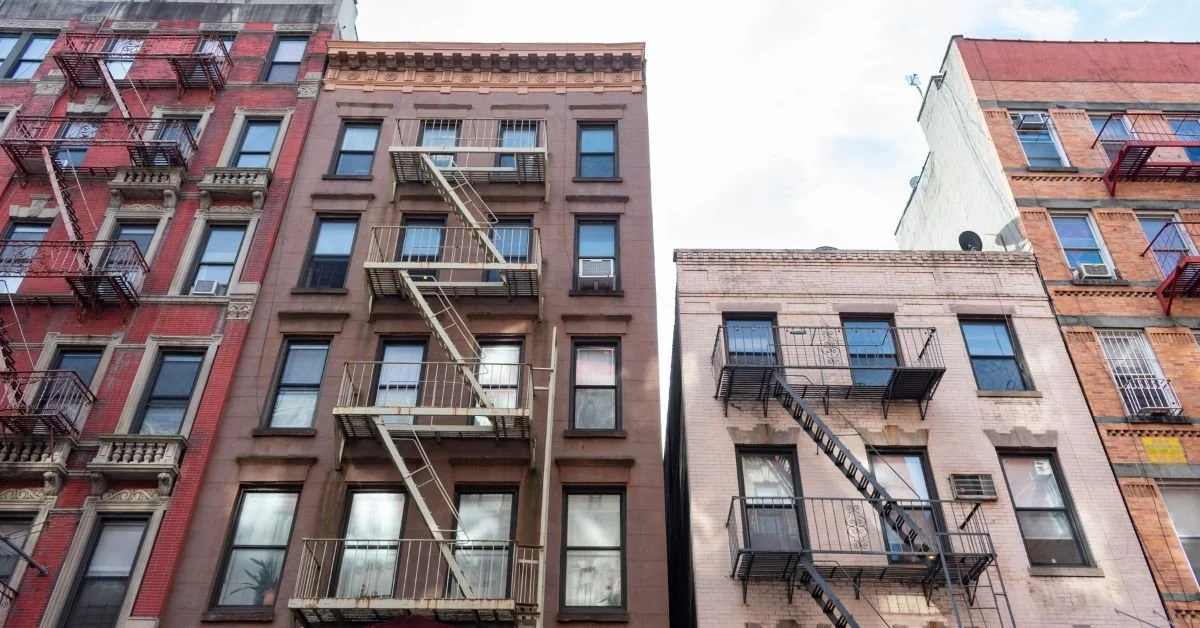
Certified welding forms the foundation of proper fire escape repair. Skilled welders rebuild structural connections and restore load-bearing capacity. Labor accounts for a large share of repair pricing because precision and compliance are critical.
Fabrication needs also influence cost. When sections require replacement, crews build custom components that align with the original design. Fabrication time and steel materials are factors in the estimate.
Strong welds support long-term durability. Careful restoration helps extend the life of aging systems.
How Violations Affect Planning and Scheduling
Building departments issue violations when fire escapes fail to meet inspection standards. These notices include specific deadlines that landlords are legally required to meet to ensure compliance with safety regulations. Unresolved violations can lead to serious complications during refinancing, insurance reviews, or property transfers, potentially delaying transactions or increasing costs.
Time-sensitive repairs may require expedited scheduling and permit coordination, which can strain labor availability and lead to scheduling conflicts. Proactive tracking of inspection timelines and timely repairs helps landlords avoid urgent work and minimize disruptions.
Staying current with certification and maintenance requirements ensures ongoing safety, regulatory compliance, and seamless property management.
Budgeting for Ongoing Fire Escape Maintenance
Many fire escapes have remained in service for decades. Steel responds to weather shifts and environmental exposure, which gradually affects structural components. Protective coatings wear down, and connections require reinforcement over time.
Landlords benefit from treating fire escape work as part of long-term capital planning. Setting aside funds annually for inspections and minor welding repairs supports smoother budgeting.
Practical planning includes:
Monitoring five-year certification dates
Reviewing prior inspection findings
Addressing visible rust promptly
Coordinating access with tenants ahead of time
Consistent attention keeps repairs manageable and organized.
Repair Versus Replacement Decisions
Some owners consider full replacement when the scope of repairs is large. Full reconstruction involves dismantling the structure and installing a new system. This process requires more labor, fabrication, and coordination.
Repair remains appropriate when the main framework stays intact. Targeted welding restores performance without the expense of rebuilding the entire structure. However, widespread anchor failure or extensive corrosion may justify replacement.
A qualified specialist evaluates the system and outlines practical next steps based on the condition.

Accessibility and Building Layout Considerations
Building configuration significantly influences labor planning. Features such as narrow side yards, interior courtyards, or limited staging areas require additional coordination. Crews might need to install safety systems or temporary access solutions before starting structural work to ensure safety and efficiency.
Occupied buildings demand meticulous scheduling. Contractors must plan for safe resident access during repairs, which may involve coordinating with tenants and minimizing disruptions. These logistical considerations directly affect labor hours, project timelines, and overall costs.
Providing clear communication about building conditions and any logistical constraints helps contractors deliver more accurate estimates and plan effectively for project execution.
Preparing Before Requesting an Estimate
Organized preparation improves the evaluation process. Landlords who gather documentation help contractors assess repair needs more efficiently.
Before scheduling a consultation:
Confirm the most recent five-year certification
Gather past inspection reports
Photograph visible deterioration
Identify access restrictions
Check for open violations
Complete information supports realistic budgeting discussions and smoother project planning.
Plan for Safer, More Predictable Repairs
When landlords understand the key factors affecting fire escape repair costs, they approach maintenance with more realistic expectations. Early welding repairs contain deterioration, support compliance, and maintain property value over time.
Maximum Fire Escapes provides nationwide inspections, welding restoration, violation correction, and fire escape painting services. Our team manages projects from certification through completion with certified expertise and direct communication. Contact Maximum Fire Escapes today to schedule your inspection and keep your fire escape system on track.