
How To Reinforce a Weak or Wobbly Fire Escape
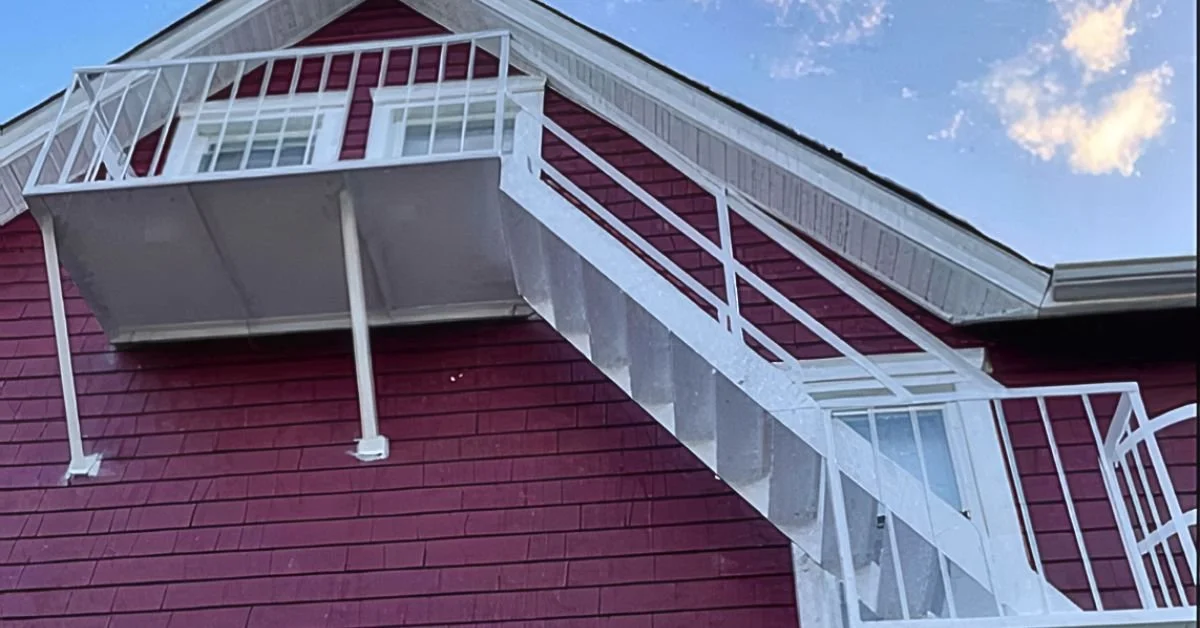
Building owners often ignore their external steel structures until a violation notice arrives. However, a shaking staircase poses an immediate hazard and indicates a severe structural failure. You need to know how to reinforce a weak or wobbly fire escape effectively. This process requires more than simple tightening; it demands structural re-engineering and professional welding to restore safety.
Most existing fire escapes date back 80 to 160 years. Time and weather degrade the original iron, causing connections to fail and supports to detach from the building. Proper reinforcement may require removing the damaged steel and installing new steel.
Let’s take a look at the steps required to stabilize a compromised egress system.
Identifying the Source of Instability
Before any repair work begins, a professional must identify the root cause of the movement. A wobbly fire escape rarely suffers from a single loose bolt. Instead, it typically stems from systemic corrosion or structural detachment.
Examining Building Connections
The points where the steel anchors into the masonry bear the most weight. Over the decades, water seeps into these connection points. This moisture causes the iron in the wall to expand due to rust (oxidative jacking), which cracks the brick or mortar.
Eventually, the anchor loses its grip, causing the entire structure to sway. Reinforcement requires re-establishing a solid bond with the main building structure.
Assessing Corrosion and Section Loss
Rust eats away at the thickness of the steel. When a support bracket loses significant mass, it flexes under load instead of remaining rigid. A visual inspection identifies these thinned areas. Professional fire escape contractors assess whether the steel retains enough integrity to support a weld or requires full replacement.
The Reinforcement Process
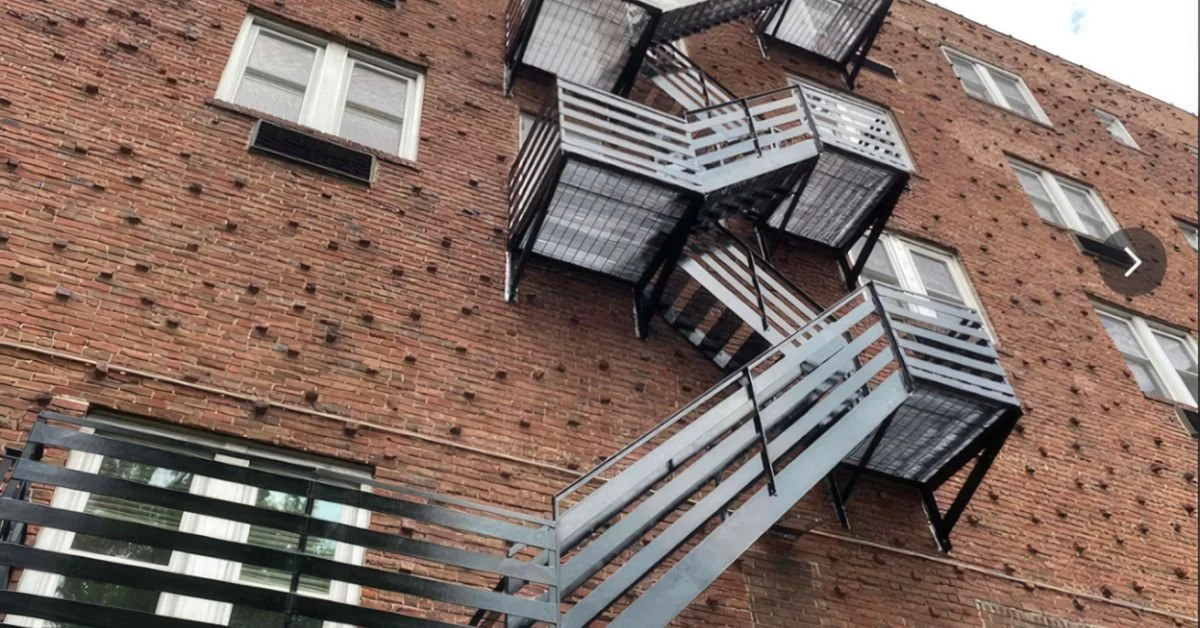
Correcting a wobbling structure involves a strict protocol. Structural integrity depends on welding and removing rot, rather than patching over problems.
1. Removing Compromised Steel
You cannot build on a rotten foundation. Reinforcement begins with cutting out the decayed sections beyond repair. Many inexperienced workers make the mistake of welding new metal over old, rusty metal. This creates a "rust sandwich" that continues to decay from the inside.
A qualified technician removes the corroded brackets, stringers, or supports entirely. This removal exposes clean, solid metal that accepts a strong weld. By eliminating weak points, the repair lasts longer and complies with structural codes.
2. Welding New Connections
Bolts loosen over time due to vibration and thermal expansion. Therefore, welding is a superior method for fire-escape reinforcement. A skilled AWS-certified welder fuses the new steel directly to the existing frame and the building supports.
Welding creates a permanent, monolithic-like structure. Unlike bolts, which can shear or back out, a proper weld holds firm against the elements. The reinforcement process relies on these fused connections to stop the swaying. The technician adds gusset plates or additional bracing angles where necessary to increase stiffness.
3. Cementing and Sealing Wall Anchors
Once the steelwork is complete, the connection to the building requires attention. The technician must cement the anchors firmly back into the masonry. This step stops the movement at the source.
However, cement alone allows water ingress. Consequently, the technician applies silicone to all structural connections. Silicone creates a flexible, waterproof seal that prevents moisture from re-entering the wall. This protects the internal iron from rusting and expanding again. Keeping water out preserves the reinforcement's stability.
4. Applying Protective Paint
Raw steel rusts may rust quickly upon exposure to air. A rigorous paint-and-scrape process protects the new welds and the existing structure. The team scrapes away loose paint and rust scales to prepare the surface.
A high-quality, rust-inhibitive paint covers the steel. This coating creates a barrier against rain, snow, and salt. Regulations typically mandate a paint job every five years to maintain the certification. This maintenance cycle keeps the metal healthy and prevents future wobbling.
Common Reinforcement Mistakes
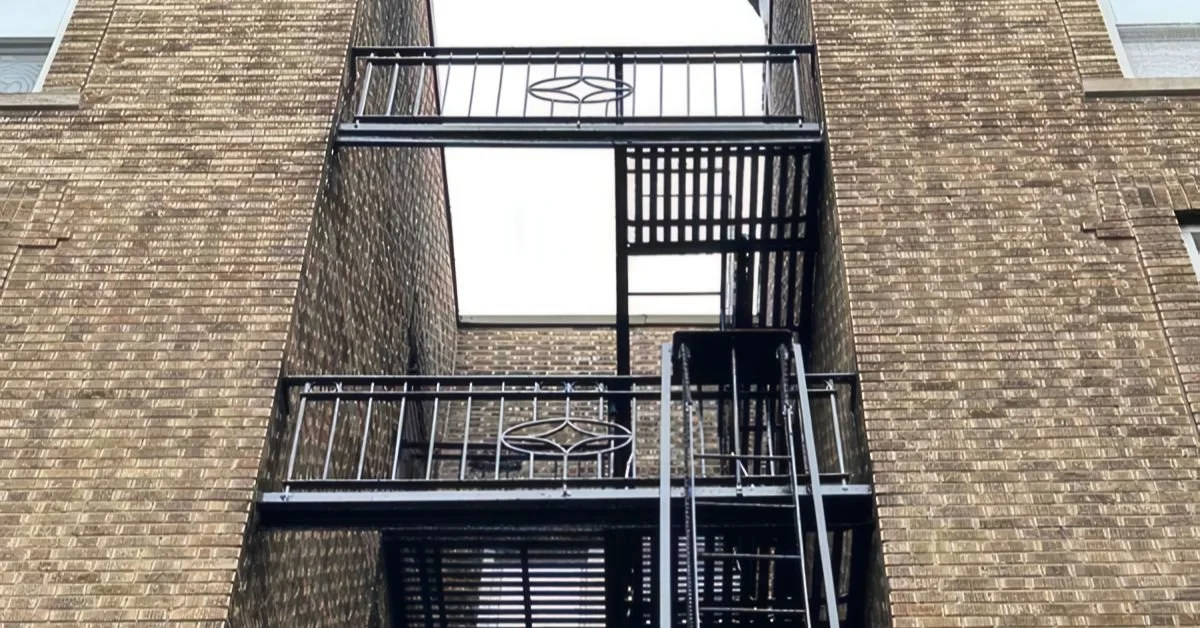
Attempting to cut corners during repairs can have dangerous consequences. Building owners should recognize improper techniques that fail to solve the problem.
Relying on Bolts
Drilling holes in old, brittle iron further weakens the structure. Bolts also create crevices where water collects, accelerating rust. Professional reinforcement prioritizes welding to maintain the steel's structural integrity.
Patching Over Rust
Sandwiching a piece of new steel over a rusty beam does not provide a sufficient structural benefit. The rust continues to grow, pushing the new piece away. True reinforcement requires the complete removal of oxidation before adding new material.
Ignoring the Load Test
A visual inspection sometimes misses internal flaws. A load test involves applying weights to the structure to simulate the load from people fleeing a fire. This test proves whether the reinforcement holds under pressure. It provides the ultimate verification of stability.
Navigating Compliance and Certification
Reinforcing a fire escape serves two purposes: safety and compliance. Local laws require these structures to pass inspection every five years.
Pre-existing Non-conforming Status
Most fire escapes do not meet modern building codes for new construction. They fall under the category of "pre-existing non-conforming." This means they must remain safe and functional in accordance with the code in effect at the time of their construction.
Reinforcement work restores the escape to its original load-bearing capacity. It does not need to meet the dimensions of a modern internal staircase. Understanding this distinction prevents unnecessary and expensive modifications.
Addressing Violations
A violation notice indicates that the city or fire marshal identified a hazard. Prompt reinforcement satisfies this requirement. Once the repairs conclude, a licensed engineer certifies the structure. This certification demonstrates to the city that the building owner has taken the necessary steps to correct the issue.
Maintaining Stability Long-Term
After the crew finishes reinforcing the structure, maintenance keeps it stable. Neglect allows the cycle of rust and loosening to return.
The Five-Year Cycle
State and local codes typically mandate a full inspection and painting every five years. Adhering to this schedule catches minor issues before they turn into major structural failures. A fresh coat of paint every five years seals the steel and prevents the atmosphere from attacking the metal.
Monitoring After Storms
Heavy winds and snow loads stress external structures. After a severe weather event, take a moment to look at the escape. Check for new cracks in the masonry around the anchors. Watch for any separation between the stairs and the wall. Early detection allows for quick, minor repairs.
Securing Your Property
A wobbly fire escape represents a ticking clock. The steel will eventually fail if left unaddressed. Structural reinforcement through professional welding and anchoring restores the system's safety.
This process protects the tenants and shields the building owner from liability. By understanding how to reinforce a weak or wobbly fire escape, you make informed decisions about your property repairs. Trusting this work to certified experts guarantees that the structure stands strong for decades to come.
Don’t wait for a structural failure. Schedule an inspection with our certified fire escape contractors to ensure safety. Maximum Fire Escapes offers thorough evaluations and durable reinforcement services to meet the highest standards. Contact Maximum Fire Escapes’ expert fire escape contractors today for a consultation.