What Causes Fire Escape Bolts To Fail and How To Fix Them
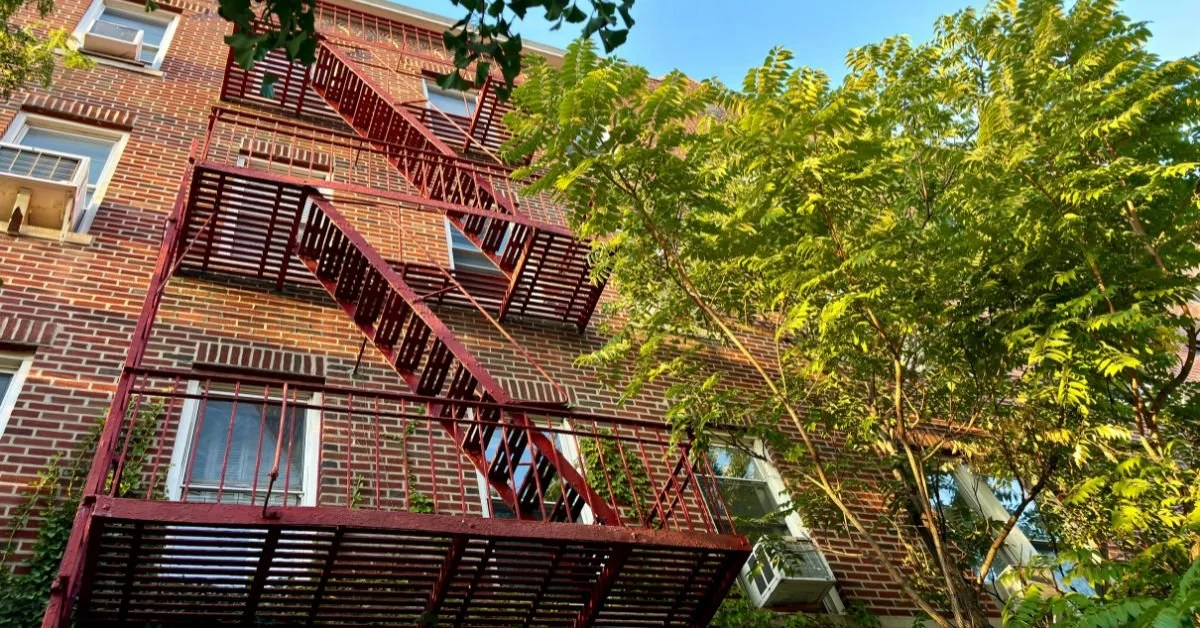
Fire escapes depend on secure connections to support weight and maintain stability over time. When bolts weaken, the structure begins to shift, creating safety concerns and increasing the risk of violations. Many property owners ask what causes fire escape bolts to fail and how to address the issue before it becomes a larger structural problem. A clear understanding of these causes helps you act early and protect your building.
At Maximum Fire Escapes, we handle inspections, repairs, and structural upgrades nationwide, using AWS-certified welders to restore aging systems with precision.
We work on fire escapes that have been in place for decades and restore them to safe working conditions using proven repair methods.
The Role Bolts Play In Fire Escape Stability
Bolts hold together critical parts of a fire escape, including stairs, platforms, railings, and brackets. These connections support weight while absorbing movement from daily use and weather exposure.
When bolts stay tight, the structure distributes weight evenly. Once they loosen or weaken, stress shifts to nearby components. That shift creates instability, which can lead to cracking, warping, or separation at key joints. A single failing connection often signals broader structural wear.
Corrosion Gradually Weakens Metal Connections
Moisture exposure remains one of the leading causes of bolt failure. Rain, humidity, and snow create constant contact with metal surfaces. When protective coatings wear down, rust begins to form and spread.
Corrosion reduces the thickness of the metal and weakens its load-bearing capacity. In many cases, the damage extends beneath the surface, which makes the bolt unreliable even if it appears intact. Older fire escapes face a higher risk due to long-term exposure, especially when maintenance has been inconsistent.
Temperature Changes Create Ongoing Stress
Metals respond to temperature changes by expanding when heated and contracting when cooled. This cycle repeats throughout the year, placing continuous stress on bolts and surrounding materials.
Over time, this movement loosens connections and creates small gaps between components. These gaps allow moisture to enter, which speeds up corrosion. In colder conditions, trapped water can freeze and force connections apart. This gradual process weakens the structure without obvious signs at first.
Excess Weight Accelerates Wear And Damage
Fire escapes serve as emergency exits, yet many property owners place additional strain on them by storing items or using them to carry heavy loads. This added load places stress on bolts and connection points.
As bolts carry more weight than intended, they begin to stretch and lose strength. Threads may deform, and connections start to shift under pressure. Repeated stress eventually leads to structural damage that affects more than just the original connection.
Installation Issues Lead To Early Failure
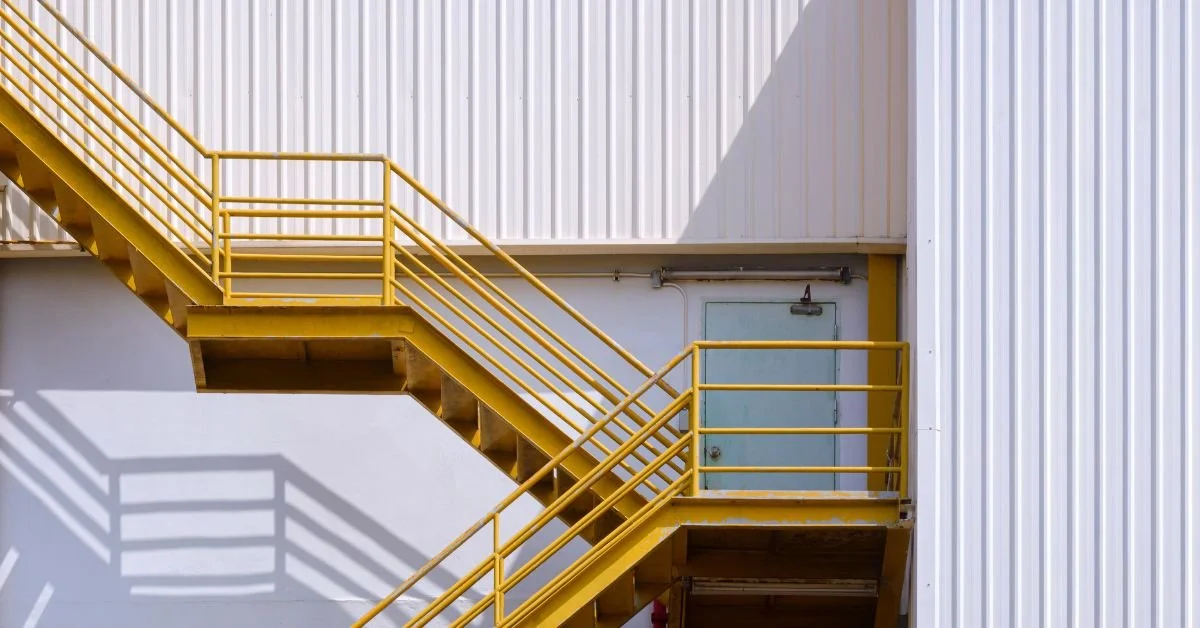
Improper installation often causes problems long before visible damage appears. Misaligned components, incorrect bolt sizing, or uneven tightening weaken the connection from the beginning.
Gaps between components allow movement during use. That movement increases wear and strains the bolts over time. What starts as a minor installation issue can develop into a serious structural concern if left unaddressed.
Bolt Failure Impacts The Entire Structure
Bolt failure rarely stays isolated to one area. When a connection weakens, surrounding components begin to absorb extra stress. This can affect brackets attached to the building, stair support, and platform framing.
As stress spreads, the structure loses its ability to distribute weight evenly. This leads to further deterioration and increases the likelihood of additional failures. Addressing only the bolt without evaluating the full system leaves the structure vulnerable.
Missed Inspections Allow Problems To Grow
Routine inspections play a major role in preventing structural damage. Without regular evaluations, early warning signs often go unnoticed.
Common early indicators include:
Rust forming around connection points
Slight movement when walking on stairs or platforms
Small cracks near joints
Loose or shifting components
Over time, these issues develop into larger problems that affect multiple areas. The IFC requires fire escape inspections and certification every five years, making regular inspections a necessary part of maintaining safety and compliance.
Violations And Liability Increase With Damage
When fire escape bolts fail, the structure may no longer meet safety standards. Inspectors look for stability, secure connections, and signs of deterioration during evaluations.
If issues arise, property owners may receive violations requiring immediate action. Liability also increases if someone is injured as a result of structural failure. Delayed repairs often lead to more extensive damage and greater responsibility for the property owner.
Why Welding Provides A More Reliable Repair
Replacing bolts may seem like a simple solution, yet it does not address the root cause of the problem. Corrosion, stress, and structural wear often extend beyond the bolt itself.
At Maximum Fire Escapes, we rely on welding to restore strength and stability. Welding creates a solid connection that removes weak points and stabilizes the structure. This method prevents movement at the joint and allows weight to distribute more evenly.
As an experienced fire escape company, we evaluate the entire system and reinforce compromised areas with methods that hold up over time.
What Happens During A Professional Inspection
A proper inspection goes beyond checking for visible damage. Our team examines the full structure to identify both current issues and areas that may fail over time.
We assess:
Structural stability across all sections
Condition of connection points and joints
Signs of corrosion or metal deterioration
Areas under stress or showing movement
This process gives you a clear understanding of what your fire escape needs and how to address them.
Factors That Influence Repair Scope
Every fire escape presents different repair needs based on age, exposure, and overall condition. Systems with widespread corrosion require more extensive work than those with isolated issues.
We evaluate accessibility, structural condition, and the extent of damage before outlining a repair plan. Addressing problems early often limits the scope of work and helps extend the structure's life.
Safe Methods For Fixing Bolt-Related Damage
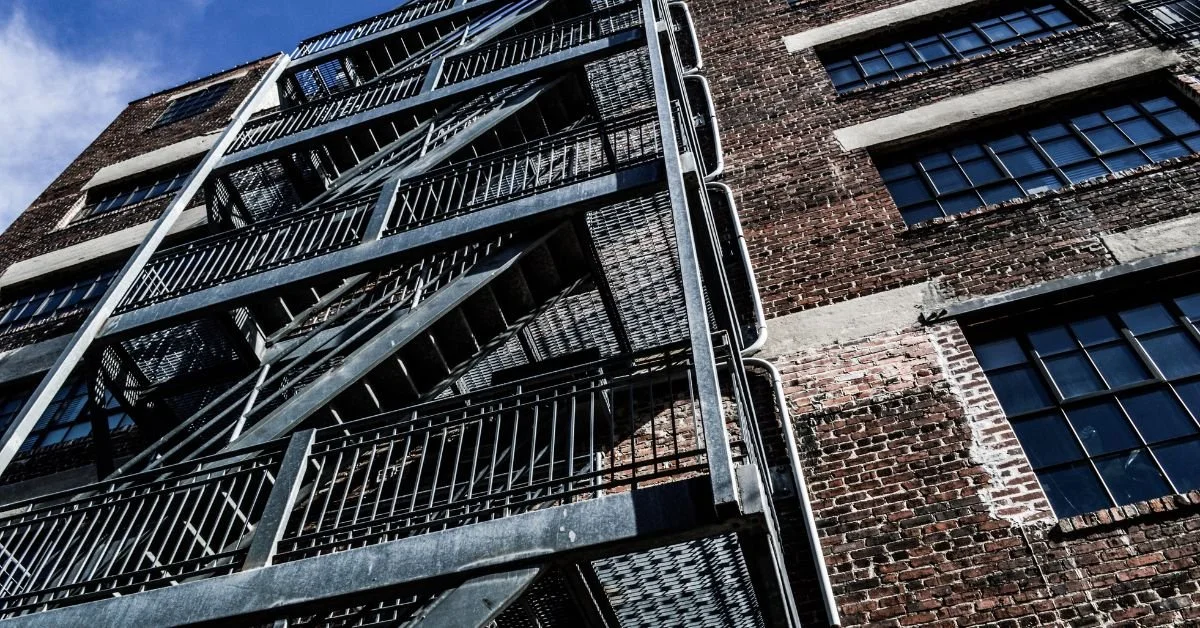
Effective repairs require a full structural approach rather than focusing on one connection point. We inspect the entire system, identify areas of weakness, and remove materials that no longer provide support.
Our team restores strength through welding and reinforces affected areas to prevent future movement. We also apply protective coatings to slow corrosion and extend the structure's lifespan.
Warning Signs That Require Immediate Attention
Fire escapes often show visible signs when connections begin to fail. Movement while walking on the structure, rust around joints, and gaps between components all point to underlying issues.
Unusual sounds such as creaking or shifting under weight also indicate instability. If you notice any of these signs, scheduling an inspection right away can help prevent more extensive structural damage.
Understanding The Causes Helps Prevent Future Damage
Property owners often seek answers about why fire escape bolts fail once problems arise. Corrosion, temperature fluctuations, excessive weight, poor installation, and missed inspections all contribute to weakened connections.
Each factor builds on the others over time. When addressed early, these issues remain manageable. When ignored, they lead to larger structural concerns that require more extensive repairs.
Schedule Repairs Before Problems Escalate
Small connection issues can develop into major structural damage when left untreated. At Maximum Fire Escapes, we handle inspections, repairs, and structural restoration across the country. Our AWS-certified welders restore stability to aging systems and resolve violations with efficient, thorough work.
Schedule an inspection today to protect your property, maintain compliance, and keep your fire escape safe and reliable.