8 Overlooked Issues Found During Fire Escape Inspections
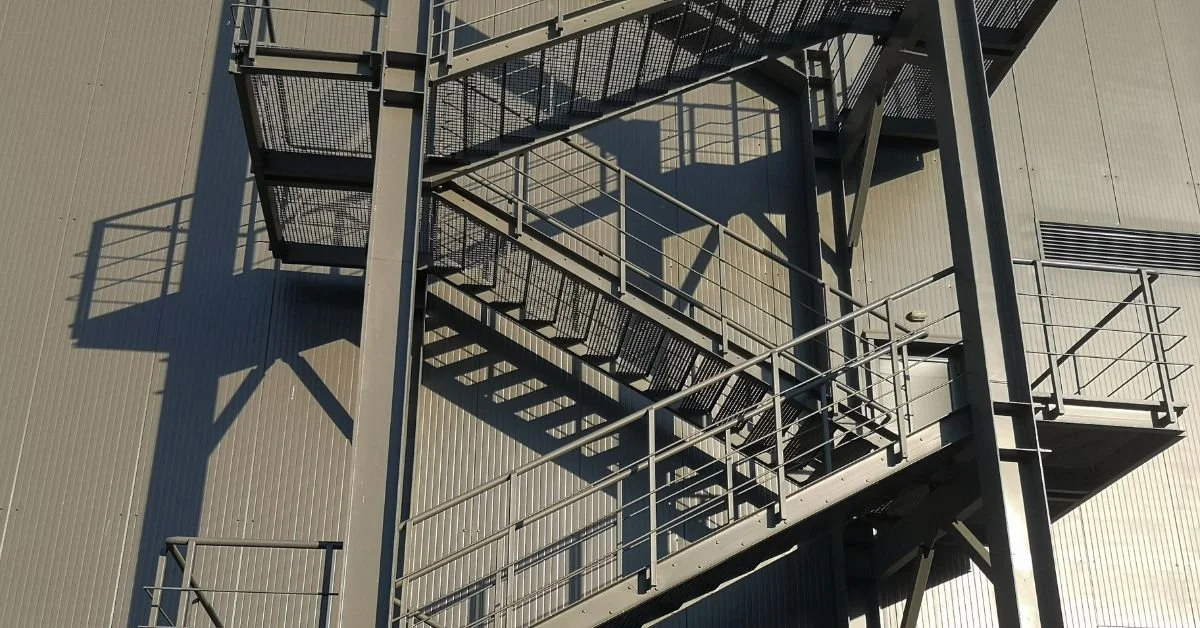
Fire escapes serve as critical emergency exits for residential and commercial buildings. Property managers and owners often schedule inspections when violations appear or when certification deadlines approach. During these evaluations, inspectors frequently uncover conditions that building owners often overlook during routine property maintenance.
Many of these concerns are overlooked issues found during fire escape inspections and can compromise structural safety if left unaddressed. Even systems that appear stable from ground level may contain structural concerns that trained inspectors can quickly identify.
Understanding what inspectors commonly discover helps property owners maintain safer structures and avoid unexpected violations.
Corrosion That Develops in Hard-To-See Areas
Corrosion ranks among the most common structural issues inspectors identify during fire escape evaluations. Many owners notice rust on visible surfaces, but inspectors often discover deeper corrosion in areas that remain hidden from daily view.
Inspectors examine connections between platforms, stair sections, and support brackets because moisture frequently collects in these areas. Rust that develops inside joints can weaken metal components even when the exterior still appears solid.
Structural corrosion may affect:
Support brackets connecting the fire escape to the building
Stair stringers and structural channels
Platform framing underneath walking surfaces
Welded seams exposed to long-term moisture
When corrosion progresses unchecked, the structural strength of the fire escape decreases. Inspectors assess whether corrosion remains at the surface or has begun to affect the structure's integrity.
Structural Welding Problems That Require Immediate Attention
Fire escapes rely heavily on welded connections to maintain structural stability. Over time, environmental stress and movement can place strain on weld points throughout the system.
Inspectors carefully evaluate weld seams between railings, platforms, stair assemblies, and support brackets. Even small weld fractures can weaken connections and increase the risk of component movement.
AWS-certified welders typically address these problems through proper structural welding repairs. When inspectors identify compromised weld points early, technicians can reinforce the structure before the issue spreads to other sections of the fire escape.
Routine inspection plays a crucial role in identifying these welding concerns before they create larger structural hazards.
Anchoring Points That Have Loosened Over Time
Every fire escape attaches directly to the building structure through a series of anchoring points. These anchors support the entire weight of the system, including occupants who may rely on the escape during an emergency.
Over decades of use and exposure, anchoring brackets may shift or weaken due to corrosion and structural stress. Inspectors check each connection point to confirm that the fire escape remains securely attached to the building.
Loose anchoring brackets often develop gradually. Property owners rarely notice these changes because the system still appears stable during casual observation.
Inspectors look for movement, corrosion around attachment points, and signs that the connection no longer distributes weight properly.
Platform Frame Deterioration
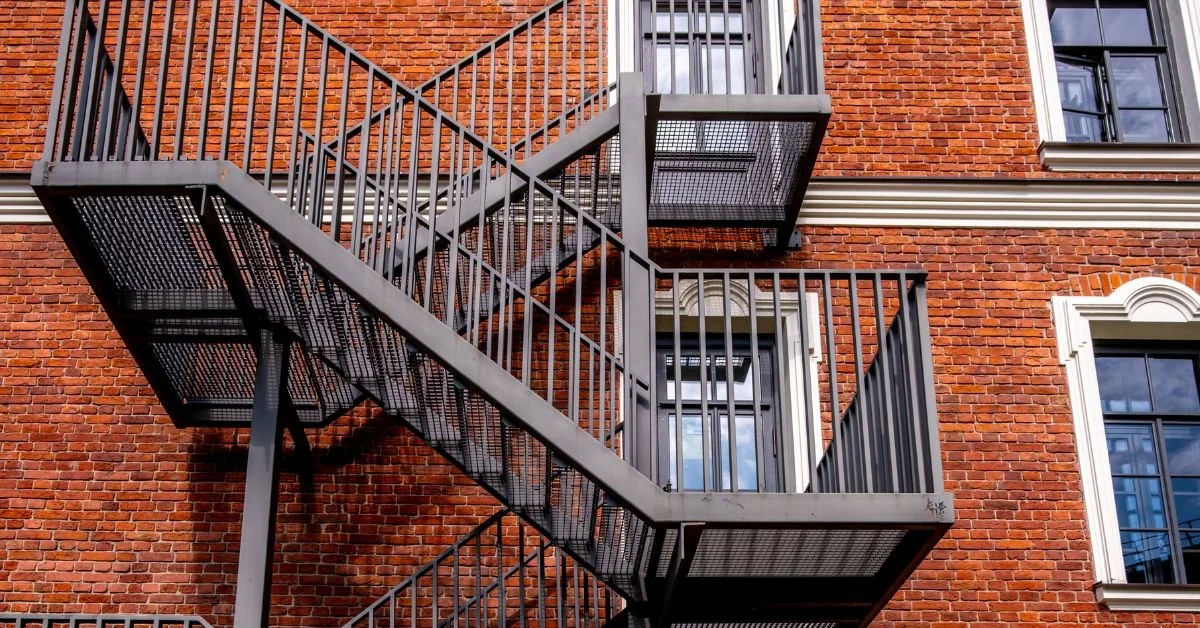
The walking surfaces of fire escape platforms are constantly exposed to weather conditions. Rainwater, snow, and debris frequently collect on these surfaces, accelerating deterioration beneath the platform's framing.
Inspectors examine the structural framing beneath each platform to determine whether corrosion has begun weakening the metal supports. Even when the walking surface appears intact, hidden deterioration may affect the supporting frame.
Platform deterioration can reduce load capacity over time. Inspectors evaluate whether reinforcement or welding repairs are necessary to restore structural reliability.
Regular inspection allows technicians to identify early deterioration before it progresses into larger structural problems.
Stair Section Damage That Affects Structural Stability
Stair assemblies are among the most heavily used components of a fire escape system. Over time, repeated use combined with weather exposure may cause structural wear along stair sections.
Inspectors evaluate stair components for signs of bending, corrosion, or weakening within the stringers that support each step. Structural damage within these areas may affect the stability of the entire stair section.
Inspectors also look closely at connections between stairs and landing platforms. When stress affects these joints, the stair assembly may shift slightly under weight.
These conditions often develop gradually and go unnoticed by property owners until an inspection is conducted.
Railing Integrity and Safety Concerns
Railings provide critical protection for occupants using the fire escape. Inspectors carefully review railing systems to confirm that they remain structurally secure and capable of supporting weight.
Railings often experience stress from everyday use, which may cause weld joints to weaken over time. Inspectors look for movement within railing connections and signs of corrosion where railings attach to stair sections or platforms.
Loose or weakened railings present clear safety concerns. Inspectors typically recommend welding repairs when structural weakness appears within these protective barriers.
Maintaining strong railing connections helps preserve the overall safety of the fire escape system.
Evidence of Long-Term Structural Neglect
Experienced inspectors can quickly identify signs that a fire escape has gone many years without proper structural attention. Layers of corrosion, compromised weld seams, and weakened connections often appear together when maintenance has been delayed.
These patterns often reveal several overlooked issues found during fire escape inspections that have developed over extended periods. While some deterioration occurs naturally with age, neglected structural components may require more significant repairs to restore safety.
Property owners sometimes assume that fire escapes require little attention as long as they appear stable. Inspection findings frequently demonstrate that hidden deterioration can develop gradually over decades.
Early identification of these problems allows technicians to address issues through targeted welding repairs before larger structural failures occur.
Why Professional Fire Escape Inspections Matter for Building Owners
Fire escape inspections play a critical role in protecting building occupants and helping property owners maintain compliance with safety requirements. The International Fire Code requires fire escape examinations and certification every five years, helping ensure that structures remain safe for emergency use.
Professional inspectors understand how to evaluate each structural component of a fire escape system. Their experience allows them to detect early corrosion, weakened welds, and structural deterioration that property owners may never notice on their own.
Early inspection findings often prevent minor structural issues from developing into major repairs. By identifying deterioration early, property owners can address problems while repair work remains manageable.
Building owners who schedule regular inspections protect both occupants and the long-term condition of their structures.
Protect Your Property With Expert Inspections
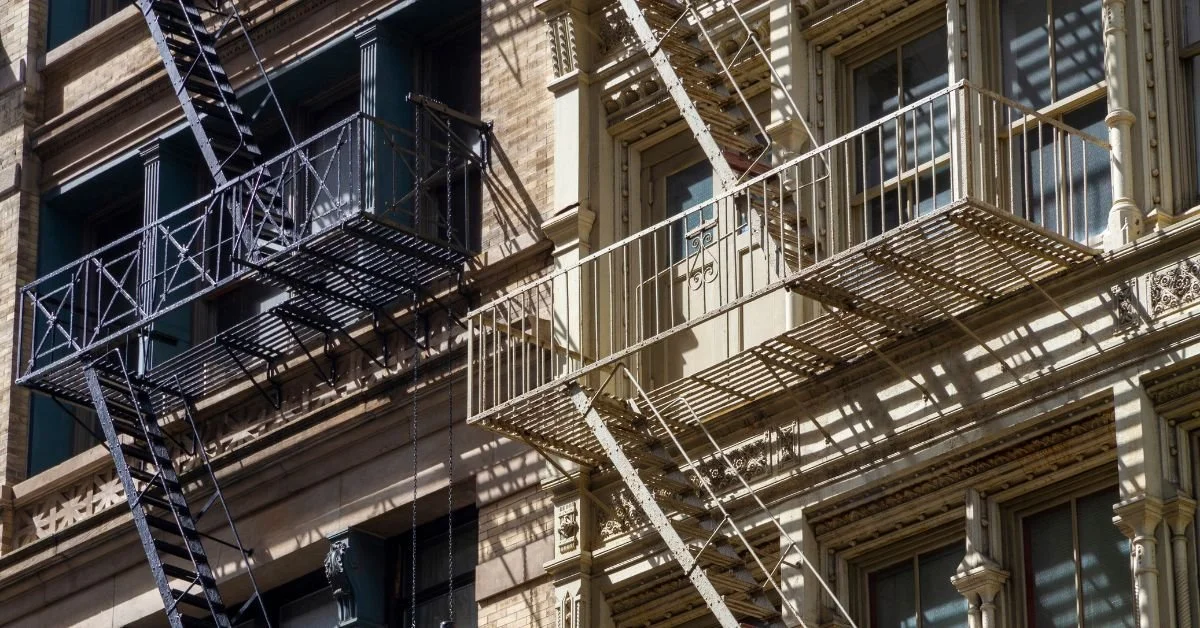
Fire escapes are among the most important safety features of any multi-story building. Structural deterioration often develops slowly and may remain hidden until a trained inspector evaluates the system closely.
Professional inspections help identify corrosion, structural weld concerns, anchoring problems, and other hidden conditions before they create serious safety risks. Regular evaluations also help property owners address violations quickly and maintain safe emergency exits for occupants.
If your building requires evaluation or certification, the experienced team at Maximum Fire Escapes provides fire escape inspection services designed to identify structural concerns and guide property owners through the repair process. Contact Maximum Fire Escapes today to schedule an inspection and ensure your fire escape system remains safe, compliant, and ready when it matters most.